
How To Tell Bronze Or Brass
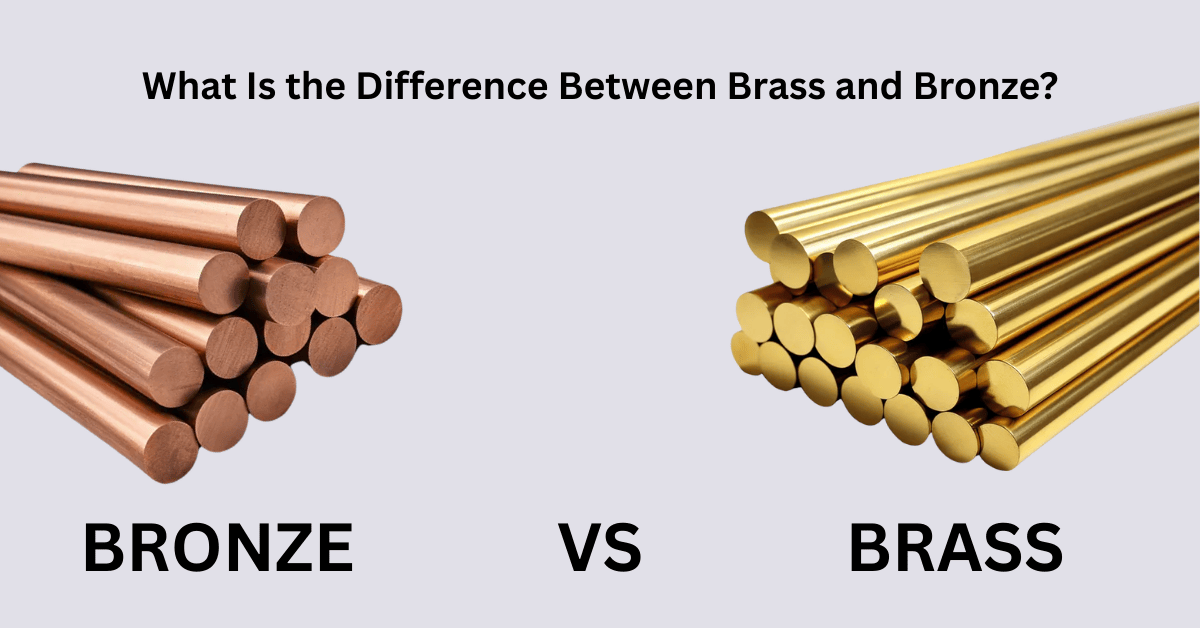
Alright, picture this: You’re rummaging through a flea market, or maybe staring at a dusty old lamp Aunt Mildred left you, and you think, “Ooh, fancy metal!” But then the inevitable question pops into your head, the one that’s haunted humanity since, well, probably the Bronze Age: Is it bronze, or is it brass?
Honestly, it’s a conundrum that can keep even the most seasoned antique enthusiast (or casual hoarder, no judgment) up at night. They look so similar, like two siblings who share a family resemblance but one definitely got more attention from the sun. But fear not, my curious compatriots! Today, we're going to solve this mystery, armed with nothing but our wits, a bit of common sense, and maybe a tiny imaginary magnifying glass. Let's dig in!
The Grand Reveal: Color!
This is often your first, best friend in the great metal identification game. Think of it like trying to tell apart two very shiny, very expensive M&Ms.
Must Read
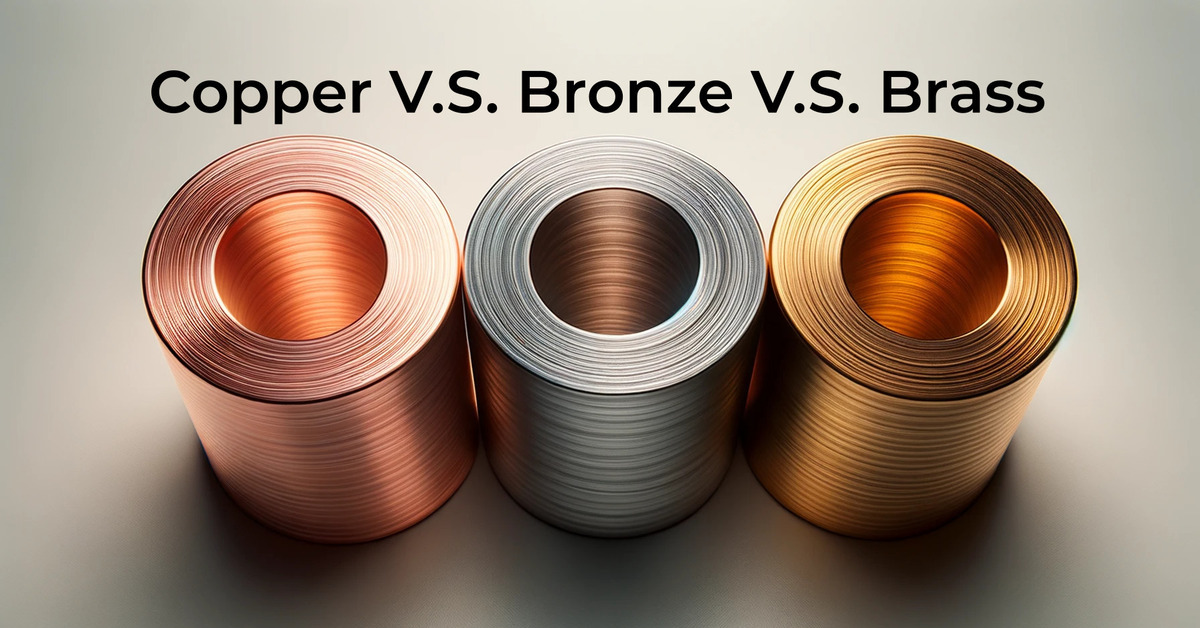
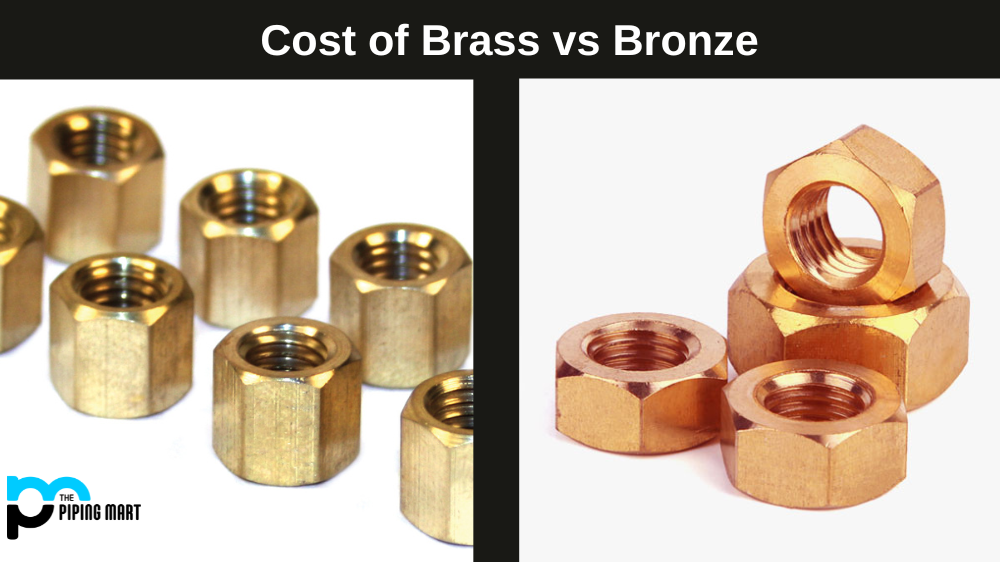
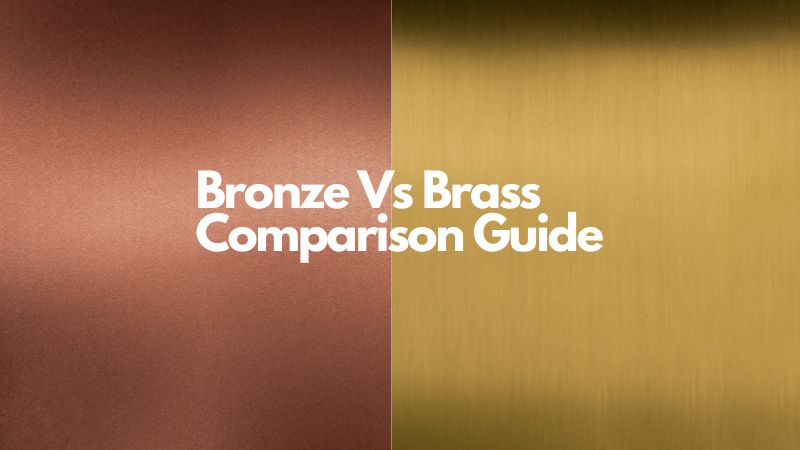
Brass, my friends, is usually that bright, cheerful, “look at me, I just won the lottery!” kind of yellow. It’s got a lovely, almost buttery, golden hue. Imagine a brand-new, shiny penny, but even more yellow and less prone to turning your fingers green. It's lively, it's vibrant, it’s basically the extrovert of the copper alloy family. If it looks like a sunbeam trying its best to be a solid bar, you’re probably looking at brass.
Bronze, on the other hand, is a bit more… mature. It’s got a deeper, richer, reddish-brown tone. Think of a well-tanned adventurer, or maybe a really good quality dark chocolate with a metallic shimmer. It’s less flashy, more understated, like the wise, older cousin who’s seen some things. If it reminds you of a perfectly roasted coffee bean (before it’s ground, obviously), then you’re likely in bronze territory. It's got more of an earthy vibe.
Surprising fact! The exact shade can vary a lot depending on the exact alloy. There are hundreds of variations, so sometimes it’s like distinguishing between "mustard yellow" and "dijon yellow" – tricky!
The Sonic Showdown: Give it a Tap!
No, seriously! If it’s appropriate and won’t get you kicked out of the antique store (always ask first, or just surreptitiously tap your own inherited trinkets at home), try giving the object a gentle tap. Like a tiny, discerning metallurgist.
A piece of brass will often give you a shorter, duller clink or a bit of a thunk. It's like dropping a car key on a hard surface. It doesn't resonate much. It's direct, to the point, and doesn't believe in lingering goodbyes.
Bronze, bless its heart, tends to have a much longer, more resonant ring. Think of a small bell, or a gong in miniature. It sings! It sustains the note, like a seasoned opera singer hitting a high C. This is because bronze is generally harder and less ductile than brass, leading to a different vibrational quality. So, if your object hums a little tune after a tap, it’s probably bronze having a moment.
Go on, try it! Tap your teacup, tap your wooden table (gently!). You’ll start to get a feel for how different materials sound. Just try not to look like you're performing an experimental jazz number in public.
The Patina Patrol: How Does it Age?
Time, dear reader, is a revealing mistress. Both metals will tarnish and develop a patina over time, but they do it with their own unique flair, like two different celebrities aging gracefully (or not so gracefully).
Brass tends to oxidize to a darker, duller brown, sometimes even a greenish-black. It's like it's trying to cosplay as a forgotten relic, but you can usually polish it back to its sunny self with a bit of elbow grease and a good metal cleaner. It’s got that “I just need a good scrub” vibe.
Bronze, however, often develops that famous, gorgeous blue-green patina, known as verdigris. Think of ancient statues you've seen in pictures – the Statue of Liberty is a prime example! That lovely green is bronze at its finest, showing off its age with dignity. It can also turn a very deep, rich brown or even black, but that distinctive blue-green is a dead giveaway. It’s not dirt, it’s character. And sometimes, it's worth more than the shiny version!
Surprising fact! This patina actually protects the metal underneath from further corrosion. So, it's not just pretty, it's practical!
The Weighty Question (and a Magnet Mystery)
Sometimes, but not always reliably, bronze can feel a tad heavier than brass of the same size. This is because bronze traditionally has a higher copper content and tin is denser than zinc. But honestly, unless you’re Popeye and can deadlift a fridge with one hand, this test is a bit subjective. Use your bicep strength for more important things, like opening pickle jars.
Now, for the magnet test! This is a bit of a trick, because generally, neither bronze nor brass is magnetic. Why bother then? Well, it’s a quick way to rule out other similar-looking metals like steel or iron (which are magnetic). So, if your magnet sticks, congratulations, you’ve got something else entirely! If it doesn't, you're still in the bronze/brass guessing game, but you've eliminated a couple of suspects. Think of it as process of elimination, like in a particularly shiny Clue game.

The Science Bit (Just a Smidge!)
At their core, both are alloys, meaning they're mixtures of metals. Brass is primarily copper and zinc. The zinc is what gives it that bright yellow punch. Bronze is primarily copper and tin (though modern bronzes can have other elements like aluminum or manganese). The tin gives it its strength and reddish hue.
It’s like baking a cake: Copper is your flour, and then zinc or tin are your secret ingredients that make all the difference! One makes a zesty lemon cake, the other a rich, dense fruitcake. Both delicious, but distinctly different.
Go Forth, Metal Detective!
So there you have it! Next time you encounter a mysterious metallic object, you won’t just stare blankly. You’ll be armed with knowledge! You’ll observe the color, give it a gentle tap (or an internal one, if you’re in a library), ponder its patina, and maybe even give it a little lift.
Remember, it's all about noticing the subtle clues. And even if you get it wrong sometimes? Who cares! You’ll still have a cool piece of metal, a fun story, and the satisfaction of knowing you’ve pondered one of life’s great, glittering questions. Now go forth and identify with confidence!