How To Take Freon Out Of A Car
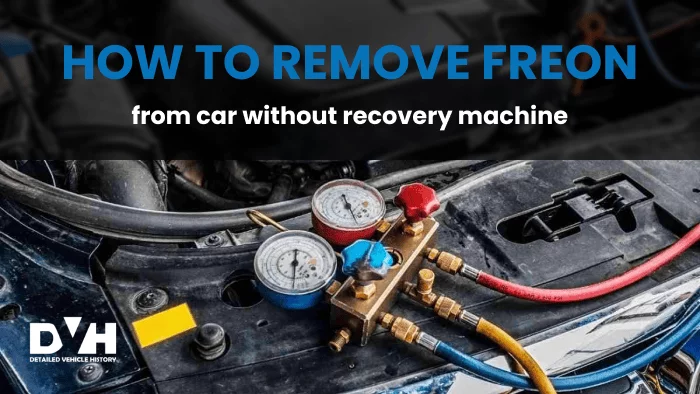
Ever wondered about that cool blast from your car's air conditioning, and what magic makes it happen? While we often just enjoy the chill, there might come a time when you need to peek behind the curtain – specifically, when it's time to deal with the car's refrigerant (often still popularly called Freon, even though modern cars use different types like R-134a). Learning how to properly recover refrigerant from your car isn't just for mechanics; it's a surprisingly empowering skill for any car owner!
So, why would you want to dive into this? Well, there are several cool reasons. For beginners, understanding your car's AC system and the steps involved in refrigerant recovery can demystify what seems like a complex process. It's a fantastic way to build your automotive knowledge from the ground up, giving you a deeper appreciation for your vehicle. For families looking to save a buck, doing this yourself can cut down on expensive repair bills. If you need to replace a faulty AC component like a compressor or condenser, you first need to safely remove the old refrigerant, and knowing how to do it yourself can be a real budget-saver. And for the avid hobbyists and DIYers, this skill is a cornerstone for more advanced projects, from engine swaps that require disconnecting AC lines, to full AC system overhauls, or even converting older systems.
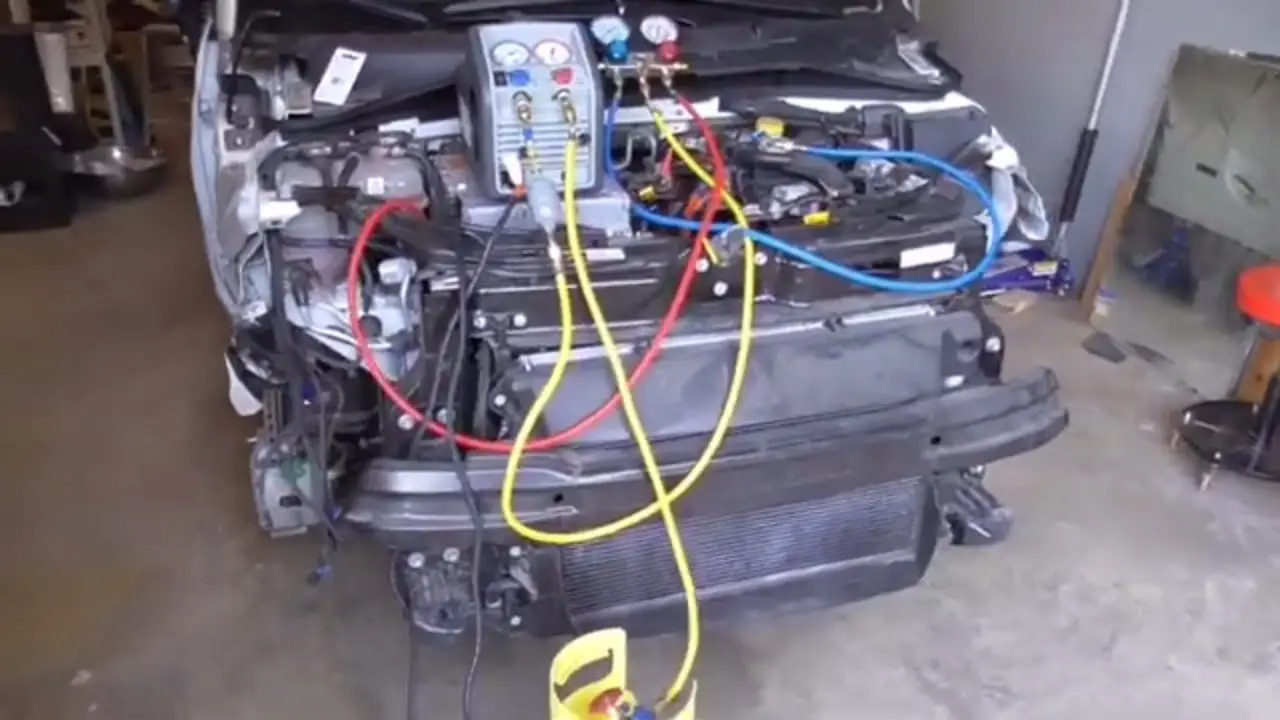
The beauty of this skill lies in its versatility. Perhaps you have an older car with a leaky AC system that needs a complete overhaul, or you're preparing a project car for a new engine and need to clear the way. Maybe you're even recycling an old vehicle and want to ensure you're being environmentally responsible. In all these scenarios, proper refrigerant recovery is the first crucial step. It's not about just "letting it out" (which is illegal and harmful to the environment!), but about safely capturing and storing it for recycling. This often involves using a dedicated refrigerant recovery machine – yes, they exist even for the DIY enthusiast! Think of it like a specialized vacuum cleaner for your car's AC system.
Must Read
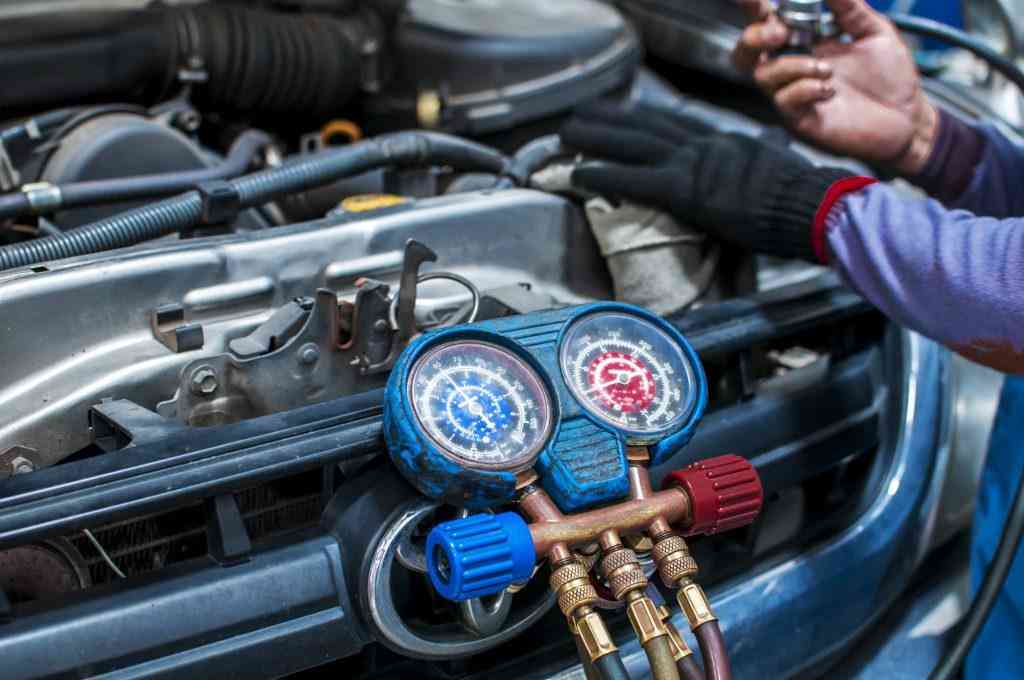
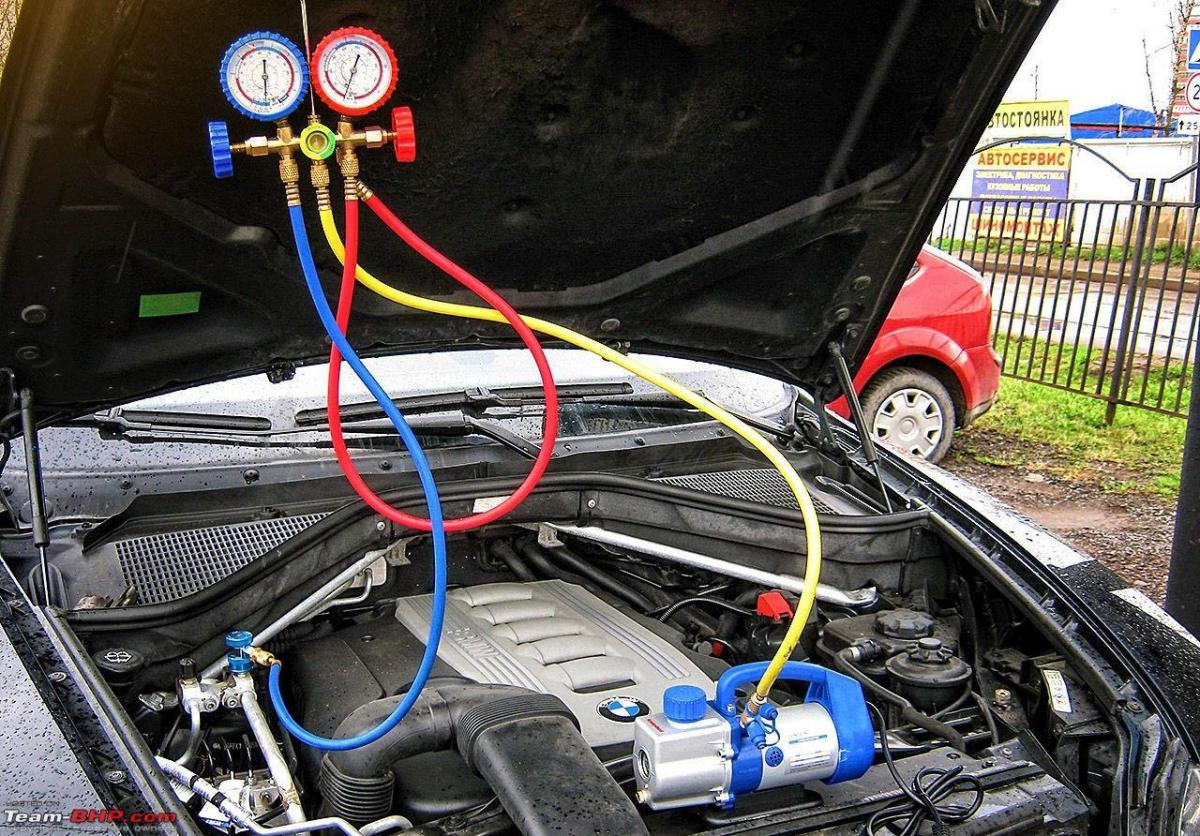
Ready to dip your toes in? Here are some simple, practical tips to get you started on your refrigerant recovery journey. First and foremost, safety is paramount. Always wear safety glasses and gloves to protect yourself from refrigerant exposure. Second, understand that this isn't a "screwdriver and wrench" job; it requires specific tools. You'll need a manifold gauge set and, crucially, a refrigerant recovery machine. These machines, often available for rent or purchase in more compact DIY versions, are designed to safely extract the refrigerant from your car's system into a containment tank. Always read the instructions for both your car and your recovery machine thoroughly. Start with some research online, watch a few reputable video tutorials, and perhaps even talk to a local auto parts store about renting equipment. Remember, the goal is always responsible recovery – protecting yourself and our planet.
At the end of the day, tackling a task like refrigerant recovery gives you a huge sense of accomplishment. It's not just about saving money; it's about gaining confidence, expanding your skills, and taking a more active, responsible role in maintaining your vehicle. So, go ahead, embrace the journey, and enjoy the satisfaction of knowing you've mastered another cool car trick!