
How To Store Meat In The Freezer
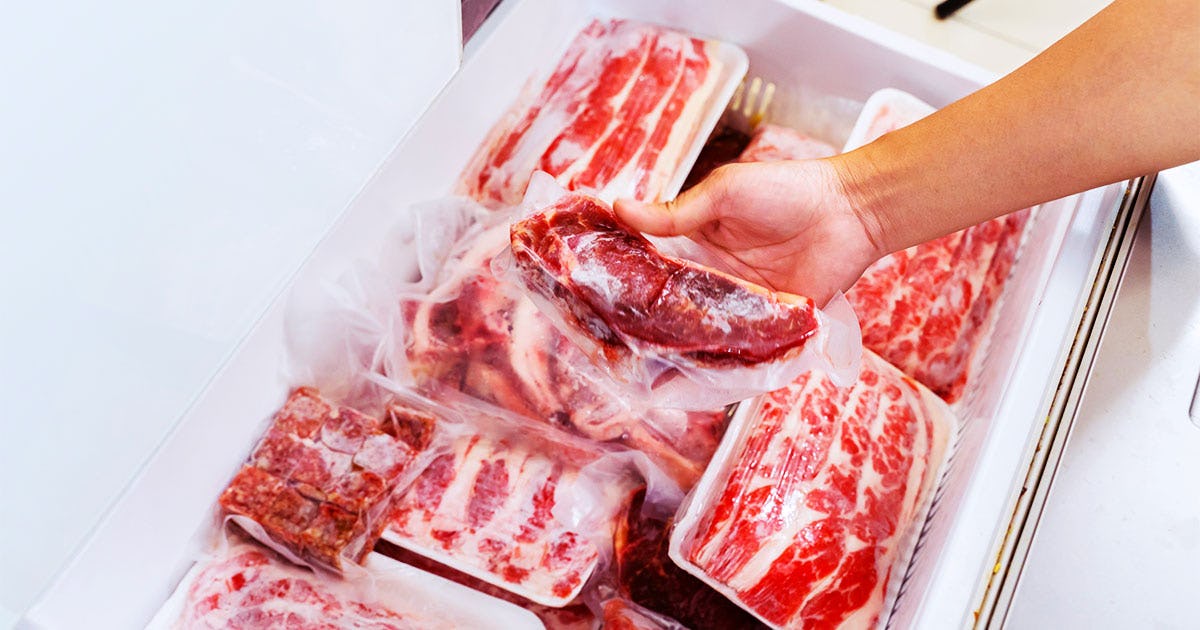
Ever found a mysterious, icy block in the back of your freezer, wondering if it’s an ancient artifact or last month’s chicken? You’re not alone! Our freezers are often unsung heroes, silent guardians of future meals and savvy budget choices. But like any superhero, they work best when given a little guidance. Let's talk about how to store meat like a pro, keeping it delicious and freezer-burn-free, turning your chilly cabinet into a treasure chest, not a graveyard.
Think of your freezer as a time capsule for flavor. When done right, freezing can halt the clock on spoilage, preserving taste, texture, and nutrients. It’s an act of culinary foresight, saving you last-minute grocery runs and helping you make the most of those bulk buys or spontaneous sales. Plus, reducing food waste is a win for your wallet and the planet!
Prep Is Your Secret Weapon
Before any meat even thinks about entering the frosty depths, a little preparation goes a long way. This is where you become the master of its destiny.
Must Read
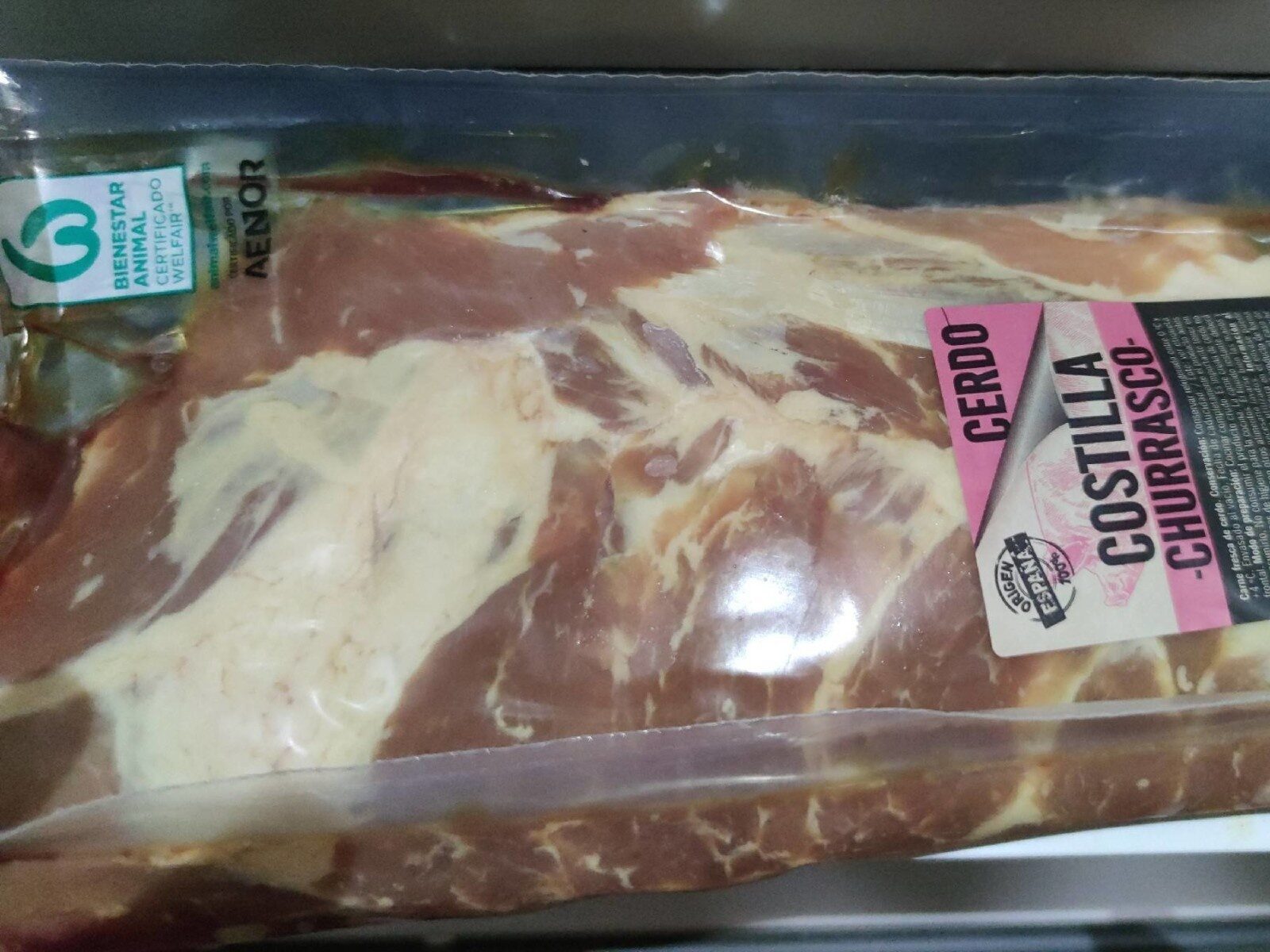
First, consider its original packaging. Many supermarket trays and plastic wraps are designed for short-term display, not long-term freezing. They’re often too thin and allow air to sneak in, which is the arch-nemesis of frozen food: freezer burn. This isn't just a funny name; it's a real issue where moisture is drawn out, leaving dry, discolored, and flavorless patches.
Next, think about portion control. Unless you’re feeding a small army every night, freezing a giant slab of steak or a whole chicken might not be practical. Divide larger cuts into meal-sized portions. This not only makes thawing easier but also prevents you from refreezing thawed meat, which can compromise quality and safety. Imagine the joy of grabbing just enough ground beef for tacos without chipping away at a glacial mass!
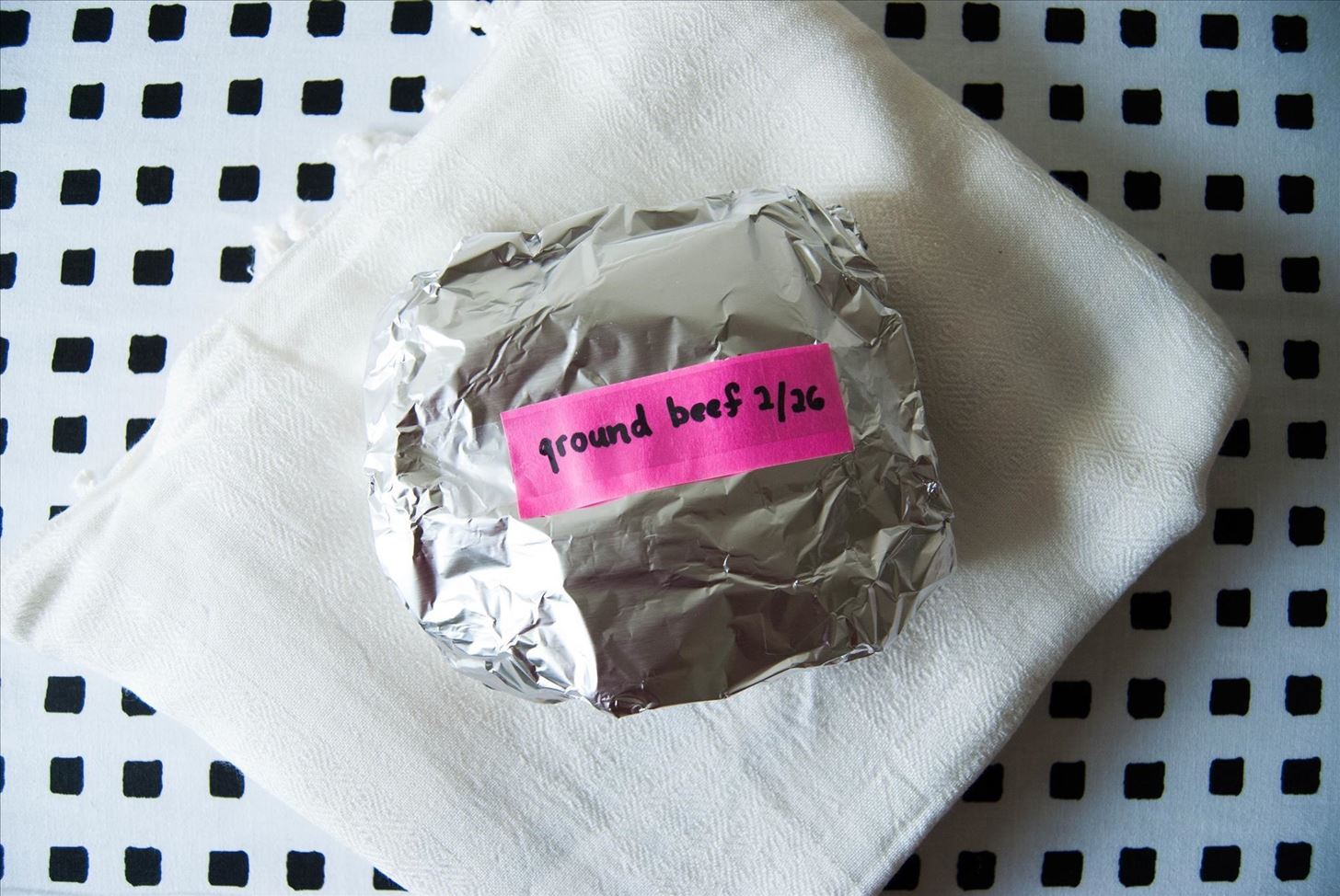
And speaking of joy, let's talk about the unsung hero: labeling. Grab a permanent marker and some freezer tape or labels. Write down what it is (e.g., "chicken breast," "pork chops," "ground beef") and, crucially, the date it was frozen. This simple step will save you from countless "mystery meat" defrosta-fias down the line. Trust us, your future self will thank you.
The Art of Wrapping: Keeping Air Out
This is where the real magic happens. The goal is to create an airtight seal around your meat. Air is the enemy, remember?
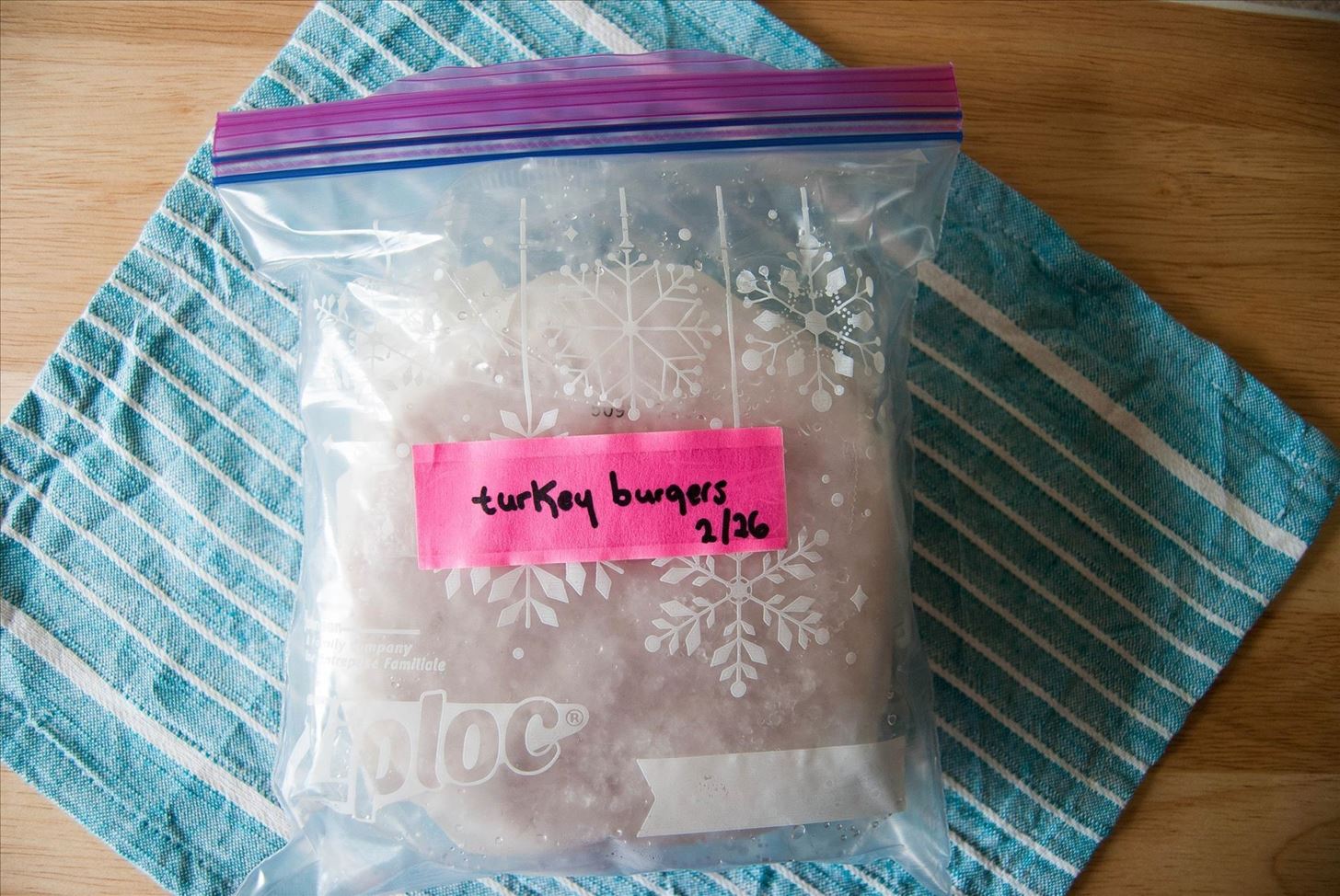
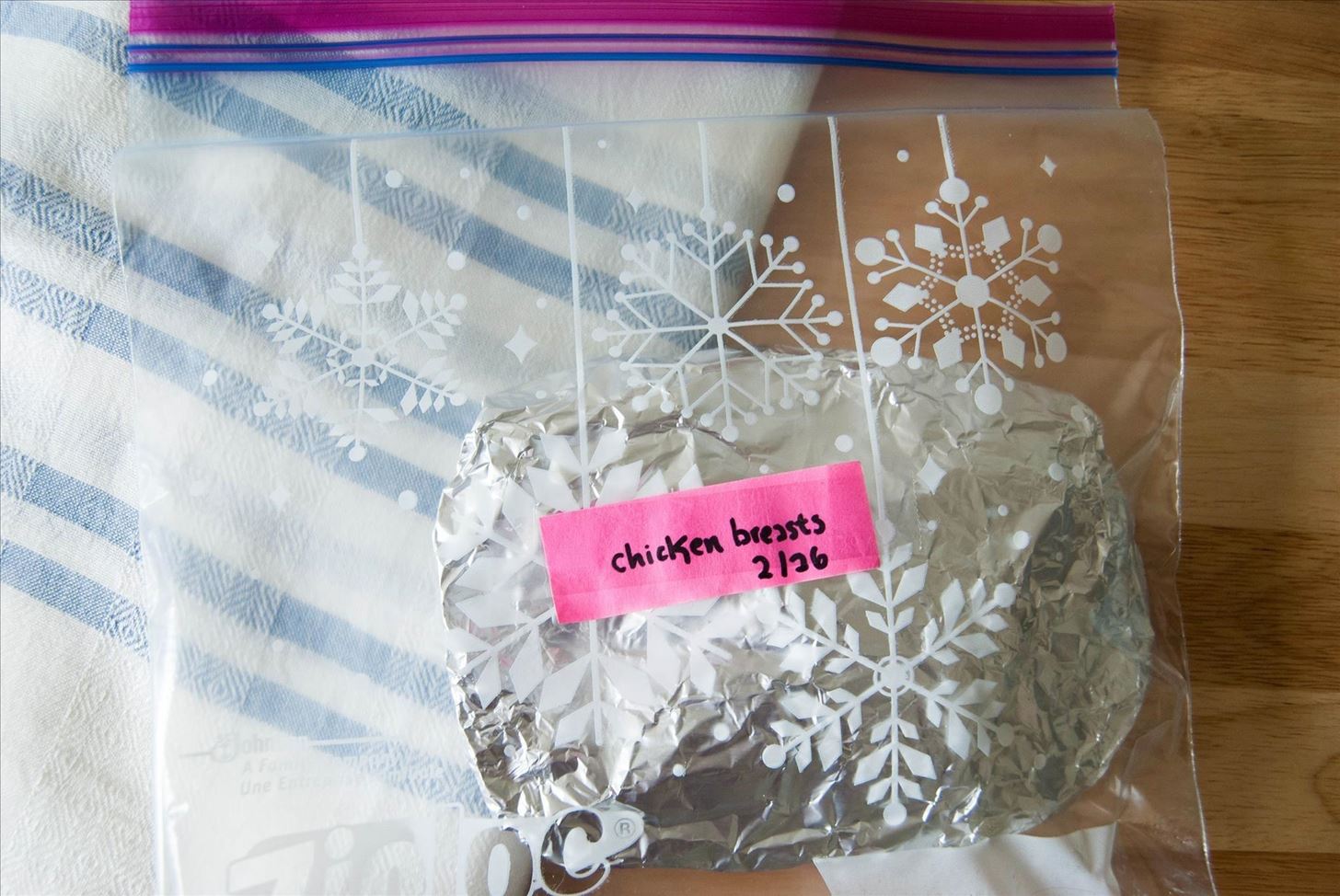
One of the best methods involves a multi-layer approach. Start by wrapping your portioned meat tightly in heavy-duty plastic wrap. Squeeze out as much air as possible. Then, for an extra layer of protection, wrap it again in aluminum foil. The foil adds another barrier against air and helps prevent light from affecting the meat.
For even better results, after the plastic and foil, place your wrapped meat into a freezer bag. Before sealing, squeeze out any remaining air. You can even use a straw to suck out the last bits of air before zipping it up. For those serious about freezing, a vacuum sealer is the gold standard, removing virtually all air and extending shelf life significantly. It’s a bit of an investment, but oh-so-worth-it for avid freezer-packers.
Fun Fact: Did you know that people have been preserving food with ice for millennia? Ancient civilizations like the Romans and Chinese used ice houses to store food. And in colder climates, indigenous peoples have long relied on natural ice and permafrost to keep meat through harsh winters. Our modern freezers are just a high-tech evolution of this age-old wisdom!
A Quick Guide to Freezer Shelf Life
While freezing essentially stops microbial growth, the quality of meat can still degrade over time due to slow enzymatic activity or fat oxidation. Here’s a general guideline for how long different meats typically maintain their best quality in a deep freeze:
- Ground Meats: 3-4 months
- Steaks, Roasts, Chops: 6-12 months
- Poultry (whole): 12 months
- Poultry (parts): 9 months
- Cooked Meats: 2-3 months
These are guidelines for quality. Meat frozen continuously at 0°F (-18°C) or below will remain safe indefinitely, but its taste and texture may suffer after these recommended times.
Don't Forget the Thaw!
Proper thawing is just as important as proper freezing. The safest methods are:
- In the refrigerator: This is the slowest but safest method. Plan ahead! A pound of ground meat can take a full day.
- In cold water: Place the sealed package of meat in a bowl of cold water, changing the water every 30 minutes. Cook immediately after thawing.
- In the microwave: Use the defrost setting and cook immediately after thawing, as some areas may begin to cook during the process.
Never thaw meat on the counter at room temperature, as this can allow harmful bacteria to multiply rapidly.
Your Freezer, Your Culinary Playground
Mastering the art of freezing meat isn't just about avoiding freezer burn; it's about empowerment. It’s about having a well-stocked pantry of protein, ready to transform into a delicious meal at a moment’s notice. It’s about reducing waste, saving money, and enjoying the peace of mind that comes from knowing you’re prepared. So, go forth and freeze with confidence! Your future meals (and your taste buds) will thank you.