How To Stop The Chirping Of A Smoke Detector

Ah, the dreaded smoke detector chirp! It’s a sound that can strike fear, or more often, intense annoyance, into the heart of any homeowner. You know the one – that insistent, lonely little “beep” that seems to emanate from everywhere and nowhere at once. It’s the soundtrack to late-night frustration, the mystery that keeps you guessing, and frankly, a common household headache. But here’s the fun part: silencing that pesky little warbler is one of life’s most satisfying small victories! It’s like solving a mini-mystery in your own home, and the reward? Blissful peace and quiet.
Beyond the immediate relief, understanding and addressing that chirp is incredibly important. Your smoke detector isn't just trying to annoy you; it's communicating! It’s a tiny guardian sending a signal that it needs attention, and a properly functioning smoke detector is absolutely critical for your family's safety. Ignoring the chirp, or worse, disabling the detector, leaves you vulnerable to fire hazards. So, let's learn how to stop the chirping not just for your sanity, but for your safety!
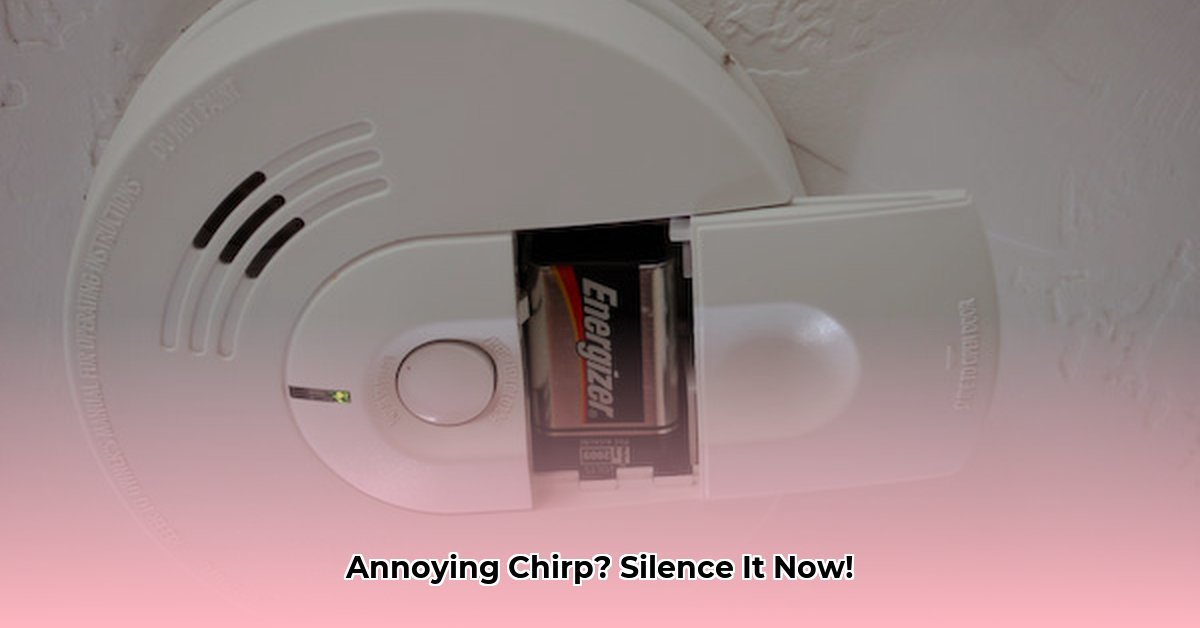
Most chirps boil down to a few common culprits. The overwhelming champion of irritation is the low battery warning. This is a single chirp every 30 to 60 seconds. When you hear this, it's a clear signal: your detector is running on fumes and needs a power boost! The fix is straightforward: replace the batteries. Make sure you use the correct type (typically 9V, AA, or AAA, depending on your unit) and replace all of them, even if you think only one is dead. Don't forget to close the battery compartment securely!
Must Read
Another common reason for the chirping chorus is that your detector has reached its end-of-life. Smoke detectors aren't forever devices; they have a lifespan, typically around 10 years. After a decade, their sensors become less reliable. Check the back of your unit for a manufacturing or expiry date. If it's past its prime, no amount of battery changing will fix it. It's time to say goodbye and replace the entire unit with a new one. Think of it as a well-deserved retirement for your diligent little protector.
Sometimes, a chirp can be a false alarm caused by environmental factors. A little speck of dust, a tiny bug, or even high humidity can occasionally trick the sensor. If you suspect this, gently clean your detector. You can use a vacuum cleaner with a soft brush attachment or compressed air to clear out any potential obstructions from the vents. Just be gentle, you don't want to damage the sensitive components inside.

Finally, if you've changed the batteries and it’s still chirping, or you’re unsure which detector is the culprit (especially in homes with interconnected systems), try a reset. Carefully remove the detector from its mounting bracket, take out the batteries, and then hold down the "test" button for about 15-20 seconds. This drains any residual power. Reinsert the fresh batteries, reattach the detector, and give it a moment. Often, this simple reset is all it needs to quiet down.
Conquering the chirp brings not just silence but also peace of mind. By quickly addressing these common issues, you ensure your home's smoke detectors are always vigilant and ready to protect you. So next time you hear that tell-tale peep, you'll be armed with the knowledge to silence it like a pro and reclaim your home’s quiet sanctuary!