
How To Stop A Hardwired Smoke Detector From Beeping

Okay, so picture this: you're just chilling, maybe binging your favorite show, or finally unwinding after a long day. And then... BEEP!
That familiar, soul-drilling sound slices through the peace. You know the one. The smoke detector. But wait, it's not the battery-operated kind. Oh no, you've got the hardwired beast, the one supposedly immune to low-battery wails. Right?
Wrong. So, so wrong. And now it's chirping, or worse, full-on shrieking, and you're contemplating whether a small, controlled fire might actually be less annoying. (Just kidding! Mostly.)
Must Read
Don't panic! Grab a coffee, maybe a biscuit, and let's chat through this headache. It's usually not as dire as it sounds, even if it feels like your house is actively trying to annoy you into submission.
First things first: The Battery! (Yes, even the hardwired ones.)
"But it's hardwired!" you protest. "It gets power from the house!" And you're absolutely right. But here's the kicker: nearly all hardwired smoke detectors also have a backup battery. Why? Because if the power goes out, you still want fire protection, right?
And guess what battery is often the culprit for those annoying beeps? Yep, the backup one. It's like your phone: plugged in, but if the internal battery is dying, it throws a fit. So, your first mission, should you choose to accept it (and you should, because sleep is good): change the battery.
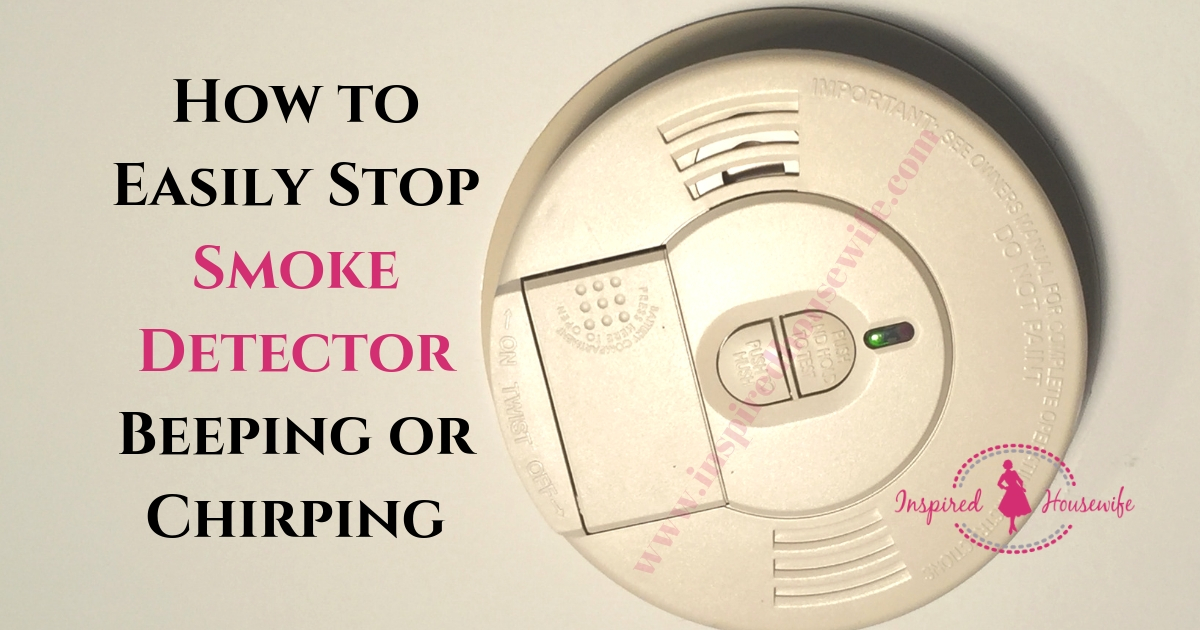
Usually, it's a 9-volt battery. Twist the detector off its mount (a quarter turn often does it), pop out the old one, and put in a fresh, new one. Make sure it’s seated correctly! You might even get a celebratory "BEEP!" after, just to let you know it's alive and well. Or, more likely, silence. Sweet, sweet silence.
Pro tip: If you have multiple interconnected detectors, and one is chirping, they might all be linked. Change all the batteries in all the units. Seriously. One bad apple can spoil the whole quiet bunch.
The Grand Reset: Turning It Off and On Again (The classic move)
Sometimes, these things just need a good old reboot. Think of it like your computer freezing up. A quick power cycle can work wonders. But for a hardwired smoke detector, it's a bit more involved than just flicking a switch.
Here’s the drill:
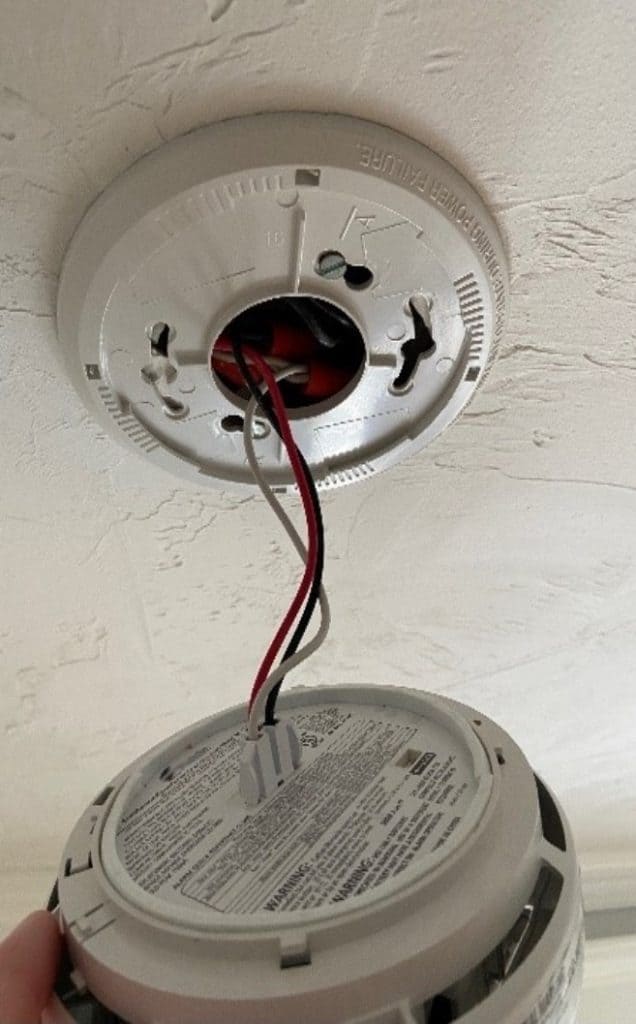
- Turn off the power to the smoke detector circuit at your electrical panel. This is super important. Don't just pull the thing off the ceiling with live wires!
- Once the power is off (and maybe you've triple-checked, because safety first!), disconnect the detector from its wiring harness.
- Remove the backup battery (if you haven't already from step one).
- Wait for a minute or two. This lets any residual charge drain away. Think of it as a smoke detector timeout.
- Reconnect the wiring harness, put the new backup battery in (if you haven't already), and twist the detector back onto its mount.
- Finally, turn the power back on at the electrical panel.
Hopefully, this resets its little electronic brain, and it stops complaining. If it beeps once, that's usually it doing a self-test. If it keeps on chirping... well, we've got more tricks up our sleeve.
Dust Bunnies and Creepy Crawlies: The Sensor Cleanup
These detectors are designed to be sensitive. Really sensitive. So sensitive that sometimes a tiny dust bunny, a rogue spider, or even just some accumulated grime can trigger them. It thinks it smells smoke when it’s actually just... well, dust.
Carefully take the detector down (again, power off if you're nervous about disconnecting it fully). Get a can of compressed air (the kind you use for keyboards, not just blowing on it with your mouth). Gently blast air into the vents and sensor chamber. Don't use a vacuum or brush, as that can damage delicate components. Just a quick puff-puff to dislodge any unwelcome guests.
Reassemble, reconnect, and restore power. Does it work? Fingers crossed!
The Elephant in the Room: Expiration Dates
Yep, smoke detectors don't live forever. They have a lifespan, usually around 10 years. After a decade, their sensors can become less reliable, or just plain start to malfunction. It's like us after a long day; they just get tired.
Flip your detector over. There should be a manufacturing date (or an expiration date) printed on the back. If your detector is pushing 10 years or beyond, it's time for a replacement. No amount of battery changes or resets will fix an expired unit. It's literally telling you, "My time has come!"
The Interconnected Mystery: One for All, and All for One
Remember how I said interconnected detectors are a group chat gone wrong? If one detector in a series goes bad, or has a low battery, or is just generally moody, it can sometimes trigger the entire system to chirp or go off, even if that specific unit is fine.
This is where it gets tricky. You might have to systematically go through each and every detector in your house, checking its battery, cleaning it, and checking its age. If you've tried everything on one unit and it keeps chirping, try completely disconnecting it from the system (after powering down the circuit, of course). If the rest of the house falls silent, you've found your culprit! It’s the hero no one asked for.
A Final Word (and a sigh of relief)
Dealing with a beeping hardwired smoke detector is genuinely annoying. It’s like a tiny, repetitive torture device. But usually, with a bit of patience and systematic troubleshooting, you can figure out the problem and restore peace to your home.
If all else fails, and you're still hearing that infernal sound, it might be time to call in a pro. Sometimes, wiring issues or more complex electrical problems are at play, and that's definitely not a DIY coffee-break project. But for most situations, one of these steps should silence the beast.
Now, go forth and conquer that beep! You’ve earned that quiet moment, and probably another coffee.