
How To Stay Warm With Gas Stove

Hey there, chilly friend! You know that feeling, right? Winter's knocking, the thermostat's doing its best impression of a grumpy old man, and your toes are starting to resemble little ice cubes. We all crave that delightful warmth, that cozy hug from our home, especially when the world outside is doing its best impression of an arctic tundra.
Now, while your furnace is usually the MVP of warmth, there's another unsung hero in many of our kitchens that can lend a helping hand. Yep, we're talking about your gas stove. "My stove?" you ask, probably picturing a pot of simmering chili. And you're not wrong! But it can do so much more than just cook up a storm; it can also add a lovely, gentle warmth to your living space. And frankly, knowing a few tricks can be a real game-changer for your comfort and even your wallet!
Why Bother Warming Up with Your Gas Stove?
Let's be real for a sec. Why should you even care about this? Well, picture this: the mercury drops, the wind howls, and your heating bill starts to look like a phone number. Or maybe the power goes out, and suddenly your fancy thermostat is just a black square on the wall. That's where your trusty gas stove swoops in like a culinary superhero!
Must Read
First off, it’s about being resourceful. Instead of cranking up the main heat for just one or two rooms, you can intelligently use the heat from your kitchen. It’s a bit like giving a warm high-five to your wallet. You're getting a delightful, comforting warmth without the hefty price tag of heating the entire house to tropical temperatures.
Secondly, it's about backup and resilience. Imagine a sudden winter storm. Power lines down. No electricity means no furnace for most of us. But if you've got a gas stove, you've still got a way to heat water, cook food, and, yes, even add a little warmth to your immediate surroundings. It’s like having a secret weapon against the cold, just in case!
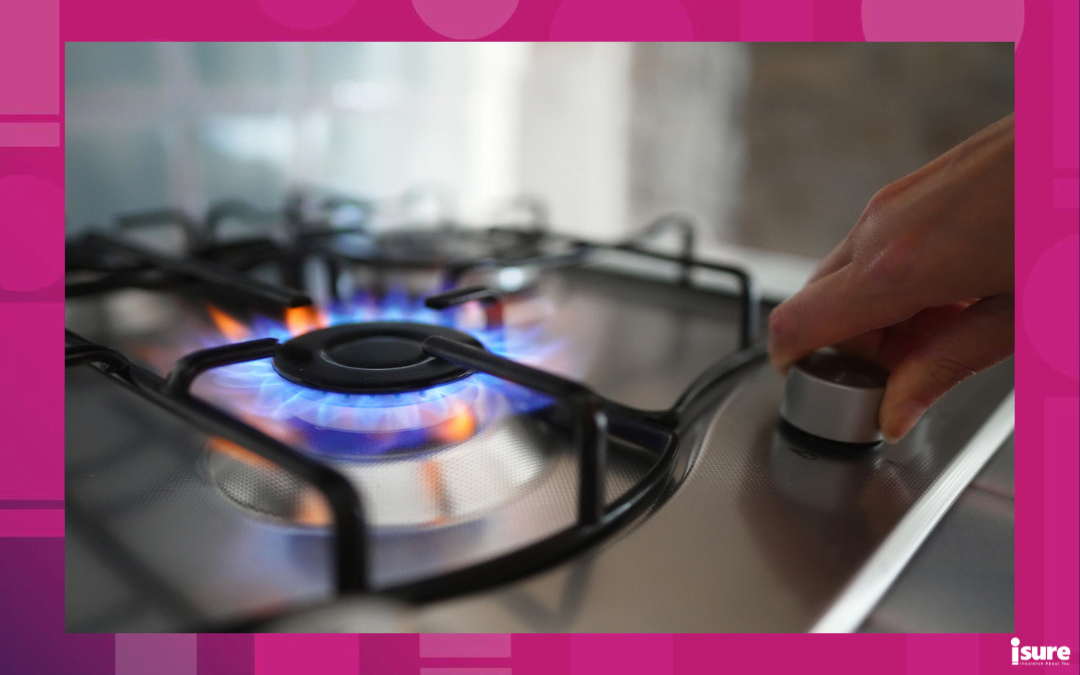
And third, it’s just plain cozy. There’s something inherently comforting about a warm kitchen, isn't there? The gentle hum of the oven, the inviting smells of something delicious simmering away. It's the heart of the home, and making it warmer naturally just amplifies that lovely, snug feeling.
Smart Ways to Harness that Stove Warmth
Okay, so you're convinced. But how do you actually do this without turning your kitchen into a sauna or, worse, a hazard? It’s all about being clever and safe!
The Oven Door Trick (with a caveat!): This is probably the most common (and misunderstood) way. After you’ve baked that batch of cookies or roasted that glorious chicken, leave the oven door ajar as it cools down. All that lovely, residual heat will gently radiate into your kitchen. It's like your oven is giving off a warm sigh of satisfaction after a hard day's work. Just remember: this is for residual heat after cooking, not as a primary heating method. Never, ever turn on your oven just to heat your home; it's inefficient and potentially dangerous.
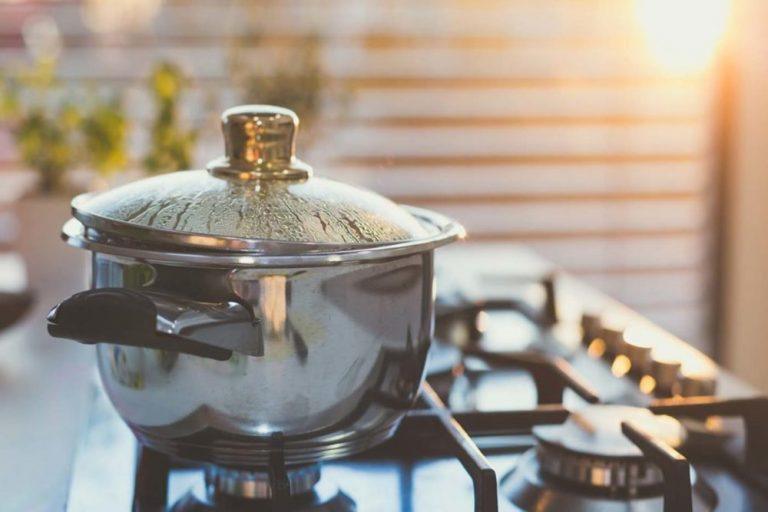
Cook, Cook, Cook! This one's a no-brainer, but often overlooked. When it’s cold, fire up your oven or stove burners for actual cooking! Bake a big lasagna, roast a tray of veggies, or make a huge pot of simmering soup. Not only will you have delicious food, but all that cooking generates a good amount of heat. It's multi-tasking warmth at its finest! Your kitchen will naturally get toasty, and the yummy smells are a bonus.
Steam Power: Ever noticed how steamy a kitchen gets when you boil a big pot of water for pasta or keep a kettle going for tea? That steam releases latent heat and adds a bit of humidity to the air, which can make a room feel warmer. Plus, a warm mug of tea or a hearty bowl of oatmeal always helps on a chilly day. It’s a little like giving your kitchen a warm, steamy hug!
Safety First, Always!
Now, before you go turning your kitchen into a tropical paradise, we absolutely must talk about safety. This isn't just a friendly suggestion; it's the golden rule of staying warm with your gas stove.
![The Ultimate Guide to Medium Heat on Stove [Explained] - MyFire.Place](https://myfire.place/wp-content/uploads/2022/10/medium-heat-setting.jpg)
Ventilation is Your Best Friend: Gas stoves produce exhaust, including moisture and, importantly, carbon monoxide. Carbon monoxide is the sneaky "silent killer" – colorless, odorless, and deadly. So, when you're using your stove for an extended period, especially for generating warmth, crack a window slightly. Just a little sliver! It allows for fresh air circulation without letting all your hard-won warmth escape. Think of it as letting your kitchen breathe.
Never Leave it Unattended: Just like you wouldn't leave a toddler alone with a box of permanent markers, don't leave your stove on or the oven door open unattended. Always be in the vicinity, keeping an eye on things. A moment of distraction is all it takes for an accident.
No Clothes Drying: We’ve all been tempted, haven't we? Hanging a damp towel over the oven door. Resist! This is a major fire hazard. Your oven is for food, not for laundry.

Get a Carbon Monoxide Detector: Seriously, this is non-negotiable. If you have any gas appliances in your home, a CO detector is like a warm hug for your peace of mind. They're affordable and truly life-saving. Install one in your kitchen area and test it regularly!
Embrace the Warmth!
So there you have it! Your gas stove isn't just a culinary workhorse; it can also be a wonderful source of supplemental warmth during those nippy days. By being smart, resourceful, and most importantly, safe, you can turn your kitchen into an even cozier, more inviting hub of your home. So go ahead, bake that cake, simmer that soup, and let your kitchen wrap you in its comforting glow!
(Word count: 790 words)