How To Solar Power Your Home
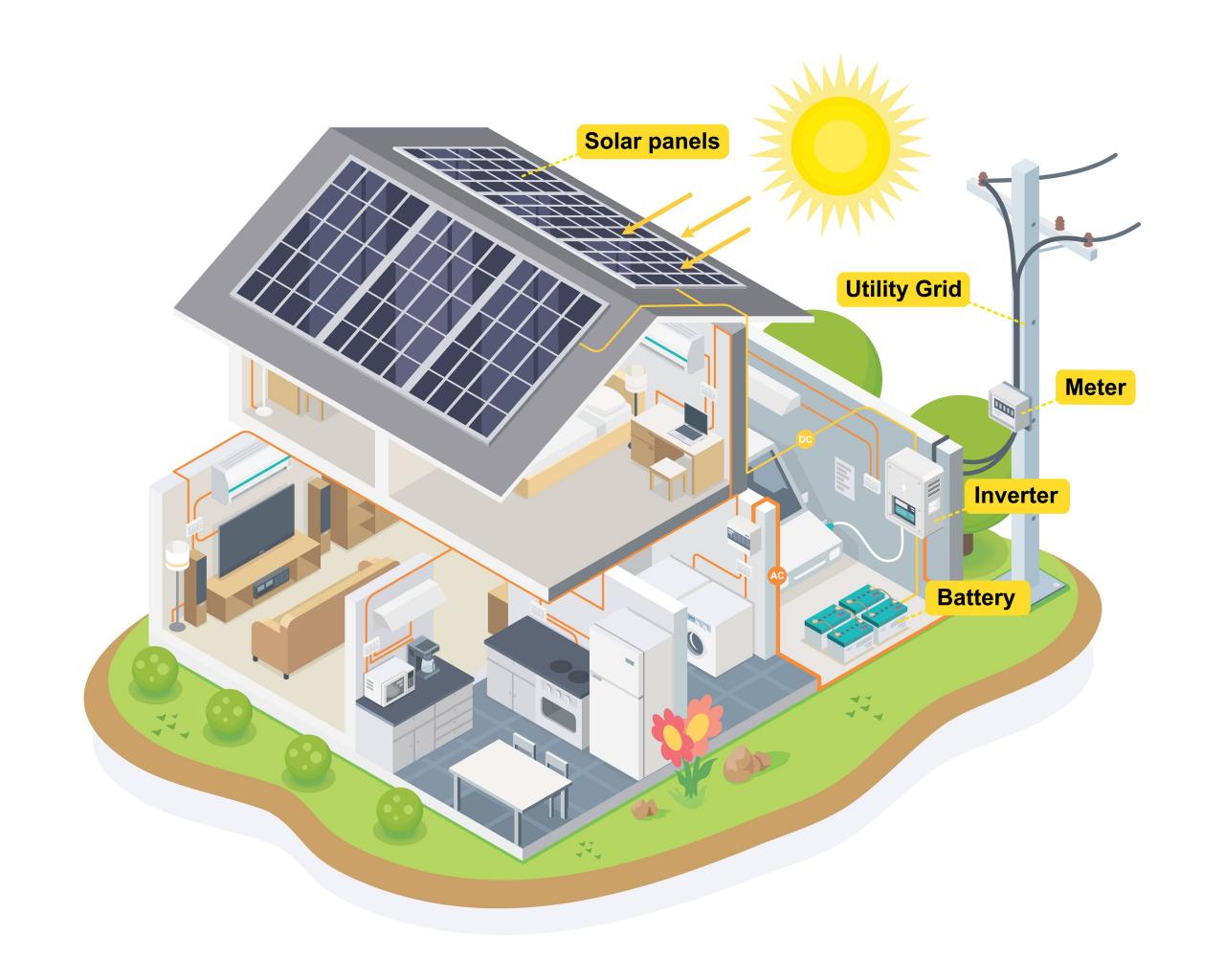
Imagine a world where your electricity bill is less of a monthly dread and more of a friendly wave goodbye. A world where the sunshine isn't just brightening your day, but literally powering your entire home. Sounds like science fiction? Well, welcome to the incredibly accessible and increasingly popular reality of solar powering your home!
There's a reason why so many homeowners are catching the solar bug. It’s not just about being environmentally conscious, although that's a huge bonus. It's about a deep, satisfying sense of independence. Picture this: the grid goes down, your neighbours are plunged into darkness, but your lights are still glowing, your fridge is humming, and your Wi-Fi is still streaming your favourite shows. That's the power of having your own personal, silent power plant on your roof.
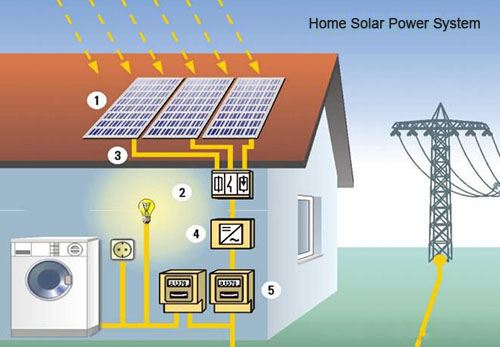
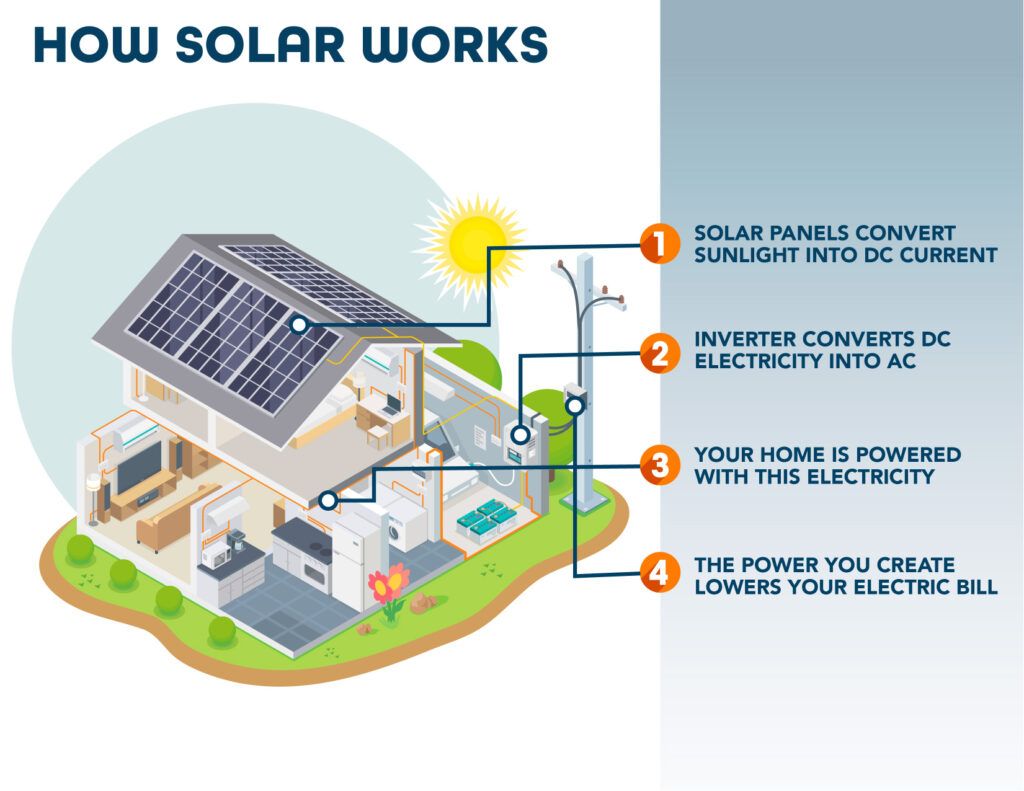
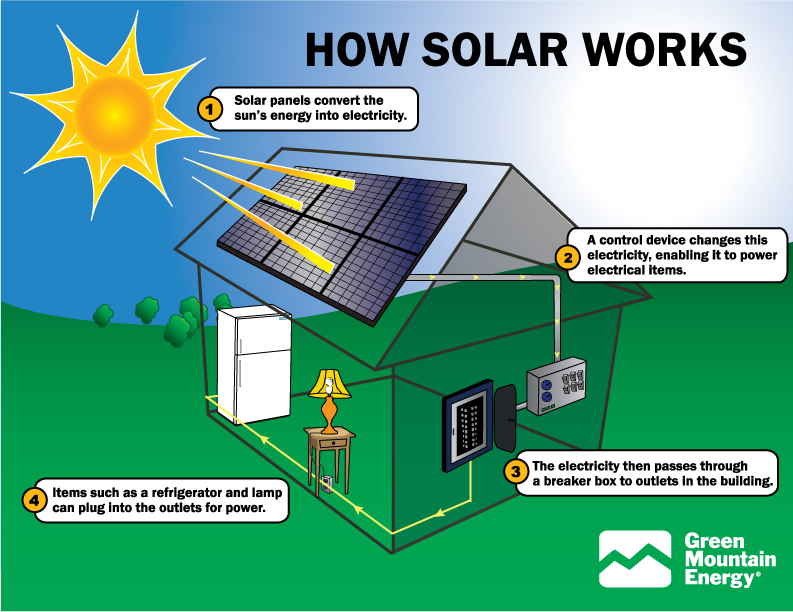
The core purpose of solar energy for your home is delightfully simple: to convert sunlight into usable electricity. This dramatically reduces, or even eliminates, your monthly utility bills. Beyond the immediate savings, you're boosting your home's value, locking in energy costs for decades, and contributing to a cleaner planet by reducing your carbon footprint. It’s a win-win-win! Common applications range from the ubiquitous rooftop panels that feed directly into your home's electrical system (often with excess power sent back to the grid for credits, known as net metering), to more robust systems with battery storage for true energy independence, ideal for remote properties or just peace of mind during outages.
Must Read
Ready to bask in your own solar glow? Here are some practical tips to enjoy this incredible technology more effectively. First, start with understanding your energy needs. Look at your past utility bills to get an average daily or monthly consumption. This helps size your system correctly. Next, don’t settle for the first quote! Get bids from at least three different reputable installers. Prices, panel types, and warranties can vary significantly. Ask about their experience, particularly with homes like yours, and check references.
Crucially, research local and federal incentives. Many governments offer generous tax credits, rebates, or grants that can significantly offset the upfront cost, making solar surprisingly affordable. Think about your roof's orientation and shading; south-facing roofs with minimal tree coverage are ideal for maximum sun exposure. Finally, consider adding a battery backup system. While optional, it transforms your solar setup from just bill reduction to true energy resilience, ensuring your power stays on even when the grid falters. Embracing solar isn't just an upgrade; it's an investment in a brighter, more sustainable, and certainly more independent future!