How To Set Thermostat For Heat

Okay, real talk. I vividly remember my first winter living truly alone. I’d moved into an old apartment, and the first time the mercury dipped below freezing, I found myself staring at the thermostat like it was some kind of ancient, inscrutable artifact. Buttons for “Heat,” “Cool,” “Fan,” numbers… It all felt like a secret language I hadn't learned. My fingers hovered, paralyzed by the fear of either accidentally summoning a blizzard indoors or, worse, racking up an electricity bill that would make my eyes water. I just wanted to be warm, you know? Not to mention, responsible!
Sound familiar? You’re definitely not alone. Many of us just want to be cozy without sending our utility bill into orbit. That little box on your wall, often taken for granted (until you're shivering!), is actually your home’s climate control center. And setting it right for heat isn't rocket science, but there is a knack to it. So, let’s demystify it together and learn how to set your thermostat for heat like a seasoned pro.
First Things First: Know Your Thermostat!
Before we dive into numbers, take a good look at your thermostat. Is it an old-school dial, a sleek digital screen, or one of those fancy smart ones you can talk to? Most modern thermostats will have a few key settings:
Must Read
- Mode: This is where you select Heat, Cool, or Off. Make sure it's on Heat! Seriously, I’ve seen people forget this one.
- Fan: Usually Auto or On. For everyday heating, Auto is generally best, as it runs the fan only when your system is actively heating. "On" means it's always blowing, which can sometimes just circulate cool air.
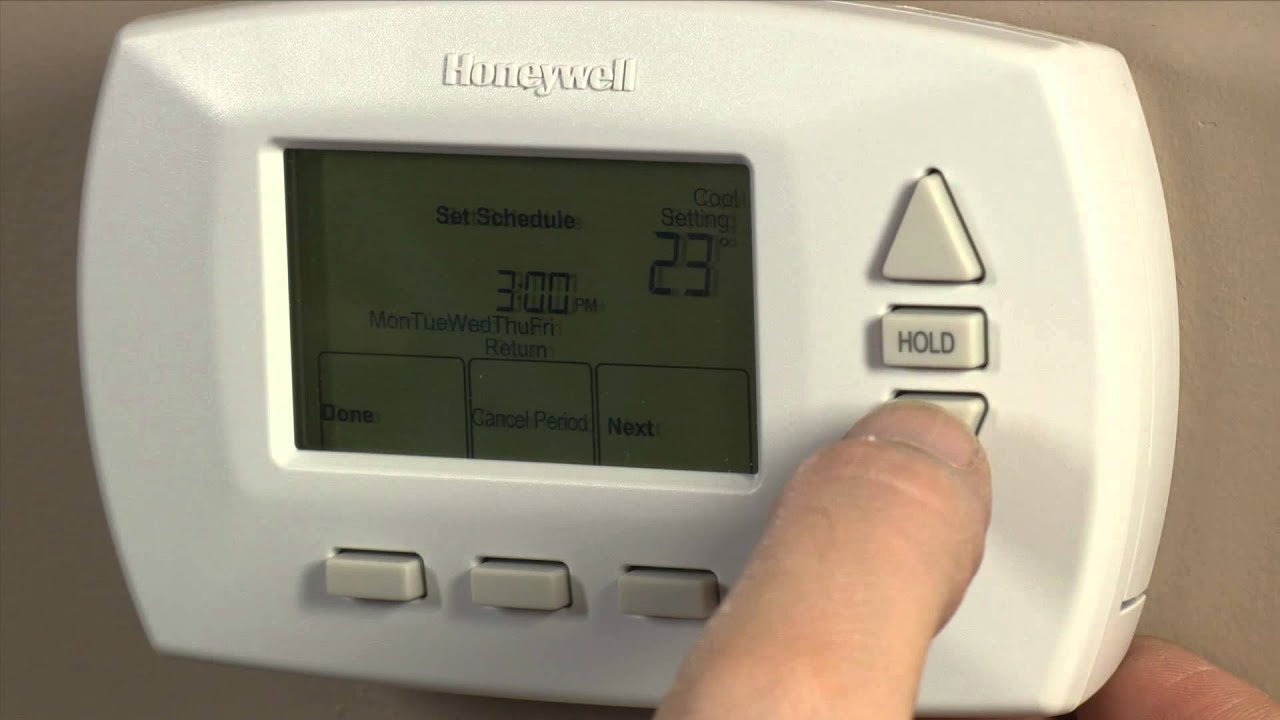
If you're still sporting a manual dial, it's pretty straightforward: just turn the dial to your desired temperature. Digital ones typically have up and down arrows. Smart thermostats? Well, they practically have a mind of their own, but the principles we're discussing still apply!
The Golden Rules of Temperature Setting
Here’s the thing about setting your heat: it’s a delicate dance between comfort and cost. Nobody wants to freeze, but nobody wants to pay an arm and a leg either. So, let’s talk ideal temperatures.

When You're Awake and At Home: The Comfort Zone
Most HVAC experts and energy advisors agree that during the day, when you’re home and active, a setting of around 68-70°F (20-21°C) is your sweet spot. This is generally considered comfortable for most people without being excessively wasteful. Think of it as the Goldilocks zone – not too hot, not too cold, but just right.
"But I like it warmer!" I hear you cry. And that's fine, but every degree you raise it above 70°F can noticeably increase your energy bill. Try adding a cozy sweater or some thick socks before cranking it up. Seriously, it makes a difference!

When You're Asleep: The Savings Zone
Did you know your body naturally prefers cooler temperatures for sleep? This is your prime opportunity to save some cash! Before you hit the hay, consider lowering your thermostat to somewhere between 60-65°F (16-18°C). Throw on an extra blanket or two. You'll likely sleep better, and your wallet will thank you in the morning. Plus, there’s nothing quite like snuggling deep under a duvet when it's a bit chilly outside the covers.
When You're Away: The Max Savings Zone
This is where smart thermostat owners really shine, but even with a basic programmable one, you can make a huge difference. If you're going to be out of the house for more than a few hours (say, at work, running errands, or for a weekend trip), there’s absolutely no need to heat an empty house to peak comfort levels. Drop that thermostat down significantly – aim for around 55-60°F (13-16°C).

"Won't it take longer to heat up when I get back?" This is a common myth! Your furnace doesn't work harder or faster to reach a desired temperature. It just runs for a longer duration. So, letting it cool down saves energy, and it'll eventually get back to your comfort zone when you tell it to. For even greater savings, some folks go as low as 50°F (10°C) when they're away for extended periods, just enough to prevent pipes from freezing.
Pro Tips for Heating Happiness
- Don't Crank It Up: As mentioned, setting your thermostat to 90°F won't heat your house any faster than setting it to 70°F. It'll just keep running past 70°F, wasting energy. Set it to your desired temperature and let it do its job.
- Programmable & Smart Thermostats Are Your Friends: If you have one, use its scheduling features! Set different temperatures for different times of the day (morning, day, evening, night). It’s one of the easiest ways to save without even thinking about it.
- Seal Those Leaks: All the thermostat setting in the world won't help if you're heating the great outdoors. Check for drafts around windows and doors. Weatherstripping and caulk are cheap heroes.
- Maintain Your System: Regularly change your furnace filter! A dirty filter makes your system work harder, consuming more energy and potentially leading to costly repairs. Trust me, future you will appreciate this.
So, there you have it! No more staring blankly at the thermostat, wondering what unholy pact you’re about to make with your energy company. With a little knowledge and a few mindful adjustments, you can keep your home warm, your bills manageable, and yourself feeling like the master of your cozy domain. Now go forth and conquer that thermostat!