How To Set Thermostat For 2 Story House In Winter
Let's face it: figuring out the thermostat in a two-story house in the winter can feel like a mini-battle against physics. Why is the upstairs always hotter than the downstairs? Is there a magic number that will make everyone happy? Well, fear not! Taming the thermostat is easier than you think, and achieving cozy comfort throughout your home is totally achievable. Plus, a well-regulated temperature can save you money on your heating bill – who doesn’t love that?
The purpose of setting your thermostat correctly in a two-story home is simple: to achieve consistent comfort across both levels and to maximize energy efficiency. For beginners, this means avoiding the common scenario of sweating upstairs while shivering downstairs. For families, it's about creating a living space where everyone feels comfortable, regardless of which floor they're on. And for the hobbyist or homeowner looking to optimize their home systems, it’s about understanding the science behind heat transfer and leveraging technology to achieve optimal performance.
The reason for the temperature disparity between floors is all about heat rising. Warm air naturally ascends, making the upstairs warmer. This effect is amplified by factors like sunlight exposure, insulation levels, and the design of your HVAC system. So, how do we combat this natural phenomenon?
Must Read
Here are some simple, practical tips for getting started:

- Start with a Baseline: Begin by setting your thermostat to a comfortable temperature, perhaps 70°F (21°C), and give it a few hours to stabilize. Observe the temperature difference between the floors.
- The "Two-Degree Rule": A common starting point is to set the thermostat two degrees cooler than what you'd ideally like the upstairs temperature to be. This helps compensate for the rising heat. So, if you want the upstairs to be 72°F, try setting the thermostat to 70°F.
- Adjust Strategically: Make small adjustments (1-2 degrees) to the thermostat and wait a few hours to see the effect. Patience is key!
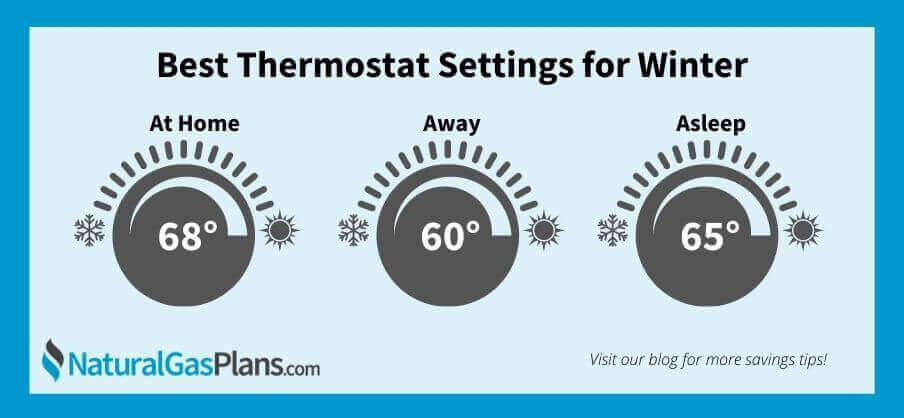
- Consider a Programmable Thermostat: A programmable thermostat allows you to set different temperatures for different times of the day. For example, you can lower the temperature when you're asleep or away from home to save energy. Newer models even learn your patterns and adjust automatically.
- Zoning Systems: For a more advanced solution, consider a zoning system. This allows you to control the temperature independently on each floor. It's a more significant investment but offers superior control and energy savings.
- Fan Settings: Experiment with your fan setting. Setting your fan to "on" instead of "auto" can help circulate air and distribute heat more evenly, though it may slightly increase energy consumption.
- Address Air Leaks: Ensure your home is properly sealed. Drafts can significantly impact temperature consistency. Seal windows and doors with weather stripping or caulk.
Variations include using smart thermostats that learn your preferences and adjust automatically, or even implementing smart home systems that integrate with sensors in each room. Some people find that closing vents in rooms they don't use often helps to direct heat to the areas that need it most, though it's important to not close too many vents, as this can strain your HVAC system.
Ultimately, finding the perfect thermostat setting for your two-story house is a bit of an experiment. There's no one-size-fits-all solution, as every home is different. But by following these simple tips and being patient with the process, you can achieve a comfortable and energy-efficient home environment. Enjoy the cozy warmth and the satisfying feeling of conquering your thermostat challenge!