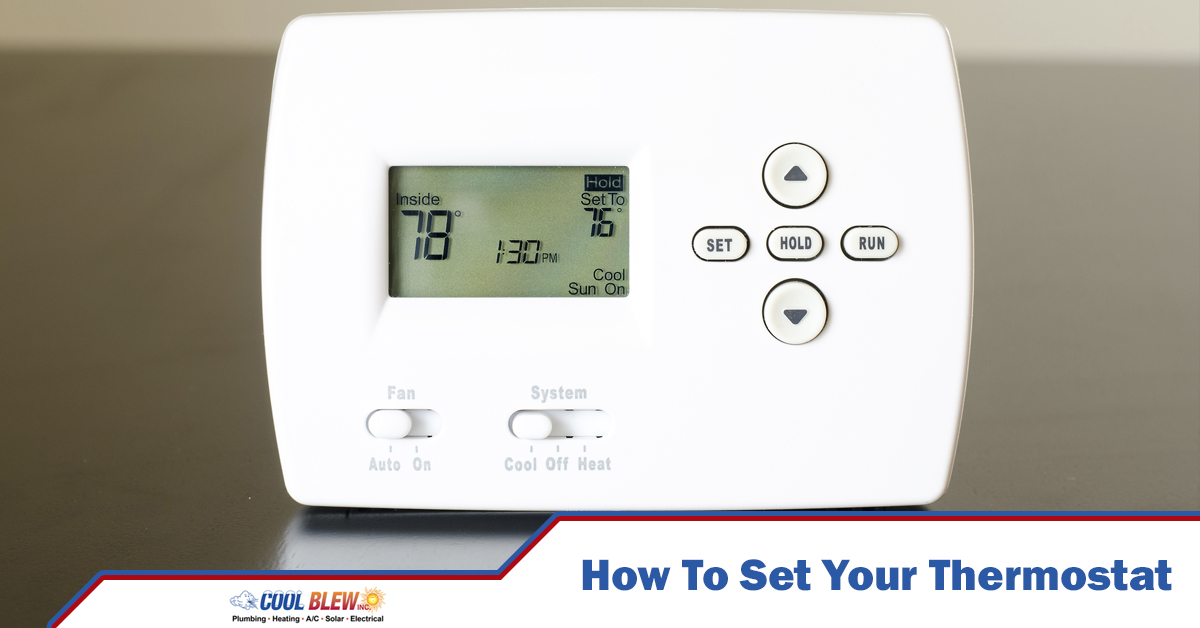
How To Set The Heater Thermostat

Ever walked into a chilly room and thought, "Brrr, time for some warmth!" then instinctively headed for that little box on the wall? That unassuming device, dear reader, is your heater thermostat. And while it might seem like a simple dial or a few buttons, there's a surprisingly curious world behind how it works and why it’s so important. Learning to set it effectively isn’t just about making your home cozy; it's about smart living, saving energy, and truly understanding your environment. Let's peel back the layers and discover the magic of mindful heating!
At its core, a thermostat's purpose is brilliantly straightforward: to maintain a desired indoor temperature automatically. Think of it as your home's personal climate controller. You tell it how warm you want to be – say, 70°F – and it gets to work. It constantly monitors the ambient temperature and, when it dips below your chosen setting, it sends a signal to your heating system to kick on. Once the room reaches that blissful 70°, it tells the heater to power down. The biggest benefits? Unwavering comfort, consistent warmth without you lifting a finger, and perhaps most importantly, significant energy efficiency. By preventing your heater from running unnecessarily, you save money on bills and reduce your carbon footprint. It’s a win-win for your wallet and the planet!
This clever little gadget weaves its way into our daily lives in countless ways. Consider waking up on a frosty morning to a house that's already toasty warm because you set a schedule on your programmable thermostat. Or imagine leaving for work, knowing your home will gently cool down to an energy-saving temperature, only to warm back up an hour before you return. This isn't just convenience; it's a testament to thoughtful energy management. In a broader sense, understanding thermostats also educates us on basic principles of physics – specifically, heat transfer and the concept of a "set point." It’s a practical lesson in how we manage resources and create sustainable living spaces, even impacting larger-scale building management and climate control systems.
Must Read
Ready to become a thermostat whisperer? Here are some simple ways to explore its potential. First, find your comfort "sweet spot" – for many, this is between 68-72°F during the day. Experiment by adjusting the temperature a degree or two up or down and notice how it affects your comfort and the heater's run time. If you have a programmable thermostat, dive into its settings. Try setting a schedule: perhaps 68°F when you're home, 62°F when you're away or asleep. Most modern thermostats also have an "hold" or "vacation" function, which is perfect for maintaining a lower, consistent temperature when you're gone for an extended period, preventing pipes from freezing without wasting energy. Don't forget to check if it needs new batteries occasionally! By simply observing, experimenting, and understanding your thermostat, you unlock a powerful tool for comfort, savings, and a little bit of everyday environmental stewardship. Happy heating!