How To Run Ceiling Fan In Winter
Picture this: it’s the heart of winter. Outside, the world is a crisp, frosted wonderland, and inside, your heater is dutifully blasting away. Yet, despite the furnace’s best efforts, you might still find a chilly draft near your feet while the air near the ceiling feels suspiciously warm. If this scenario sounds familiar, you're not alone. Many of us associate ceiling fans exclusively with the sweltering heat of summer, a rotating savior against humidity. But what if I told you your ceiling fan is actually a secret weapon for winter comfort and ? It's true! Embracing your ceiling fan during the colder months isn't just quirky; it's a smart move that can transform your home's coziness.
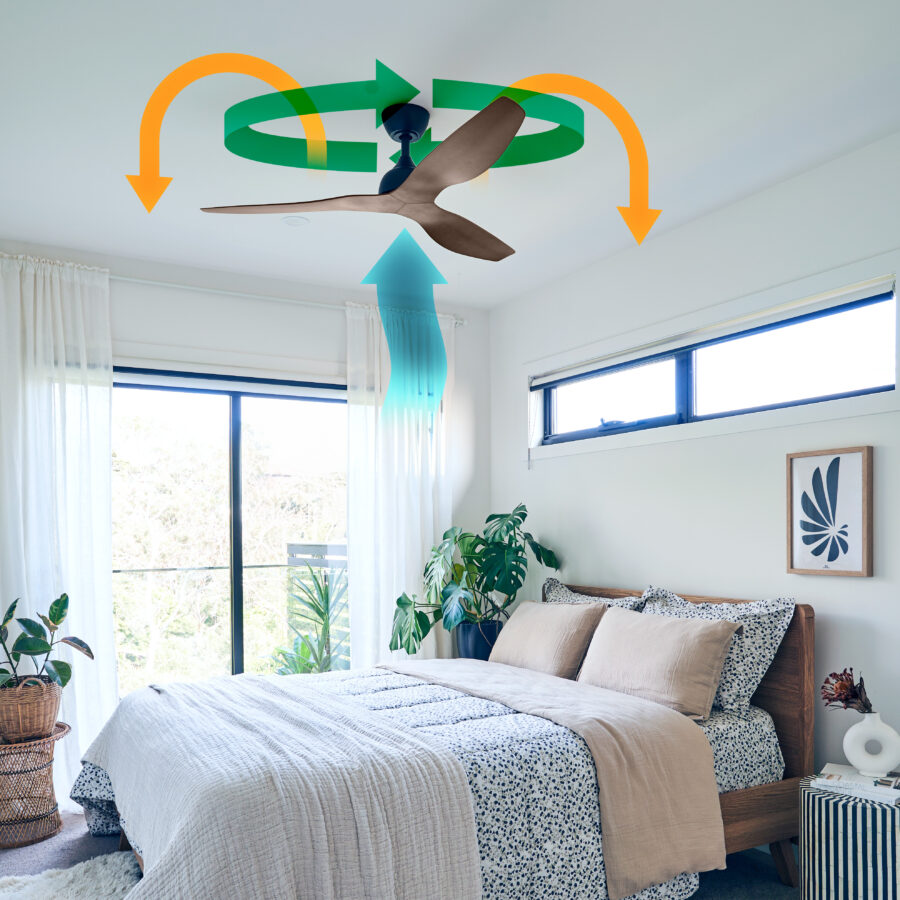
The core benefit of running your ceiling fan in winter boils down to a fundamental principle of physics: . All that lovely warm air your heating system generates quickly makes a beeline for the ceiling, leaving the lower parts of your room, where you actually live, feeling cooler. This creates an uneven temperature distribution that makes your heating system work harder and longer, leading to higher . Here's where your ceiling fan becomes the hero. By gently circulating the air, it pushes that trapped warm air back down into the living space, effectively evening out the room's temperature. This means your heater doesn't have to cycle as frequently, saving you money while keeping you snug as a bug in a rug. It’s about creating a more consistent and comfortable environment, eliminating those annoying cold spots and stuffy ceilings.
So, where does this magical winter trick work best? Essentially, anywhere you have a ceiling fan! It’s particularly effective in rooms with , like living rooms, open-plan kitchen/dining areas, or bedrooms where you want uniform warmth. Think about those chilly mornings when you first step out of bed – a properly set fan can make that transition far less jarring. Many modern homes with vaulted ceilings benefit immensely, as these designs are notorious for trapping heat up high. Even in standard-height rooms, the subtle circulation prevents stagnant air and helps distribute the warmth more evenly, making the overall feel of the room much more inviting.
Must Read
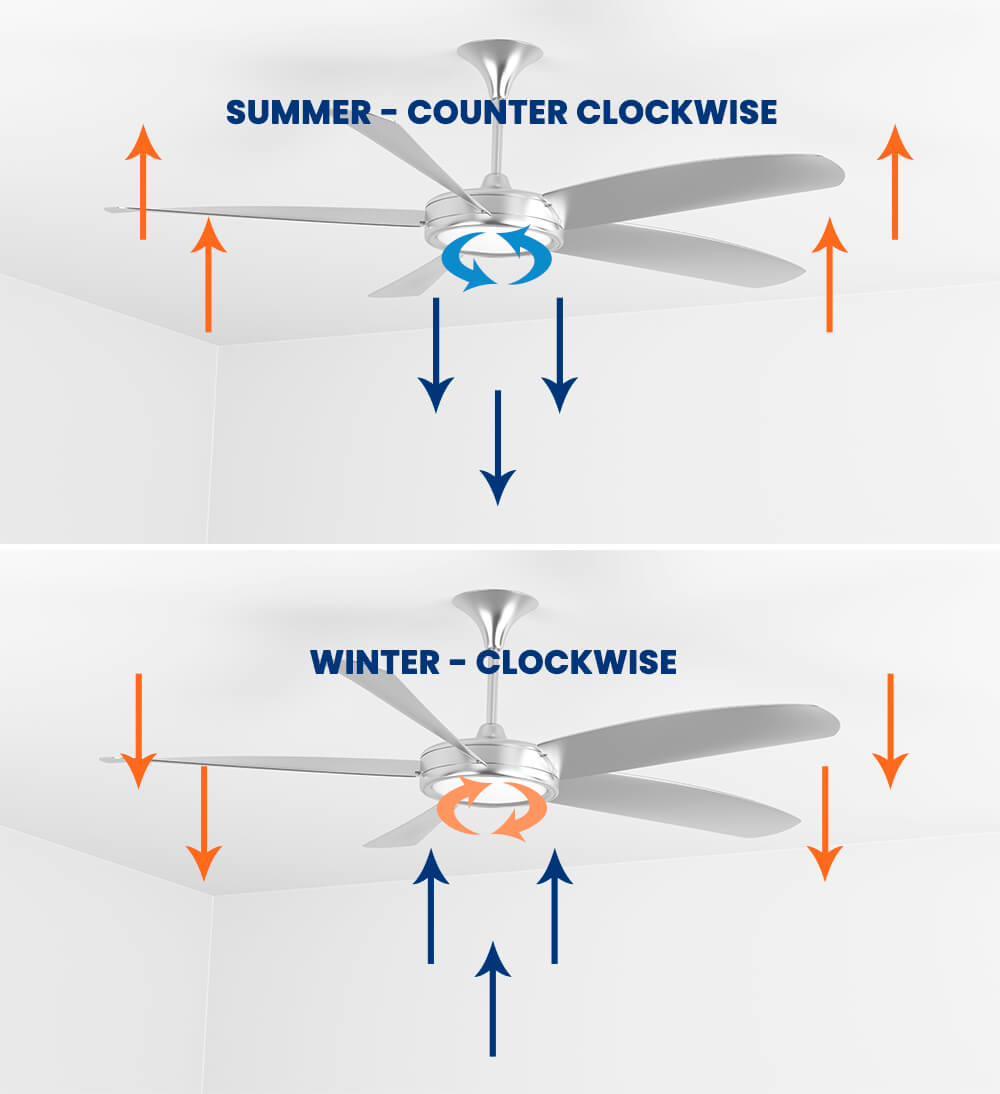
Ready to unlock your fan's winter potential? The trick is simple but crucial: you need to reverse the direction of your fan blades. Most ceiling fans have a small switch on the motor housing that allows you to change the rotation. For winter, you want the blades to spin in a . This creates an updraft, gently pulling cooler air up towards the ceiling and pushing the warmer, trapped air down along the walls. You won't feel a direct breeze (which is what you want in winter!), but rather a subtle, pervasive warmth. Start with a ; high speeds can create an unwanted draft and cool you down. Once reversed and set to a low speed, you might even find you can by a degree or two without sacrificing your comfort level. Remember to give it some time to make a noticeable difference, and clean your fan blades regularly for optimal performance. Experiment with the settings in different rooms to find your perfect winter warmth. Who knew your ceiling fan was such a multi-season marvel?

:max_bytes(150000):strip_icc()/ceiling-fan-in-winter-GettyImages-1143351837-4368d4671c9649e18aaca19a9e273b39.jpg)