
How To Remove Heat From Attic

Hey there, fellow home adventurer! Ever walk into your house on a scorching summer day and feel like you've just stepped into a giant, sun-baked potato? If so, you're probably well-acquainted with the arch-nemesis of summer comfort: the super-heated attic. But fear not, intrepid explorer! Unraveling the mystery of attic heat isn't just about battling discomfort; it's a fascinating dive into how your home breathes and battles the elements. It's actually pretty cool (pun intended!) once you understand it.
So, what’s the big deal with attics anyway? Picture this: your roof is like a giant billboard, constantly absorbing sunlight. And guess what's right underneath it? Your attic! All that glorious sunshine turns your roof into a giant radiator, pumping heat straight into that enclosed space. Think of it like leaving a car parked in the sun all day with the windows rolled up – it becomes an oven, right? Well, your attic is doing a similar impersonation, but on a much grander scale.
This trapped heat doesn't just hang out politely; it starts to migrate. Heat, being the rebellious spirit that it is, loves to travel downwards, right through your ceiling and into your living space. This makes your air conditioner work overtime, chugging away like a tiny locomotive trying to pull a mile-long train uphill. The result? A less comfortable home and, yup, higher energy bills. Not exactly ideal for that summer fun budget, is it?
Must Read
The Secret Weapon: Ventilation!
The first, and arguably most important, player in our heat-busting arsenal is ventilation. This is all about letting your attic breathe. Imagine wearing a thick coat on a hot day versus a light, breezy shirt. Your attic needs that same kind of airflow! The goal is simple: get the hot, stagnant air out and draw cooler, fresh air in.
How do we achieve this magical airflow? It’s a two-part harmony:
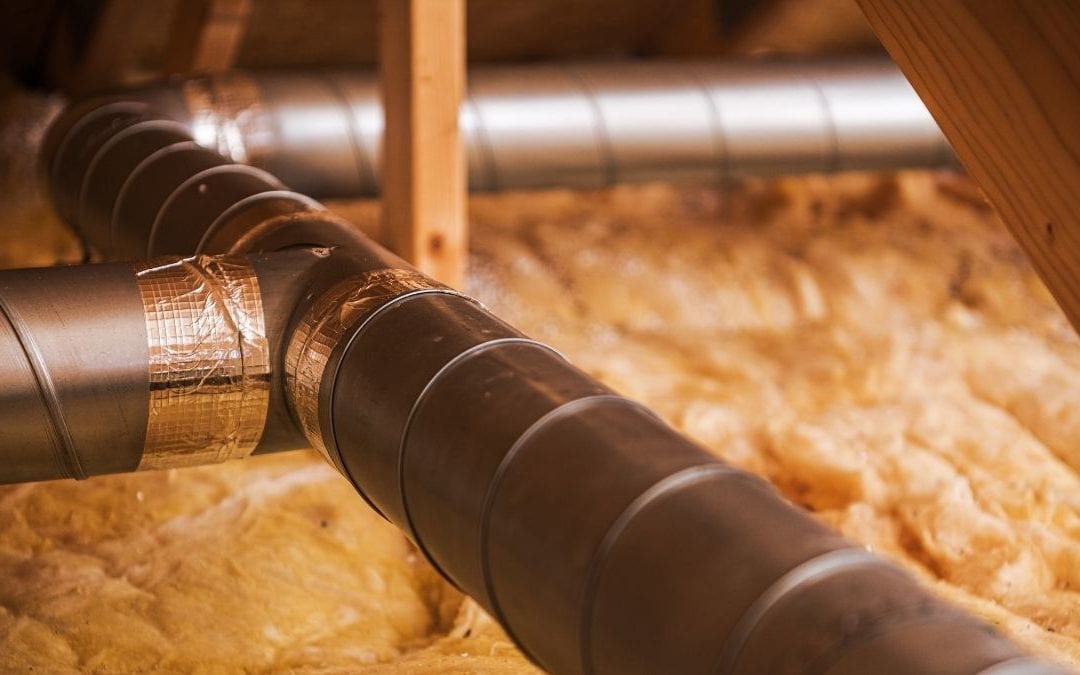
- Soffit Vents: The Inlets. These are usually located along the underside of your roof's eaves, where the roof overhangs the walls. They're like the fresh air intake valves for your attic, quietly drawing in the cooler outside air.
- Ridge Vents or Gable Vents: The Outlets. These are at the very peak of your roof (ridge vents) or on the ends of your attic (gable vents). They're the escape hatches for the super-heated air that naturally rises.
The really neat thing here is something called the "stack effect." Hot air naturally rises, right? So, as the hot air in your attic rises and exits through the upper vents, it creates a subtle vacuum that pulls in cooler air from the soffit vents. It's a continuous, natural cycle that works like magic, keeping that air moving without any mechanical help!
The key here is balanced ventilation. You need both an entry point and an exit point for the air. Just having one without the other is like trying to drink from a straw while holding your thumb over the top – nothing really moves!
Insulation: The Unsung Hero
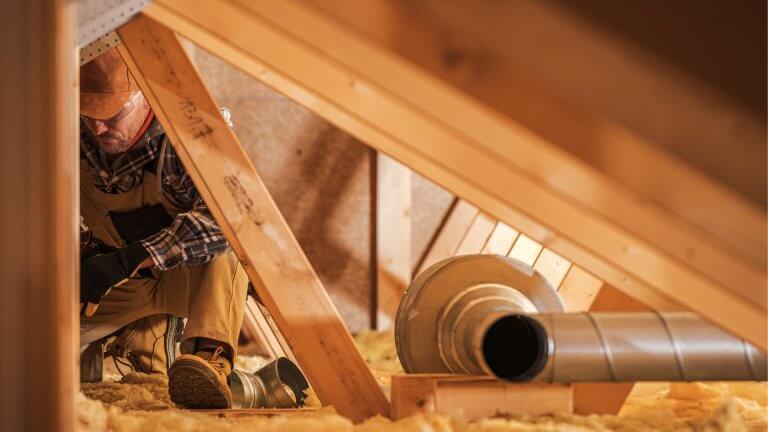
While ventilation gets the air moving, insulation is your home’s cozy blanket that works in reverse during summer. Instead of keeping heat in (like in winter), it acts as a barrier to keep the scorching attic heat out of your living space. Think of it as a bouncer, politely but firmly telling heat, "Sorry, you're not on the guest list for the living room party."
Adding or upgrading attic insulation can make a dramatic difference. Just be careful not to block those essential soffit vents when you're laying down that fluffy stuff! Insulation is a fantastic way to slow down heat transfer, giving your AC a much-needed break.
Radiant Barriers: Space-Age Tech for Your Attic
Now, this one feels a bit like something out of a sci-fi movie! Radiant barriers are essentially reflective materials, often thin sheets of aluminum foil, installed in your attic. Their superpower? They don't absorb heat; they reflect it. Imagine wrapping your house in a giant Mylar blanket! Most of the heat that enters your attic isn't just hot air; a significant portion is radiant heat coming directly from the sun-baked roof.

A radiant barrier helps bounce a lot of that heat right back out, before it even has a chance to turn into hot air that needs to be ventilated. It's a passive, super-efficient way to tackle heat before it becomes a problem, especially in sunny climates. How cool is that?
Attic Fans: The Extra Push
Sometimes, even with great passive ventilation and insulation, your attic might need a little extra nudge. That's where attic fans come into play. These are mechanical fans that actively pull hot air out of your attic. They can be thermostatically controlled, meaning they kick on automatically when the attic reaches a certain temperature.

However, a word of caution from your friendly attic guru: attic fans work best when you already have good passive ventilation. If you don't have enough intake (those soffit vents!), an attic fan can actually suck conditioned air right out of your house, which is definitely not what we want! It's like trying to draw water from an empty well – you'll just be sucking air. So, always make sure your ventilation is balanced before considering an attic fan.
So, there you have it! Who knew the humble attic held such fascinating secrets? Removing heat from your attic isn't just about beating the summer swelter; it's about understanding the clever physics of your home. By encouraging proper airflow, creating effective barriers, and reflecting radiant energy, you can transform that giant potato oven into a much more comfortable space.
Go ahead, take a peek at your attic's setup, or at least admire your roof's vents. You'll not only feel cooler but might just find yourself marveling at the simple, ingenious ways your house stays comfy. Happy heat-busting!