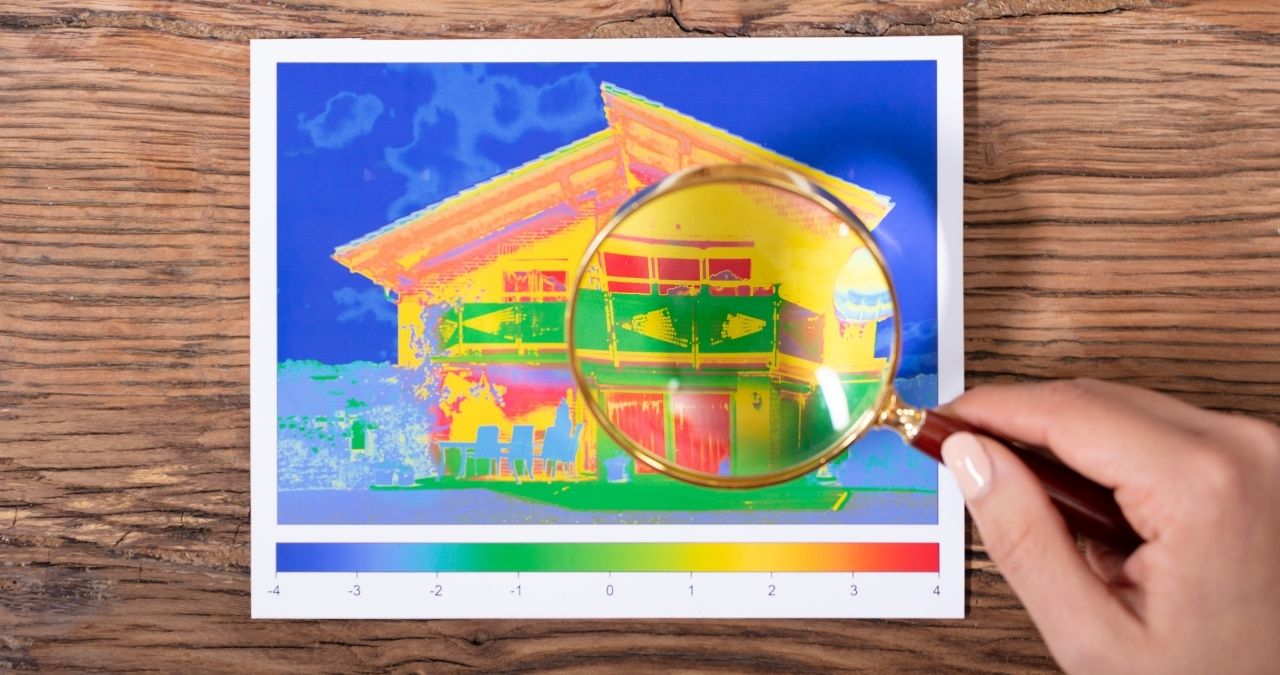
How To Reduce Heat From Windows
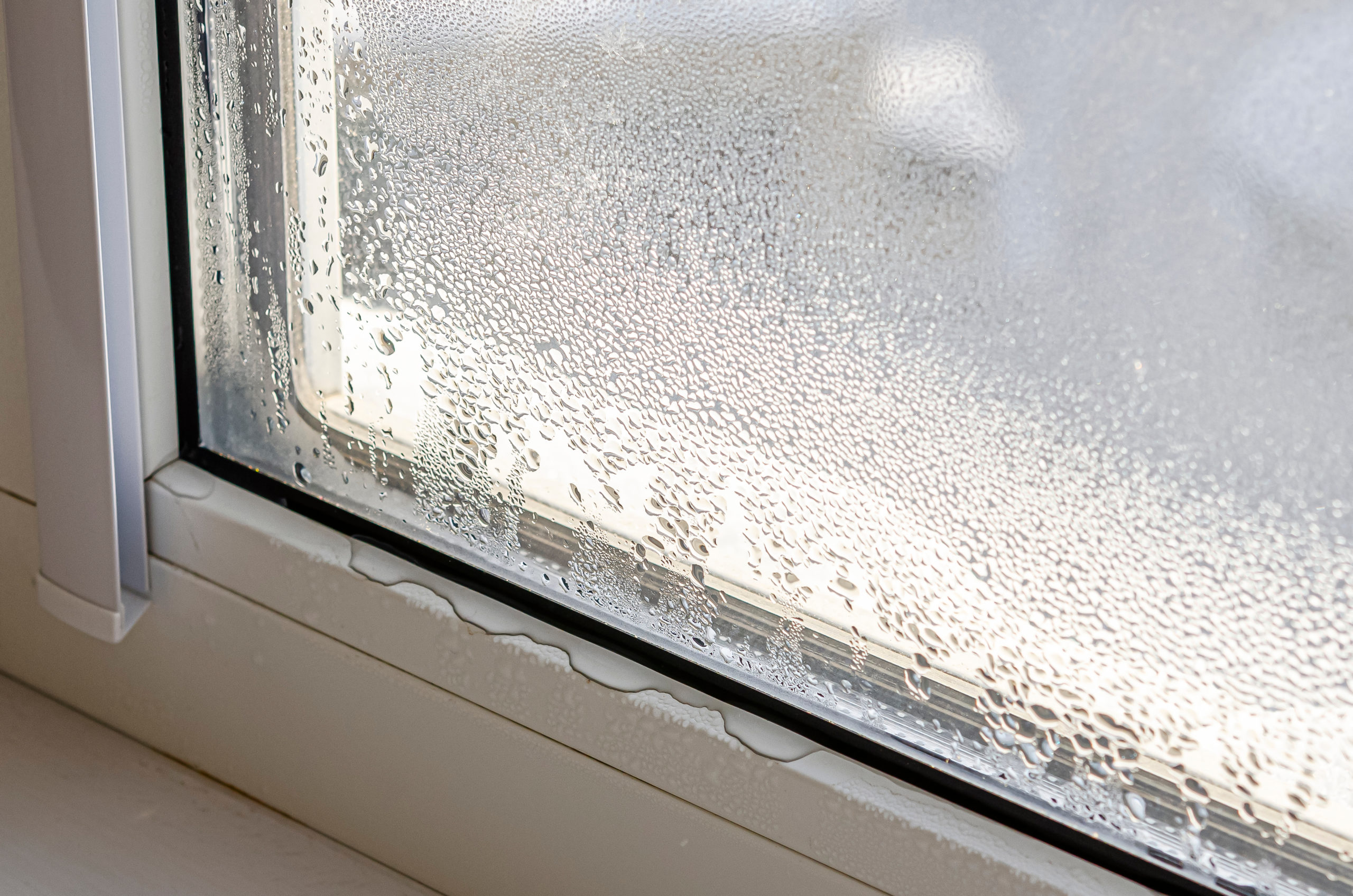
Ever walked into a room on a sunny day and felt like you'd stepped into a sauna? Or maybe you've noticed your air conditioner working overtime, struggling to keep up with the beaming sun pouring through your windows? It's a common experience, but what if we told you there’s a whole world of fascinating, simple ways to wrestle back control from that relentless heat? Think of it less like a chore and more like a delightful little investigation into how your home interacts with the sun's energy. It’s pretty cool, literally!
The main purpose of exploring how to reduce heat from windows is wonderfully straightforward: to make our living spaces more comfortable and more energy-efficient. Imagine a bedroom that stays pleasantly cool on a sweltering afternoon, or a home office where you're not constantly battling glare and warmth. The benefits are clear: reduced energy bills because your AC isn't fighting a losing battle, a smaller carbon footprint, and simply a more enjoyable environment for everyone. It’s about creating a personal oasis that feels just right, no matter what the sun is doing outside. Plus, you’ll be protecting your furniture and flooring from sun damage and fading – a hidden bonus!
This isn't just about saving money; it’s a brilliant way to understand some basic physics in action, making it relevant for both daily life and even a bit of home education. In daily life, knowing how to manage window heat can transform your summer experience. Perhaps you're trying to keep a baby's nursery cool for naptime, or maybe you're a plant enthusiast trying to balance sunlight for your greens without overheating the room. You can also see this principle applied in public buildings with clever architectural designs to maximize natural light without sacrificing thermal comfort. For education, a curious child could easily conduct simple experiments, comparing the temperature behind different types of curtains or seeing how a piece of dark paper heats up faster in direct sunlight than a white one. It’s a hands-on lesson in heat transfer and insulation!
Must Read
So, how can you start exploring this fascinating topic without tearing down walls? It’s surprisingly simple! One of the easiest and most effective methods is to use window coverings. Heavy, light-colored curtains, especially those with thermal backing, are fantastic for reflecting heat. Imagine them as a tiny shield for your window. Another great option is honeycomb blinds, which trap air in their cellular structure, creating an insulating layer. You could also experiment with DIY window film – there are reflective and low-e (low-emissivity) options that you can apply yourself, offering a subtle but significant barrier against heat. For a more external approach, consider simply closing your blinds or curtains during the hottest parts of the day, especially on windows that get direct sun. Even a strategically placed tree or shrub outside a window can provide natural shade, a truly beautiful and effective solution! Grab a thermometer and try testing the temperature difference on your windowsill before and after applying one of these techniques. You might be surprised by the tangible results and the simple satisfaction of outsmarting the sun!