The sun is blazing. Your house feels like a sauna. You walk into a room, and instead of a cool breeze, you get a warm sigh from your trusty air conditioner. Ah, the classic summer struggle!
You think, "It must just need a little boost!" Like refilling your car's wiper fluid, right? Or topping off a low tire? You envision a simple hose, a can of magic cool air, and boom – instant arctic blast. We've all been there, dreaming of that easy fix for a sweaty problem.
Let's playfully dive into the delightful fantasy of recharging your home AC unit. Because in our heads, it’s always so much simpler than reality, isn't it?
You picture yourself, perhaps in a heroic stance, with a special can labeled "Super Coolant Extreme." You imagine finding a little valve on your outdoor unit, perfectly accessible, waiting for you. A quick twist, a satisfying hiss, and suddenly your vents are blasting frosty relief. Maybe you even imagine the unit purring contentedly, like a well-fed house cat.
It sounds so easy. So satisfying. A true weekend warrior accomplishment. "I recharged the AC!" you'd declare, wiping a triumphant brow. Your family would gaze upon you with admiration, enjoying the sudden drop in temperature. It's a lovely image, truly. A homeowner's dream.
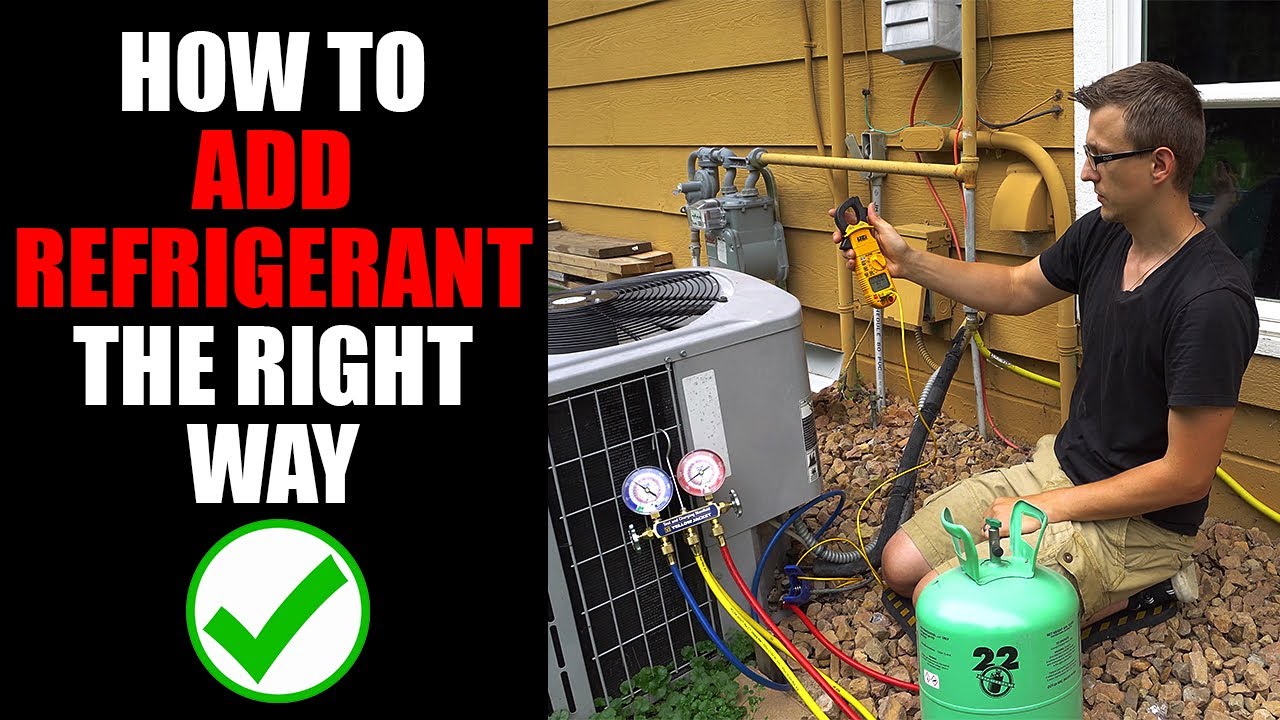
How To Refill R22 AC With Subcooling Method - YouTube
The truth, however, is often a little less magical. And a lot less DIY-friendly. This is where our gently humorous "unpopular" opinion comes in. Prepare to agree, even if you secretly wish it weren't true.
Sometimes, the smartest DIY project you can undertake is knowing when to pick up the phone. Especially when it comes to your fussy metal boxes of coolness.
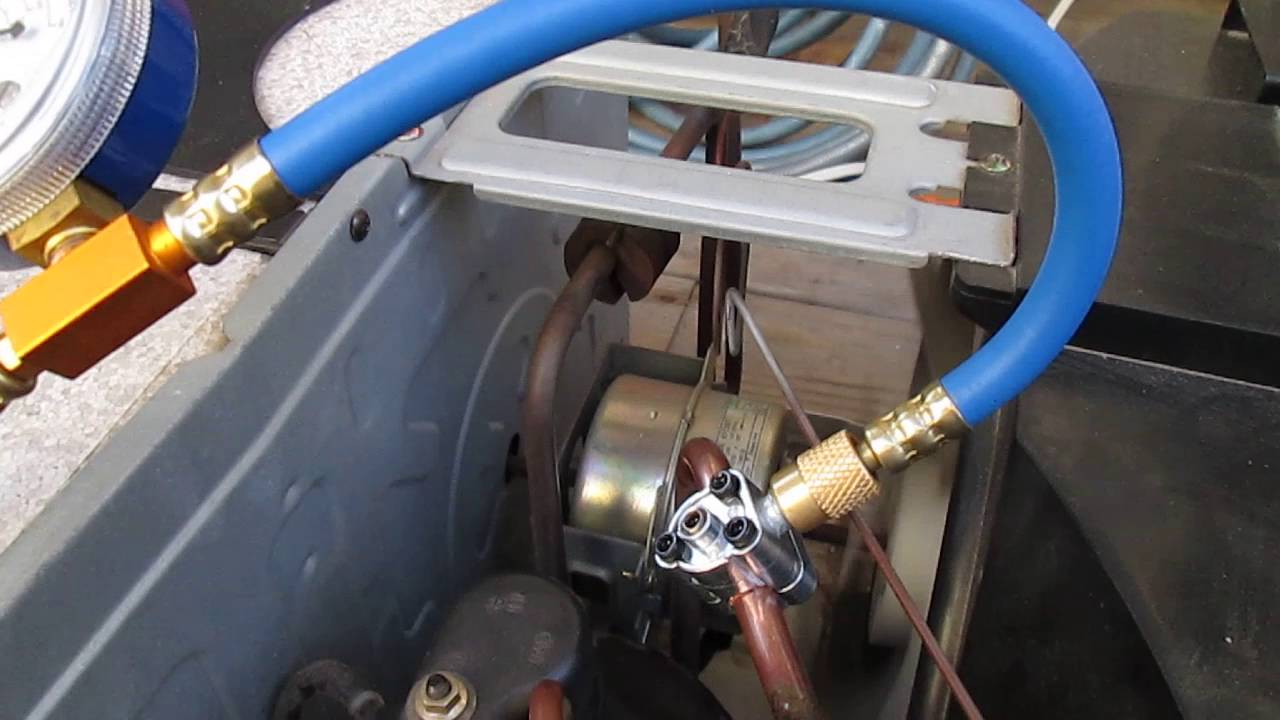
DIY Air Conditioning House AC Refill Recharge with R134A - Video 3
Why It's Not Like Filling a Tire (Sadly)
That "magic cool air" inside your AC unit isn't just air. It's a special substance called refrigerant. Think of it as the secret sauce that absorbs heat from inside your home and dumps it outside. It's not consumed like gasoline. If your AC is low on refrigerant, it means there's a leak somewhere.
And finding a leak? That's not a job for a garden hose and a prayer. It requires specialized tools, keen eyes, and knowledge of the AC system's inner workings. Your AC unit is a closed-loop system. The refrigerant just cycles around and around. If it's escaping, that's a problem that needs fixing, not just topping off.
Plus, there are different types of refrigerants. Old units might use R-22, which is now largely phased out due to environmental concerns. Newer units use R-410A, or others. Mixing them? Big no-no. Using the wrong one? Even bigger no-no. It's like putting diesel in a gasoline car, but for your cooling system.
How to Recharge Your Home A/C Unit & How Much It Costs | AHS
The Case for Calling the Coolness Cavalry
So, why is this so important? Why can't we just try our luck? Well, for a few fun reasons:
It's a delicate dance: Adding too much or too little refrigerant can actually harm your unit. You could cause more damage, leading to even pricier repairs. That's like trying to fix a leaky faucet and accidentally flooding your kitchen.
Environmental impact: Refrigerants are potent greenhouse gases. If they leak out, they contribute to climate change. That's why they are so heavily regulated. Professionals are trained to handle them safely and responsibly.
Safety first: These chemicals are under pressure. There are electrical components. There are sharp bits. It's not exactly the safest place for a curious amateur to poke around.
You might see kits at the hardware store promising an easy fix. They might offer a temporary band-aid. But they don't address the underlying leak. It's like putting a sticker over a hole in a boat. It might work for a bit, but eventually, you're going to get wet.
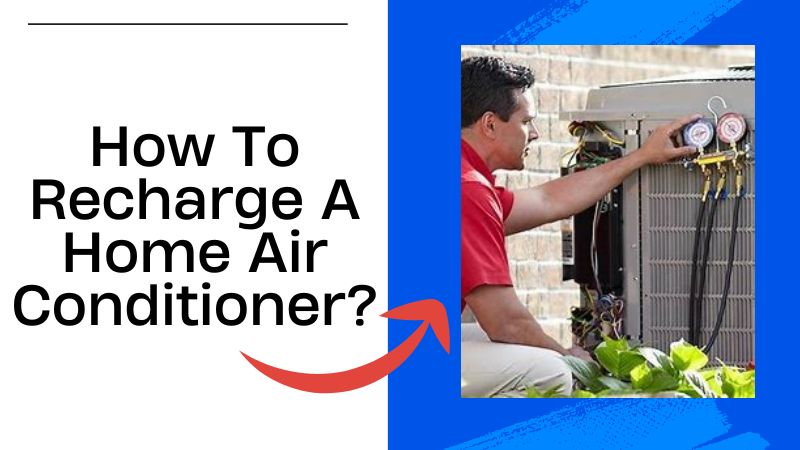
Recharge Home AC: All You Need to Know - PICKHVAC
What You Can Do (The Real DIY Wins!)
Don't despair! There are plenty of satisfying AC-related DIY tasks you can tackle safely and effectively. These actually help your unit run better and last longer:
Change your air filter: This is the absolute MVP of AC maintenance. A clean filter allows air to flow freely, making your AC more efficient. It's super easy, and you'll feel like a hero every time.
Keep the outdoor unit clear: Make sure no plants, leaves, or debris are blocking the airflow around your outdoor condenser unit. Give it some breathing room.
Clean around the coils: With the power off, you can gently brush away surface dirt from the outdoor coils. Just be gentle!
For anything beyond these simple tasks, it's truly best to call in a professional HVAC technician. They have the specialized tools, the training, and the certifications to diagnose the actual problem, safely fix the leak, and add the correct amount of refrigerant.
So, the next time your AC feels sluggish, remember the dream of the easy recharge. Then, smile knowingly, and pick up the phone. Your wallet, your comfort, and the planet will quietly thank you for making the smart, if "unpopular," choice.