
How To Read Your Energy Meter

Alright, let's talk about something that might sound a little... well, meter-y. Your energy meter. Bet you're already picturing dusty boxes and bewildering numbers, right? But hold on a second! What if I told you that reading your energy meter isn't just about understanding your bill, but about unlocking a secret superpower for your home? Imagine becoming an Energy Whisperer, a savvy household superhero, with the power to see the invisible flow of electricity! Sounds a bit more fun now, doesn't it?
Let's be honest, most of us treat our energy meter like that mysterious neighbor who lives down the street – we know they're there, we see them occasionally, but we have no idea what they're really up to. We just wait for the bill to arrive, often with a groan. But what if we could peek behind the curtain, understand its language, and maybe even... influence it?
Why Bother? The Fun Factor!
You might be thinking, "Why should I add 'read energy meter' to my already packed to-do list?" Great question! Here's the secret sauce:
Must Read
First, it’s about empowerment. Knowing where your energy goes gives you a sense of control. It's like having the cheat codes to your home's energy consumption. No more guessing games or bill shock surprises! You'll be one step ahead.
Second, let's talk about your wallet. This isn't just about saving a few pennies; it's about playing an epic game where the prize is more money in your pocket. Spotting energy hogs and making small changes can add up to significant savings. Think of it as a treasure hunt where you find cash hiding in plain sight!
And third, you become a silent champion for the planet. Every little bit of energy saved reduces your carbon footprint. You'll be a green guru without even breaking a sweat. How cool is that?
Meet Your Meter: Digital vs. Dial
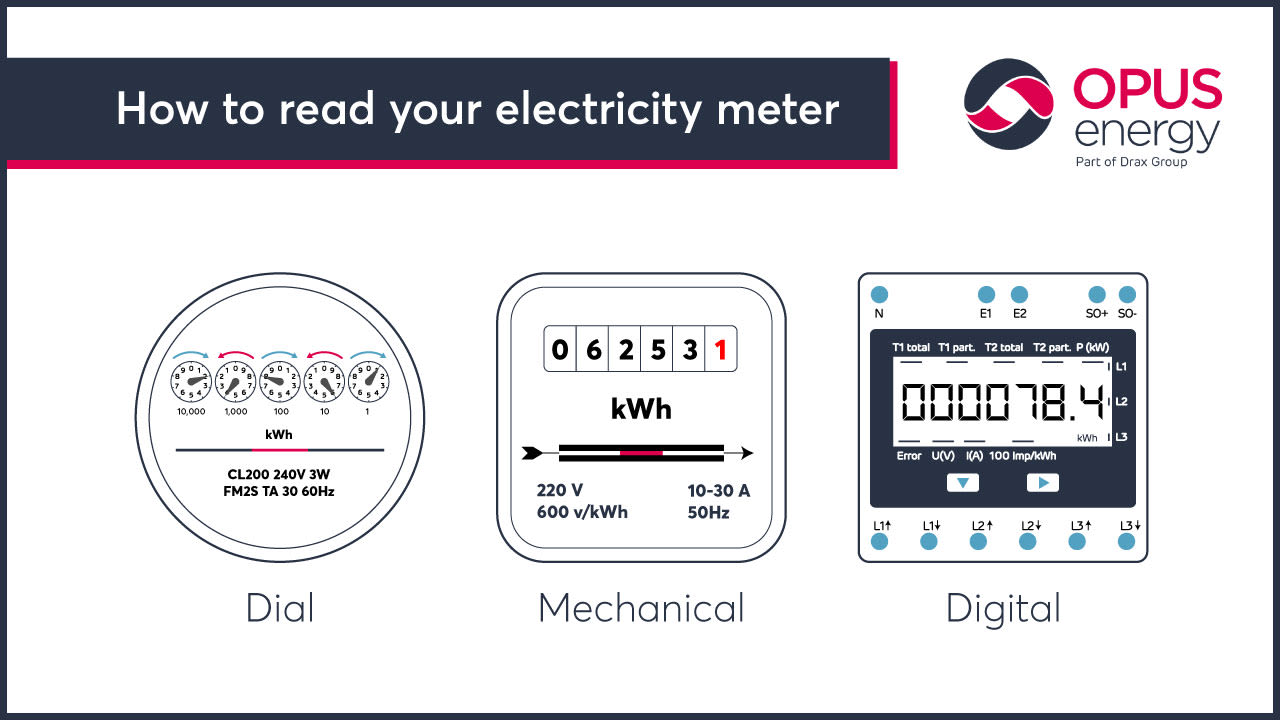
Before you dive in, let's identify your trusty sidekick. Most homes have one of two types:
Digital Meters: The Friendly Numbers
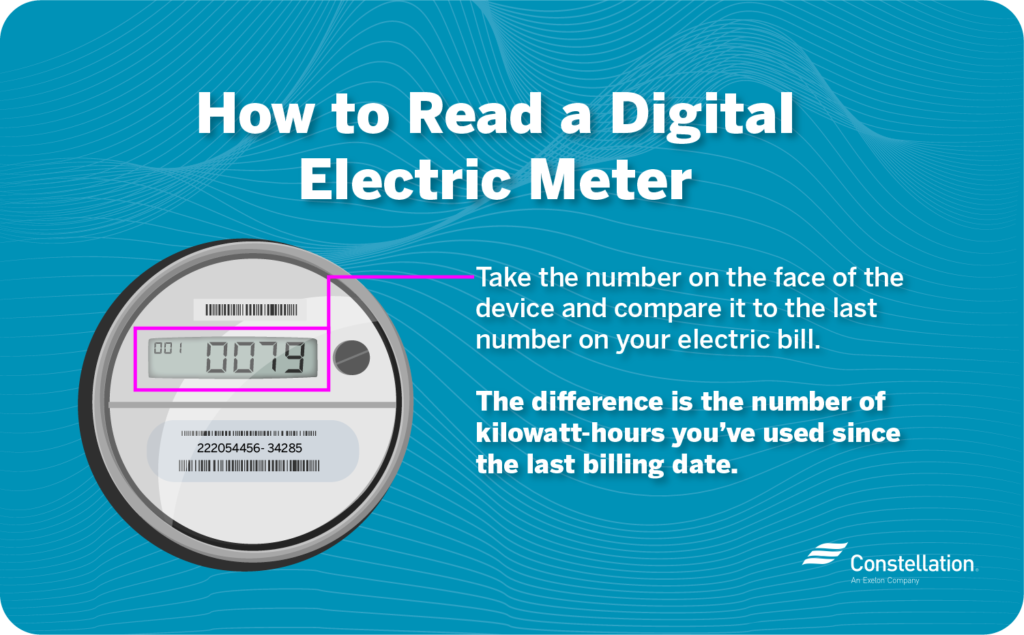
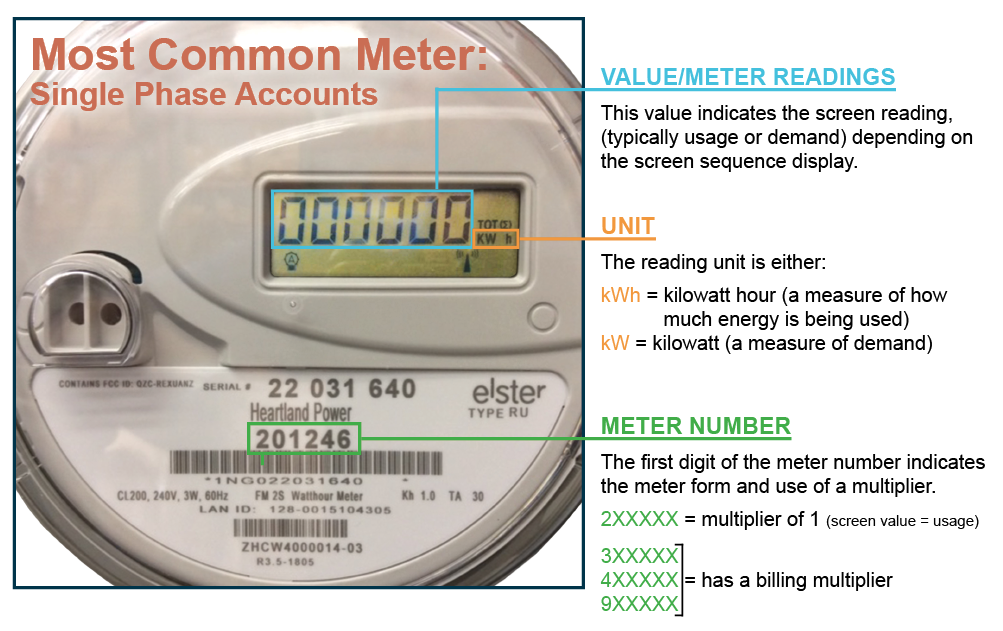
These are the most common and, frankly, the easiest. They're like a digital clock for your electricity, showing clear numbers. Look for a display that cycles through a few different readings. The one you're interested in will usually have "kWh" (kilowatt-hours) next to it. This is your home's total energy consumption. It’s like a car's odometer, tracking how many miles (or kWh) your home has "driven."

Dial Meters: The Classic, Slightly Mysterious Face
These have several small dials, usually four or five. They can look a bit intimidating, but they're perfectly readable once you know the trick! Each dial represents a digit in your total kWh reading. You read them from left to right, always taking the number the pointer has just passed. If a pointer is between 9 and 0, it counts as 9. If it's exactly on a number, look at the dial to its right – if that dial hasn't passed 0 yet, stick with the lower number. It’s a little puzzle, but satisfying to solve!
The Big Secret: The Blinking Light!
Okay, here’s where the real fun begins, especially with digital meters! Look closely at your digital meter. See that little light, often red, that blinks? That's your instant energy heartbeat! Each blink means a tiny unit of energy is being used. A faster blink means more energy is being drawn at that moment, a slower blink means less.
This little blinking light is your gateway to becoming an Energy Detective. Go ahead, try this game:
- First, turn off everything you possibly can in your house. Go to your meter. The light should be blinking very slowly, or perhaps not at all if you've truly unplugged everything but the essentials (like your fridge, which often hums along unnoticed).
- Next, go inside and turn on one specific item – perhaps a powerful one like a hairdryer, a microwave, or an electric kettle.
- Now, rush back to your meter! What do you see? That little light should be blinking much faster! Aha! You've just seen the invisible power draw in action.
This simple trick allows you to identify which appliances are the real energy guzzlers in your home. You'll be surprised what you discover! That old fridge? That gaming console left on standby? Your new understanding will give you the power to make informed choices. It’s like a real-life scavenger hunt, but with valuable insights instead of chocolate coins!
Taking it to the Next Level: Your Energy Journal
Want to become a true Energy Master? Start a simple energy journal. Once a week, or even once a day, jot down the reading from your meter. After a few weeks, you'll start to see patterns. Did your bill spike after you started working from home? Or did it drop after you swapped out those old lightbulbs? This isn't just data; it's your personal progress report, showing you the tangible results of your efforts.
Imagine the satisfaction of seeing those numbers trend downwards, knowing you made that happen. It’s incredibly rewarding, like hitting a personal best in a game or finally completing a challenging puzzle!
Your Energy Adventure Awaits!
So, there you have it! Reading your energy meter doesn't have to be a chore; it can be an exciting journey of discovery, empowerment, and yes, even fun! You're not just reading numbers; you're gaining control, saving money, and making a positive impact on the world around you.
Go on, embrace your inner Energy Whisperer. Take a moment to greet your meter, learn its language, and unlock the secrets it holds. You'll be amazed at what you learn and how much more connected you feel to your home and your power consumption. The adventure has just begun, and the power to make a difference is literally at your fingertips!