
How To Read Your Electric Metre
Alright, superstar! Are you ready to unlock a tiny, yet mighty, superpower right at your fingertips? Forget mind-reading or levitation; we're talking about something far more practical and just as thrilling: the ability to read your very own electric meter! That's right, the mysterious box on the side of your house (or apartment building) that seems to have a secret language is about to become your new best friend. Imagine no more head-scratching over your electricity bill, no more feeling like you're in the dark about your energy usage. Get ready to feel incredibly smart and utterly in control!
Think of it like this: your electric meter is the heart monitor for your home's energy consumption. It diligently tracks every single flicker of your lights, every spin of your washing machine, every bing of your microwave. And understanding it isn't some mythical quest reserved for electricians and energy gurus. Nope, it's for you! So, grab a coffee (or a heroic energy drink), because we're about to demystify this brilliant little contraption with zero fuss and maximum fun!
Unlocking the Mystery: Digital Meters!
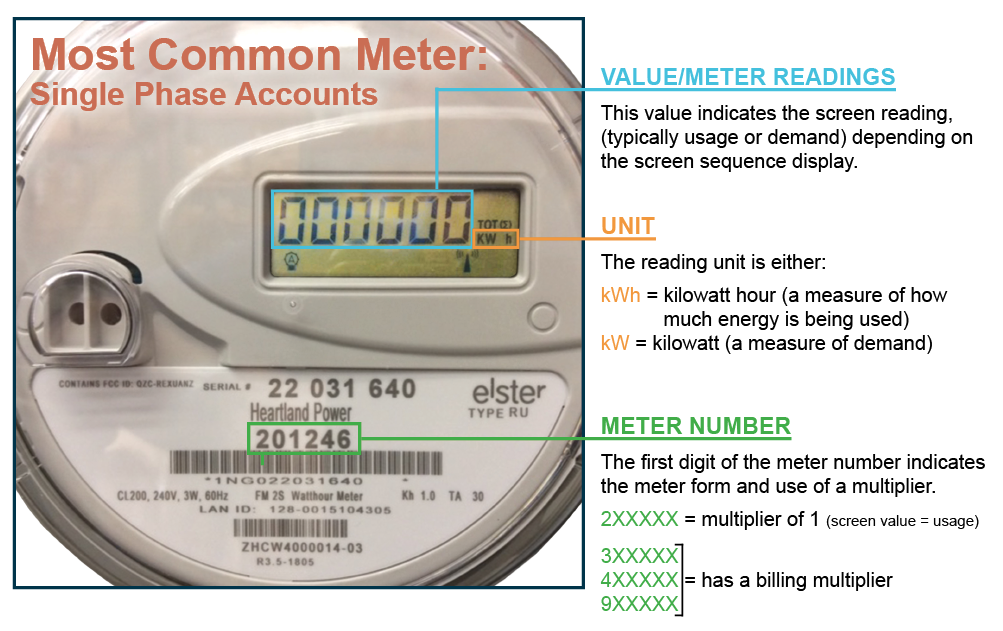
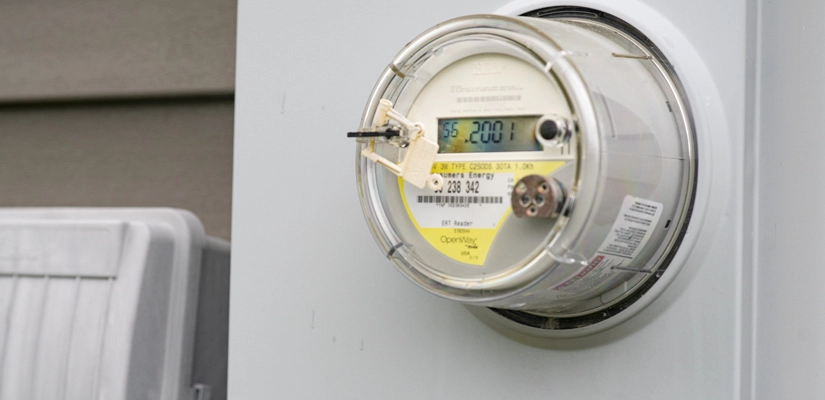
Let's kick things off with the easiest variety, because everyone loves an easy win, right? If your meter is one of the more modern models, you've hit the jackpot! These are the digital meters, and they’re about as straightforward as ordering pizza. You'll see a crystal-clear, illuminated display that looks a lot like a digital clock.
Must Read
All you need to do is look for the numbers. Seriously, that's it! They usually cycle through a few different readings, but what you’re primarily looking for is your total energy consumption, often displayed in kilowatt-hours (kWh). This is the big number, usually followed by the "kWh" label or nothing at all if it's the primary display. Just jot down whatever number is staring back at you when you look. It's usually a solid string of digits, maybe with a decimal point and an extra digit or two, but focus on the main whole numbers. Write it down, and congratulations, you've just read a digital electric meter! You're basically an energy wizard now.
Digital meters are your express lane to energy enlightenment: just read the numbers as they appear on the screen! Easy peasy.
The Grand Old Dials: A Manual Adventure!
Now, if your meter boasts a charming set of spinning dials, welcome to the slightly more adventurous side of meter reading! Don't fret; this isn't rocket science, just a tiny bit of old-school detective work. These are the traditional dial meters, and they have a certain vintage flair, don't you think? Most homes will have four or five small clock-like dials lined up in a row. Each dial represents a digit in your total consumption number.

Step 1: Locate Your Dials
First things first, find your meter. It’s usually on an outside wall of your home. Once you’re there, take a deep breath and marvel at the tiny, intricate dials. You'll typically see numbers 0 through 9 on each dial. Each dial has a little pointer, like a tiny hand on a clock, diligently tracking your energy use.
Step 2: Read from Left to Right (Mostly!)
This is your golden rule for dial meters: always read them from left to right. Imagine you're reading a book, or an incredibly exciting energy report! Each dial contributes one digit to your overall reading. So, if you have five dials, you’ll end up with a five-digit number. Simple, right? Well, almost. There's one tiny twist, but it's nothing you can't handle!
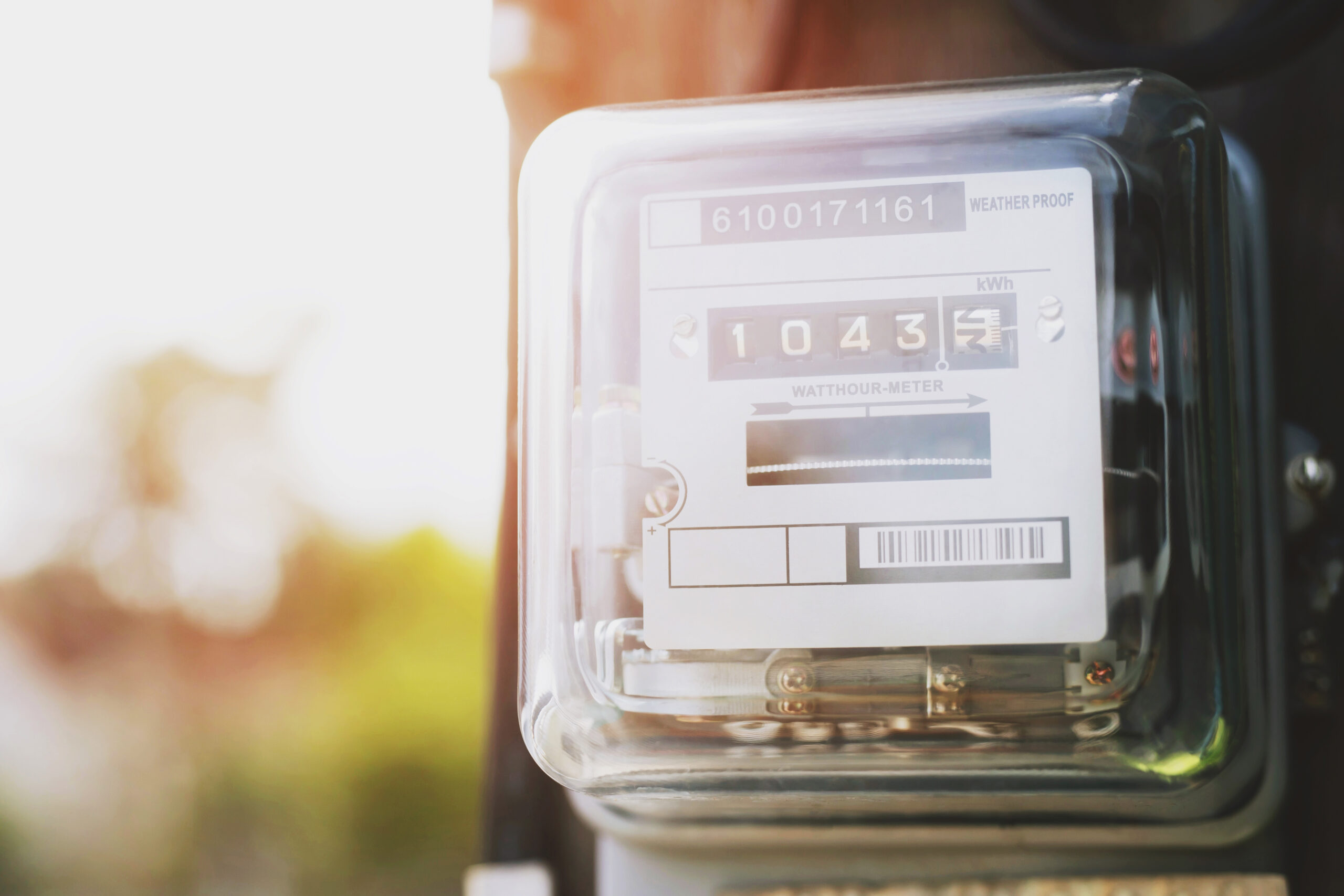
The numbers on the dials alternate in direction. Some dials spin clockwise, others anticlockwise. This is the part that sometimes makes people pause, but once you get it, you’ll feel like you’ve cracked a secret code. Just remember, your ultimate goal is to figure out the lowest number the pointer has passed.
Step 3: The Tricky Bit – Which Way Are They Spinning?
Okay, here’s where the detective hat really comes on. Each dial’s numbers are arranged either clockwise (like a regular clock: 1, 2, 3...) or anticlockwise (the opposite: 9, 8, 7...). But here’s the secret sauce: you always read the number the pointer has most recently passed. If the pointer is directly on a number, say '4', and it looks like it's about to hit '5', then your reading for that dial is '4'. If it's directly on '4' but looks like it's just come from '3', it's still '4'.

The key thing to remember is this: if the pointer is between two numbers, always pick the lower number. So, if it’s between 7 and 8, you record 7. If it’s between 0 and 9 (on an anticlockwise dial, where 9 comes after 0), you record 9. If a pointer is exactly on a number, say 6, you then look at the dial immediately to its right. If the pointer on that right-hand dial has not yet reached 0, then your '6' is actually a '5'. But if the right-hand dial has passed or is on 0, then your '6' really is a '6'. It’s like a tiny, polite deferral to its neighbour!
Pro Tip: When a dial's pointer is exactly on a number, check the dial to its immediate right. If that dial hasn't reached zero yet, deduct one from your current dial's reading. Otherwise, take the number as is!
Step 4: Putting it All Together – Let's Read!
Let's imagine a five-dial meter:
Dial 1 (Leftmost): Pointer between 3 and 4 -> Read 3
Dial 2: Pointer between 8 and 9 -> Read 8
Dial 3: Pointer exactly on 5. Check Dial 4.
Dial 4: Pointer between 0 and 1 (hasn't reached 0 yet) -> So, Dial 3 actually reads 4 (not 5!)
Dial 5 (Rightmost): Pointer between 6 and 7 -> Read 6
Boom! Your reading would be 38466 kWh. You see? It’s just a little bit of careful observation and knowing the rules. Each reading you take is a snapshot of your home’s energy story. You're not just looking at numbers; you're witnessing the silent dance of electrons powering your life!
Why Bother? The Power is Yours!
So, why go through all this delightful effort? Because knowing how to read your meter makes you the expert in your own home! You can track your energy usage between bills, spot unusual spikes that might indicate a hungry appliance (or a forgotten heater!), and even verify your utility bill’s accuracy. It gives you a sense of control and empowerment that simply paying a bill can't provide.
You’re not just a bill payer; you’re an energy observer, a usage tracker, and a savvy homeowner. Take a bow, because you've just gained a fantastic new skill! Go forth and impress your friends, confound your utility company (just kidding, they love it when you know your stuff!), and feel good about being clued in. Happy meter reading!