How To Read An Electric Meter

Alright, buckle up, future energy guru! Are you ready to unlock a superpower you didn't even know you possessed? We're about to transform you from a mere electricity consumer into a bona fide meter maestro, a
Your First Mission: Spot Your Meter!
First things first, you need to find your energy oracle! Most electric meters are typically mounted on the outside wall of your house, often near the main service panel, or sometimes on a pole. They’re usually grey or beige, rectangular, and have a little window. Once you've located it, give yourself a pat on the back. You've already taken the first giant leap into the exciting world of energy enlightenment!
Digital Dazzle: The Easy Mode
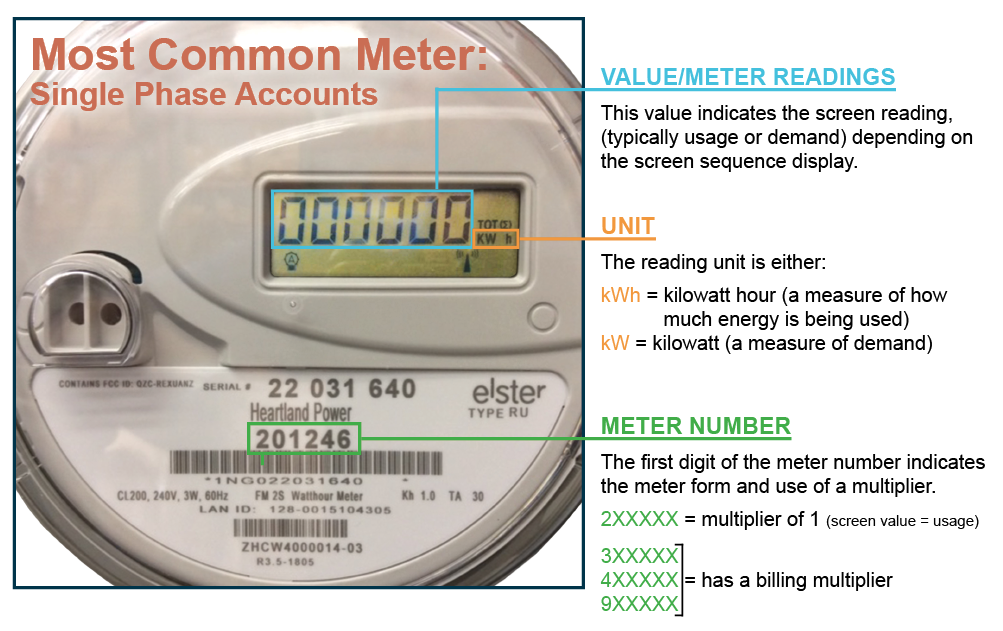
If your meter looks like a futuristic gadget with glowing numbers, congratulations! You've got yourself a digital meter, and reading it is about as complicated as reading your alarm clock. Seriously, it practically shouts its numbers at you! You'll see a series of digits, usually five or six, displayed clearly. This is your current reading in
Must Read
Simply read the numbers from left to right, just like you would a book! No tricks, no secret codes, just pure, unadulterated numerical honesty.
Sometimes a digital meter might cycle through a few different readings (like time, date, or a test display). Just wait a few seconds, and it will loop back to the primary energy usage display, which is your
Analog Adventure: The Old-School Cool
Now, if your meter features a fascinating array of tiny spinning dials with little hands, welcome to the world of the analog meter! Don't let the retro charm intimidate you; this is where you earn your energy-sleuth badge. It's like cracking a secret code, but a really friendly one!

Dial by Dial: The Art of the Pointer
Most analog meters have four or five small dials, typically alternating between spinning clockwise and counter-clockwise. Each dial represents a digit in your total
When a hand is between two numbers, always read the lower number.
Let's walk through it, dial by glorious dial, from left to right:

- First Dial (far left): This one reads from 0 to 9, usually clockwise. If the hand is between 3 and 4, you read it as 3. If it's precisely on a number, say 5, you read 5. Easy peasy!
- Second Dial: This one usually reads counter-clockwise. If the hand is between 6 and 7, you read it as 6. If it’s right on a number, like 8, you read 8.
- Third Dial: Back to clockwise! If the hand is between 1 and 2, you read it as 1. See how we're doing this?
- Fourth Dial: Counter-clockwise again. Between 9 and 0? That’s a 9! (Because 0 comes after 9 in the sequence).
- Fifth Dial (if you have one): Typically clockwise. Between 4 and 5? That's a 4!
Remember, the
The Big Reveal: Calculating Your Usage
So, you’ve got your numbers! Whether it's from your digital display or your carefully deciphered analog dials, you now have a
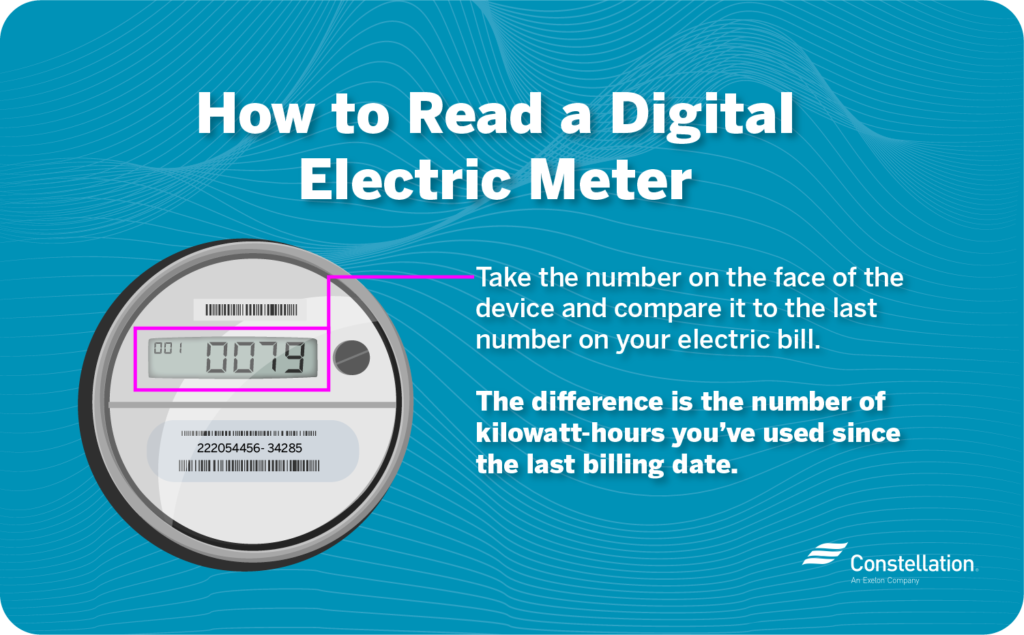
- Your current reading (the one you just took).
- Your previous reading (from your last bill, or a reading you took yourself a while ago).
The magic formula is ridiculously simple:
Current Reading - Previous Reading = Total Kilowatt-Hours (kWh) Used!
Ta-da! You've just calculated your own energy consumption! This number is what your electric company uses to bill you. You are now armed with knowledge, a true
Why Bother, You Ask?
Because knowledge is power... literally! Knowing how to read your meter gives you incredible insights. You can track spikes in usage, pinpoint energy guzzlers, and even verify your bill. Imagine the satisfaction of saying, "Aha! I know exactly why my bill was higher this month – it was that rogue space heater!" You’ll feel like a bona fide energy detective, making smarter choices, and maybe even saving a few bucks. Go forth, my friend, and conquer your kWh!