
How To Read An Electric Bill
Alright, settle in, grab a comfy mug of whatever you like, because we're about to embark on a little adventure. An adventure not through ancient ruins or mystical forests, but through something far more common, yet often just as mysterious: your electric bill.
I know, I know. Your eyes just glazed over a little, didn't they? The electric bill usually gets a quick glance at the "amount due" and then a swift mental filing under "ugh, adulting." But what if I told you it's actually a pretty fascinating document? What if it's less of a chore and more like a secret map to understanding your home, your habits, and maybe even saving a little cash?
Think of it this way: your electric bill isn't just a demand for money. It's a story. It tells the tale of how your toaster helped you start your day, how your fridge kept your snacks cold, and how your favorite binge-watching session lit up your living room. And like any good story, it has different chapters, characters, and a grand total at the end.
Must Read
Why Bother Peeking Behind the Curtain?
You might be thinking, "Ignorance is bliss, right?" Not always! Understanding your bill is like getting the secret cheat code for your home's energy consumption. It can help you:
- Save Money: Spotting trends and understanding charges can reveal ways to cut down.
- Feel Empowered: No more mystery charges! You'll know exactly what you're paying for.
- Be Greener: A clearer picture of your energy use can help you make more environmentally friendly choices.
Ready? Let's decode this beast, piece by fascinating piece!
The Cast of Characters: Your Basic Info
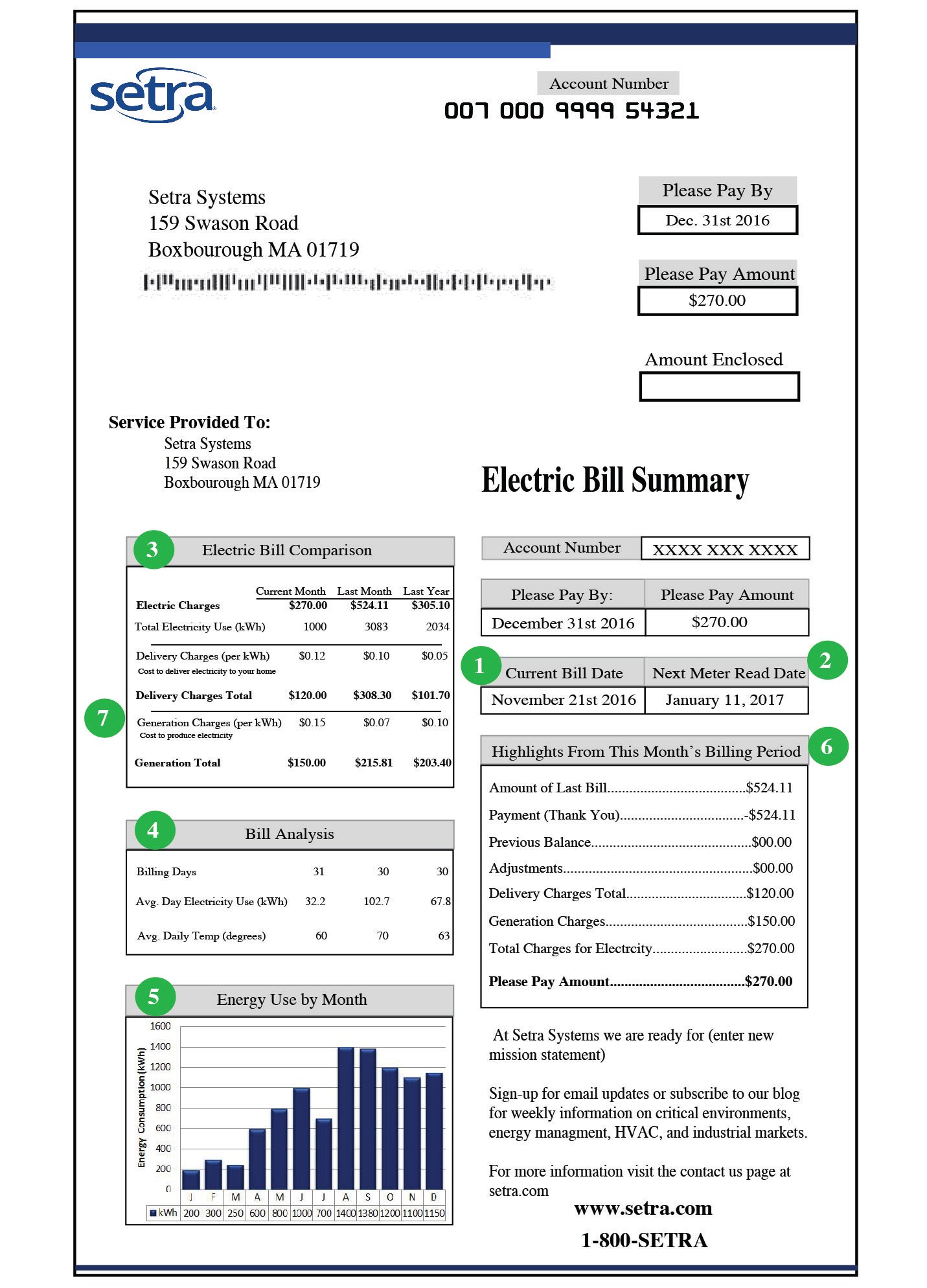
This is usually right at the top, pretty straightforward. Your name, address, account number, and the service address (which might be different if you pay for someone else's bill). Consider this the "cover page" of your energy story. Not super exciting, but essential!
The Time Warp: Your Service Period
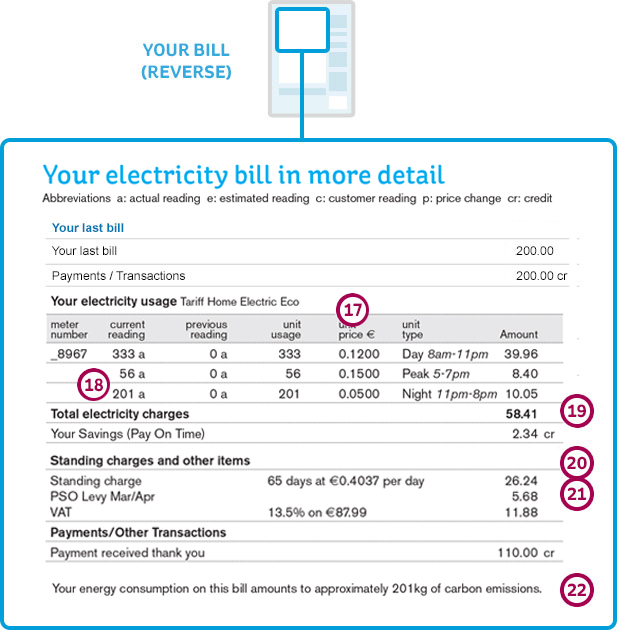
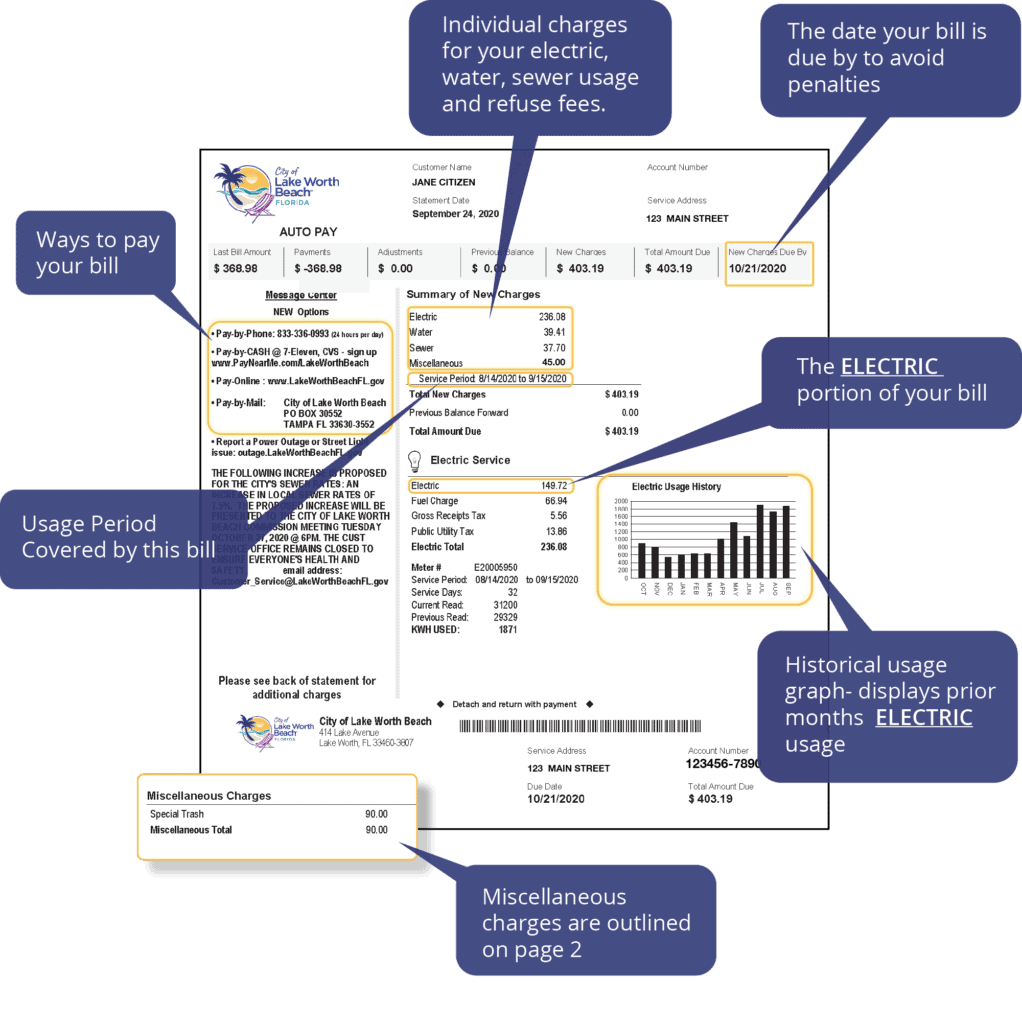
Look for the dates, usually something like "Billing Period: January 15 - February 14." This is super important because it tells you exactly when the energy usage on this bill occurred. It's like the date stamp on a photo – it gives context to the picture. If your bill is unusually high, this date range helps you remember if you hosted a huge party or had the AC blasting during a heatwave.
The Star of the Show: Your Energy Usage (kWh)
This, my friends, is where the magic happens. You'll see a number followed by kWh. That stands for kilowatt-hour. Don't let the big words scare you! Think of a kWh like a "unit" of electricity. It's how your utility company measures how much energy you've consumed. Imagine a 100-watt light bulb running for 10 hours – that's 1 kWh.
So, if your bill says you used 500 kWh, it means you used the equivalent energy of that 100-watt bulb running for 5,000 hours! Suddenly, those numbers feel a little more tangible, right? Your goal, often, is to become a kWh-saving ninja!
The Price Tag: Your Rate or Tariff
This section explains how much your utility charges you per kWh. It might be a simple flat rate, or it could be more complex. Some companies use "Time-of-Use" (TOU) rates, meaning electricity costs more during peak demand hours (like weekday afternoons) and less during off-peak hours (like nights and weekends). This is where understanding your bill can really pay off!

If you have TOU rates, you can become an energy strategist, planning your laundry or dishwashing for cheaper times. How cool is that? You're literally playing the energy market from your living room!
The Two Towers: Supply vs. Delivery
This is where things can sometimes get a little confusing, but it's actually pretty logical. Many bills separate charges into two main categories:
Supply (or Generation): This is the cost of the actual electricity itself – the juice powering your home. Think of it like paying for the actual groceries you put in your cart.
Delivery (or Transmission/Distribution): This is the cost of getting that electricity from the power plant all the way to your home through poles, wires, and transformers. This is like paying the delivery driver and for the maintenance of the roads they drive on. You gotta get those groceries home, right?
Understanding this split helps you see what factors influence different parts of your bill. Sometimes you can even choose your "supplier" independently, but your "delivery" company usually remains the same.
The Baseline: Fixed Charges & Fees
Even if you used zero electricity for a month (which is nearly impossible unless you're living off-grid!), you'd likely still see some charges. These are fixed charges, often called a "Customer Service Charge" or "Basic Service Fee." Think of it like a monthly membership fee to be connected to the grid. It covers the cost of maintaining your meter, customer service, and the general infrastructure.
The Extras: Taxes & Other Adjustments
Just like almost everything else, your electricity usage is subject to taxes. There might also be other regulatory charges or surcharges that help fund specific programs or infrastructure upgrades. These are usually clearly itemized, but you might need a magnifying glass to read the fine print!

The Grand Total: Amount Due
And finally, the number you usually jump to! Now that you've journeyed through all the sections, this number should feel less like an arbitrary demand and more like the sum of all the energy choices and services you've consumed over the past month. You're no longer just paying; you're understanding.
Bringing It All Together: Your Energy Story
Many electric bills also include handy graphs that show your usage over time – month-to-month or even year-to-year. These are fantastic! They can show you patterns:
- Do you spike in the summer because of AC?
- Is winter heating your biggest drain?
- Are there any mysterious spikes that need investigating? (Did someone leave the sauna on?)
Looking at these trends is like being an energy detective, uncovering clues about your home's behavior. It’s actually quite cool to see your daily life reflected in lines and bars!
So, the next time your electric bill lands in your inbox or mailbox, take a moment. Instead of groaning, approach it with a little curiosity. See it not as a bill, but as a detailed report card from your home, an opportunity to understand, to save, and to feel a little more in control of your own energy story. You might just find that reading your electric bill isn't a chore at all, but a surprisingly empowering experience.