
How To Read A Welding Symbol
Imagine a hidden message, etched onto blueprints, telling a story only a select few can understand. These aren't ancient hieroglyphs or cryptic runes, but something far more practical and just as fascinating: welding symbols. They are the secret handshake of the metal fabrication world, a universal language that speaks volumes without uttering a single word. Learning to read them is like gaining access to a thrilling, industrial secret society.
Every bridge, every skyscraper, every car you see has parts held together by welds. And behind every perfect weld is a carefully designed instruction, often written in this clever symbolic shorthand. It’s a bit like being a detective, piecing together clues to reveal the hidden strength and artistry holding our modern world together.
So, what makes these mysterious marks so special and, dare we say, entertaining? It's the sheer elegance of their design and the incredible amount of information they pack into such a tiny space. They're a masterclass in efficient communication, a visual poem for metal.
Must Read
The Secret Life of a Weld
Think of a welding symbol as a concise recipe for joining metal. It tells the welder exactly what kind of weld to make, where to put it, how big it should be, and even how it should look when finished. Without these symbols, projects would be a chaotic mess of misunderstandings, leading to weak structures and costly errors.
This universal language ensures that a welder in Tokyo can understand the same instructions as a welder in Texas. It's truly a global code, bridging continents and cultures through the shared craft of metal joining. That's pretty cool, right? It makes the world a smaller, more connected place.
Deciphering a welding symbol feels like cracking a code, a puzzle waiting to be solved. There’s a wonderful satisfaction in looking at a complex symbol and suddenly understanding its entire story. It transforms a jumble of lines and shapes into clear, actionable instructions.
Meet the Main Characters: The Reference Line and the Arrow
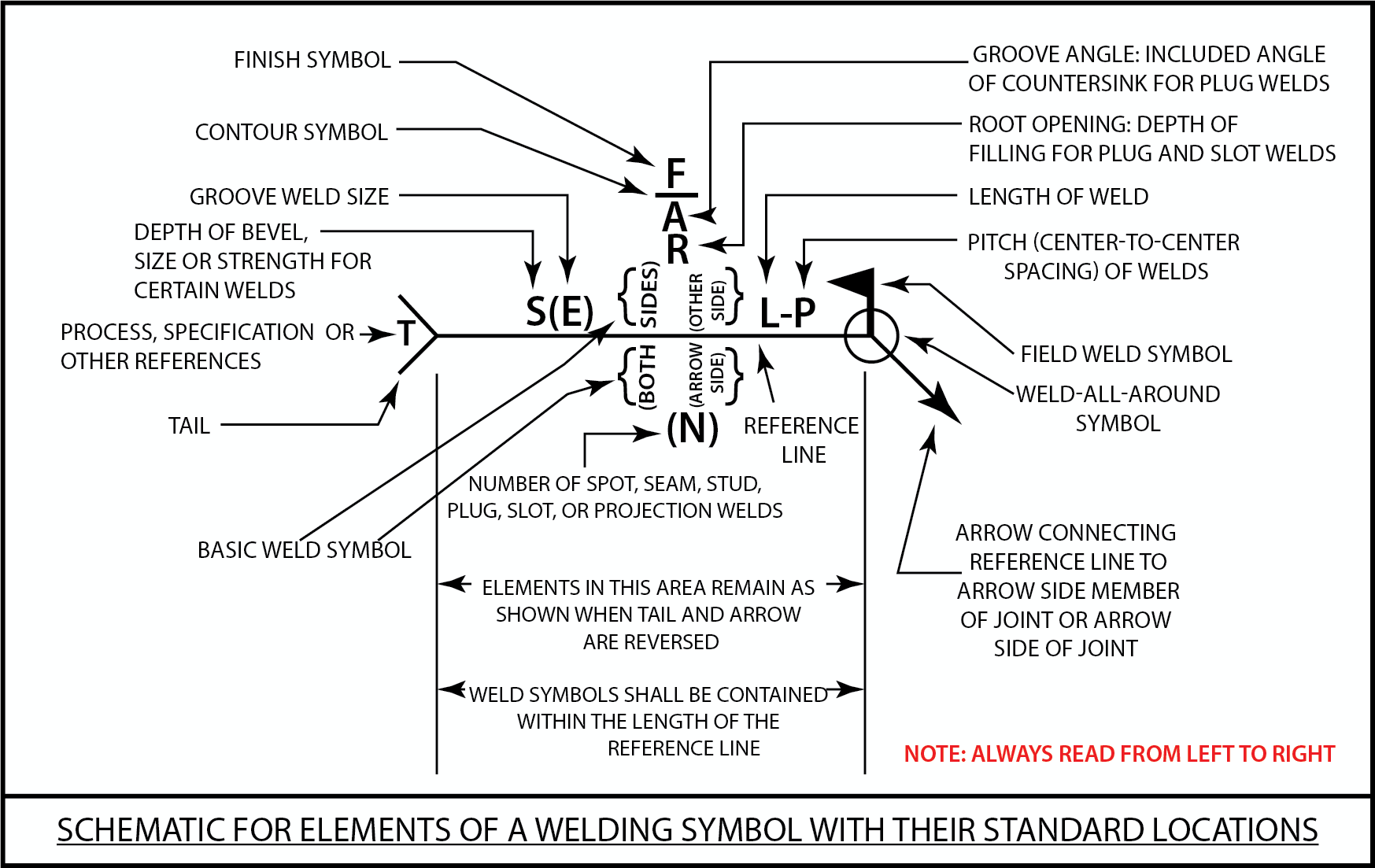
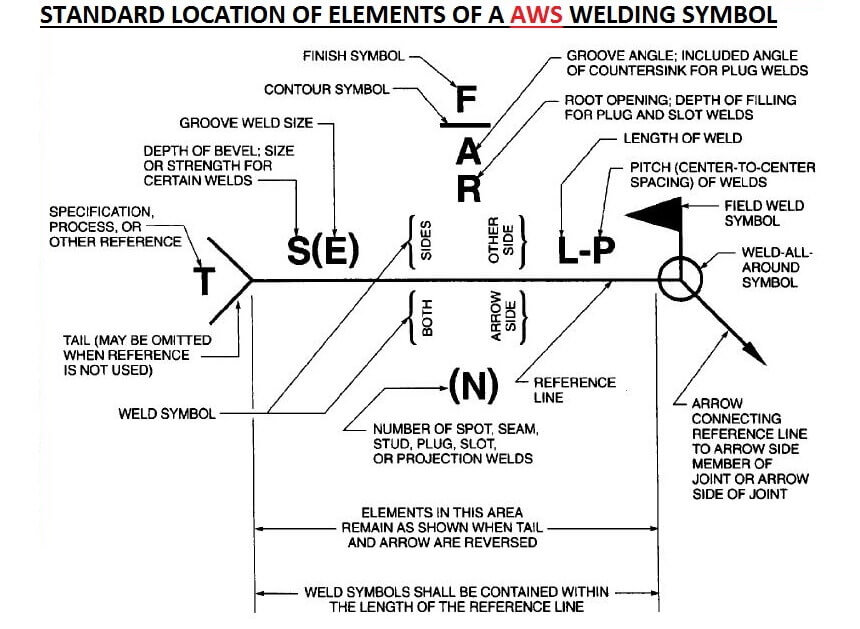
Every good story has its main characters, and welding symbols are no different. The two most important players you'll meet are the reference line and the arrow. The reference line is that horizontal line, like the spine of the symbol. It’s where all the detailed information hangs out.

Then there's the arrow. This pointy friend connects the reference line to the specific joint on the drawing where the weld needs to be made. It's literally pointing the way, saying, "Hey, weld right here!" It’s a straightforward guide in a world that can sometimes seem complex.
These two components form the bedrock of every welding symbol. They are the foundation upon which all other intriguing details are built. Imagine them as the "Once upon a time..." of our metal story.
"Learning to read welding symbols is like gaining access to a thrilling, industrial secret society."
Above and Below: The Weld's Location
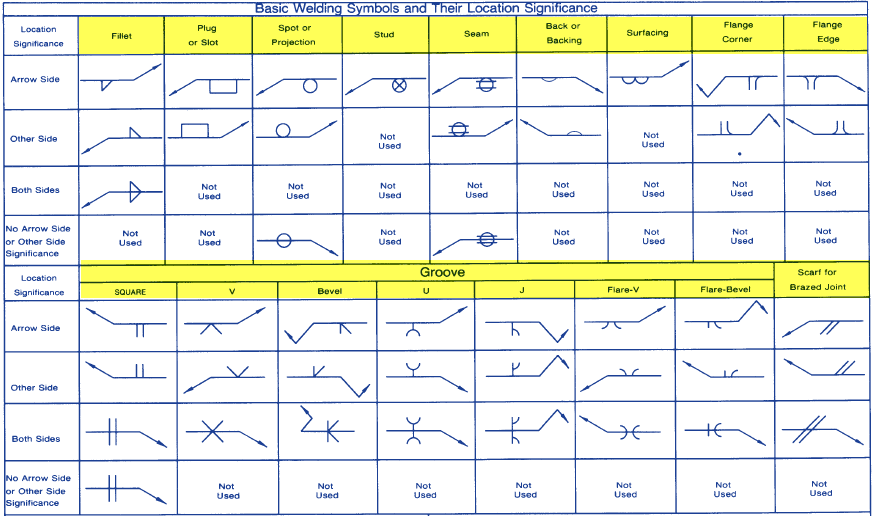
Now, here’s where the plot thickens slightly, but still remains wonderfully simple. If a weld symbol (a little drawing representing the type of weld) is placed below the reference line, it means the weld goes on the "arrow side" of the joint. Think of it as directly opposite where the arrow is pointing.
Conversely, if the weld symbol appears above the reference line, the weld is to be made on the "other side" of the joint. It's a clever way to indicate front and back, near and far, without needing a lot of extra words or confusing drawings. This simple rule is key to avoiding costly mistakes.
This above/below rule is like a magical switch that tells the welder precisely where to aim their torch. It’s a genius shortcut that prevents endless questions and ensures everyone is literally on the same page. It's one of those elegant solutions that makes you appreciate the cleverness of engineering.
The Language of Shapes: What Kind of Weld?
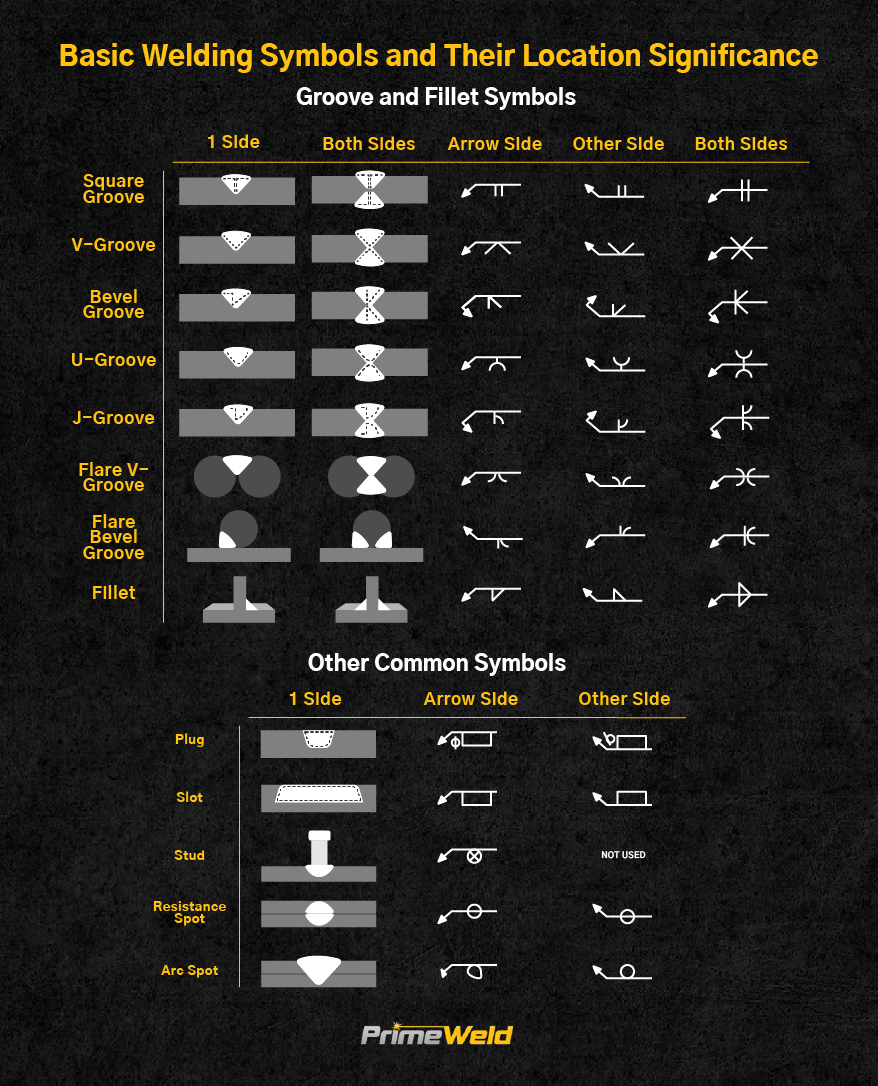
Beyond location, welding symbols also use little pictorial representations to show the type of weld needed. The most common one you'll encounter is the fillet weld, which looks like a small triangle. This shape tells the welder to create a triangular-shaped bead of metal in a corner joint.
Then there are groove welds, which have various symbols that look like different cuts or preparations in the metal, such as a "V" shape or a "U" shape. These indicate that the edges of the metal need to be shaped a certain way before welding, creating a stronger bond. Each shape tells a unique part of the story.
These mini-icons are fascinating because they abstract complex physical forms into simple, memorable drawings. It’s like a shorthand art class, where each stroke conveys a specific, vital instruction. Learning these shapes is like learning the alphabet of metal joining.
"Every bridge, every skyscraper, every car you see has parts held together by welds. And behind every perfect weld is a carefully designed instruction."
Beyond the Basics: Adding Flavor to the Recipe
Just like a chef adds spices to a recipe, welding symbols include extra bits of information to fine-tune the instructions. Numbers might appear to indicate the weld’s size or length. A small circle at the intersection of the arrow and reference line might mean the weld should go all the way around the joint.
There are also symbols for how the weld should look when finished, like whether it should be flat, convex (curved outwards), or concave (curved inwards). These finishing touches ensure not just strength, but also aesthetics and functionality. It's a testament to the fact that welding is both a science and an art.
These small additions transform a simple instruction into a highly detailed command. They showcase the incredible precision required in modern manufacturing. It's truly amazing how much crucial information can be conveyed with just a few lines and shapes on a blueprint.
Why It's So Entertaining and Inspiring
The entertainment value of welding symbols isn't just for welders or engineers. For anyone curious about how the world is built, understanding these symbols offers a peek behind the curtain. It's like learning the secret language of the builders and creators who shape our environment.
It’s also deeply satisfying because it connects abstract symbols to tangible, physical results. You see a symbol on a drawing, and then you can imagine the precise act of welding, the molten metal flowing, and the strong joint taking shape. It brings the drawing to life in a very real way.
This skill fosters a deeper appreciation for the meticulous planning and incredible craftsmanship involved in everything from your garden gate to colossal offshore oil rigs. It’s a reminder that even the smallest details often hold the greatest importance.
Learning to read welding symbols is also a fantastic brain exercise. It challenges you to think spatially, to interpret visual cues, and to understand complex instructions in a simplified format. It's a mental workout that offers a clear reward: knowledge and understanding.
Moreover, it fosters a sense of empowerment. Suddenly, those baffling lines on an engineering drawing make sense. You're no longer just looking at squiggles; you're reading a story of construction, strength, and meticulous design. It’s a fantastic feeling of empowerment.
The standardized nature of these symbols means that once you learn them, you've unlocked a universal key. This key can open doors to understanding fabrication processes worldwide, making it a truly valuable and versatile skill. It's a bit like learning Latin, but for metal.
So, next time you see a metal structure, whether it’s a park bench or a towering crane, remember the hidden language that guided its creation. Those invisible instructions, communicated through precise welding symbols, ensure its strength, safety, and longevity. It's a quiet testament to human ingenuity.
Perhaps you're now feeling a spark of curiosity, a desire to dig a little deeper into this intriguing world. There are many great resources online and in libraries to help you start deciphering these fascinating marks. You might just discover a new appreciation for the building blocks of our world.
Who knew that a few lines and shapes could hold such power, tell such detailed stories, and connect so many people across the globe? Welding symbols are a wonderful example of how clear communication, even in its most compact form, drives progress and builds our future. They're definitely worth checking out!