
How To Protect Your House From Wildfires
The Surprising Secret to Wildfire Protection: Your Home's Inner Ninja
You love your home, don't you? It's your sanctuary, your happy place, probably filled with comfy couches, cherished memories, and maybe even a slightly over-enthusiastic succulent collection. But imagine a wildfire sniffing around. Scary thought, right? Well, here's the surprising secret: protecting your home isn't about having a giant fire hose in the backyard. It's actually a bit like a friendly game of tidying up, turning your house into a wildfire-resistant ninja fortress, one thoughtful step at a time.
Most people picture huge flames licking at their walls, but that's often not how homes catch fire. The real culprit? Tiny, sneaky bits of glowing debris called embers. Think of them as miniature, fiery dandelion seeds, floating on the wind, looking for a cozy place to land and start a little blaze of their own. They can travel for miles, silently sneaking into nooks and crannies. This is where your inner ninja comes in, making sure your home is inhospitable to these fiery invaders.
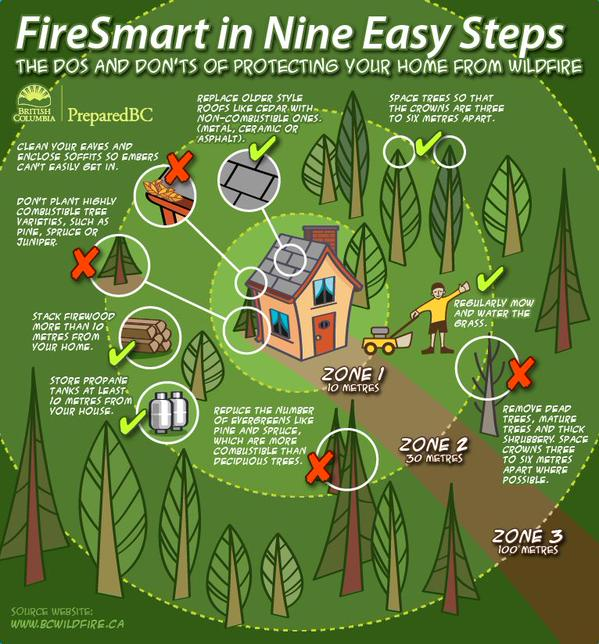
Zone 1: The "No Flammable Snacks" Zone (0-5 feet)
This is the ultimate "no junk food" zone for your house. Imagine the first 5 feet directly around your home. This is where you want nothing flammable. It's the simplest, most effective, and often the most overlooked line of defense. That cute wooden bench right by the door? Your dry welcome mat? Those beautiful, but potentially crunchy, shrubs right up against the wall? They're like little matchsticks waiting for an ember to strike.
Must Read
"My neighbor thought his green lawn was enough," recounted one homeowner with a chuckle, "but an ember landed on his doormat, and suddenly his 'welcome' was a little too warm! Now he has a stone entry. Much safer, and surprisingly chic."
Swap out bark mulch for gravel, pavers, or even just bare earth. Keep plants here short, well-watered, and non-flammable. Think succulents, rocks, and hardy groundcovers. It’s like giving your house a clean, short haircut right at the scalp – no stray hairs for fire to grab onto.
Zone 2: The "Lean, Clean, and Green" Zone (5-30 feet)
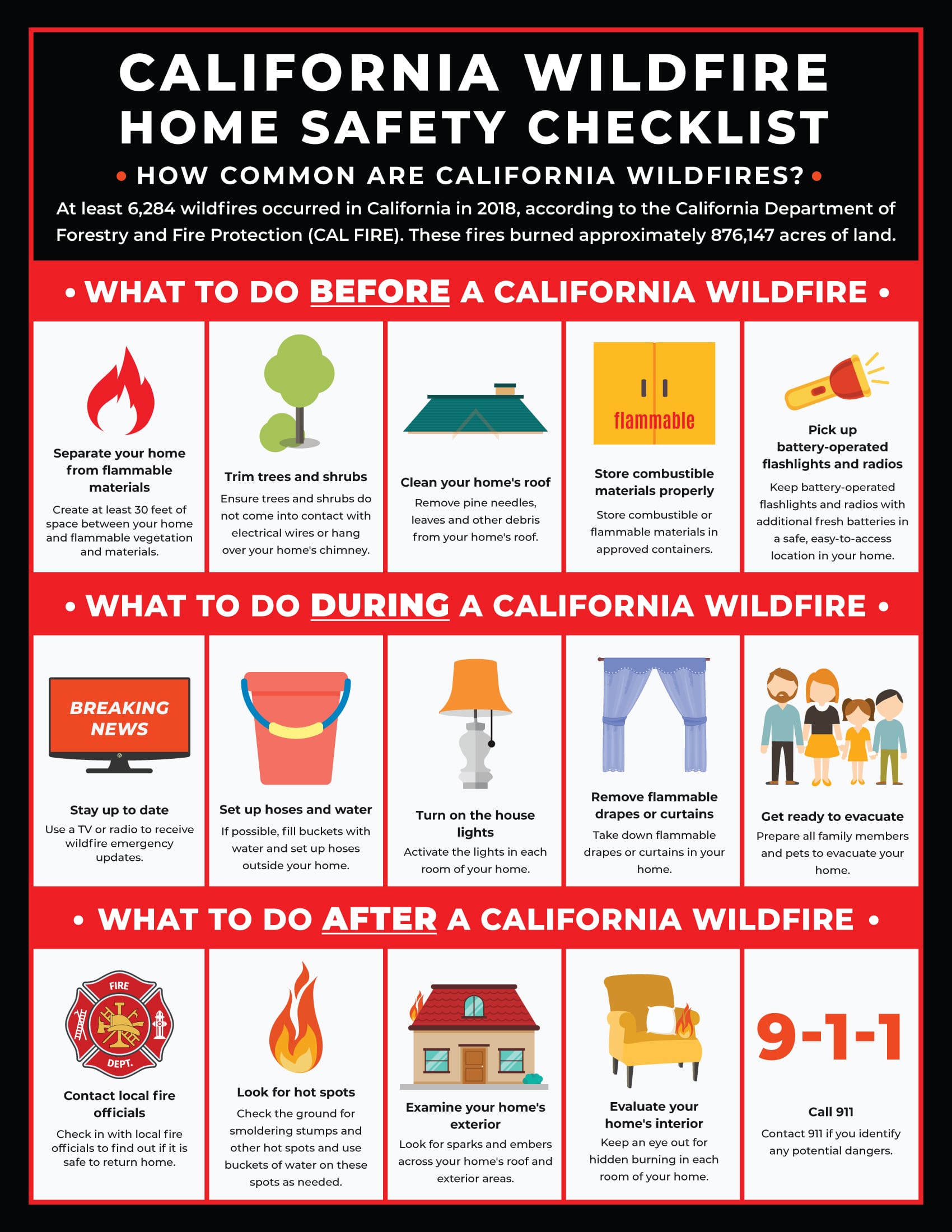
From 5 to 30 feet, this is your yard's garden party zone, but instead of fancy tablecloths, it's getting a serious haircut and a good rake-over. Here, you want to keep everything "lean, clean, and green." That means regular pruning, raking up dead leaves and needles, and keeping your grass mowed short. Your trusty lawnmower isn't just for curb appeal; it's a silent guardian, turning dry tinder into a less appealing snack for fire.
A surprising hero here? Your gutters! Full of dry leaves and pine needles, they're practically a VIP lounge for embers. Cleaning them out regularly is a simple act of love for your home. One time, my friend Brenda, who usually dreads yard work, actually made a game out of it with her kids. "Whoever finds the most leaves in the gutter wins ice cream!" she declared. Suddenly, gutter cleaning became a treasured family activity, and her home was better protected in the process.

Zone 3: The "Thin It Out" Zone (30-100 feet)
Beyond 30 feet and stretching out to 100 feet, this is where you "thin it out." It’s about creating space between trees and shrubs, removing smaller, easily ignitable plants, and getting rid of any "ladder fuels" – those smaller plants that can carry fire from the ground up into the tree canopy. It's less about clear-cutting and more about thoughtful landscaping. Imagine giving your trees some elbow room, allowing them to breathe without fear of touching their neighbors. This is where community efforts really shine. Neighbors helping neighbors prune back branches, sharing equipment, and turning a daunting task into a friendly block party.
The House Itself: Your Ember-Proof Fort
While clearing around your house is crucial, don't forget the house itself! Your roof, for instance, is a prime landing strip for embers. A roof made of fire-resistant materials like tile, metal, or asphalt shingles is a huge plus. But even a regular roof needs help: make sure there are no piles of pine needles or leaves in valleys or gutters. And those little vents under your eaves or in your foundation? They're like tiny doors for embers. Installing 1/8-inch metal mesh screens over all vents can be a surprisingly effective superhero move, turning your house into an ember-proof fort.
It sounds like a lot, but each step is surprisingly easy and often quite satisfying. It’s about being proactive, not reactive. It's not about fearing wildfires, but about empowering yourself and your home to stand strong. So go on, grab those rakes and pruners, get those gutters clean, and turn your beloved home into the ultimate wildfire-resistant ninja, ready to gracefully deflect any fiery challenges that come its way. Your house will thank you, and you'll sleep a little sounder knowing you've given it the best protection possible.

