How To Measure Weld Fillet Size
Ever look at a big, towering building or a sturdy metal bridge and wonder about the tiny details holding it all together? It’s not just big bolts! A lot of it comes down to amazing welds. These aren't just pretty lines of metal. They are crucial connections. And there’s a super cool, oddly satisfying skill involved in making sure they're just right: measuring their size. Yes, really!
You might think, "Measuring welds? Sounds like a snoozefest!" But hold on. It’s actually like being a detective for metal. You're ensuring everything is strong, safe, and exactly as it should be. It’s about precision. It’s about quality. And it's a peek into a world where tiny differences make a giant impact. Plus, the tools involved are surprisingly neat, almost like specialized secret agent gadgets.
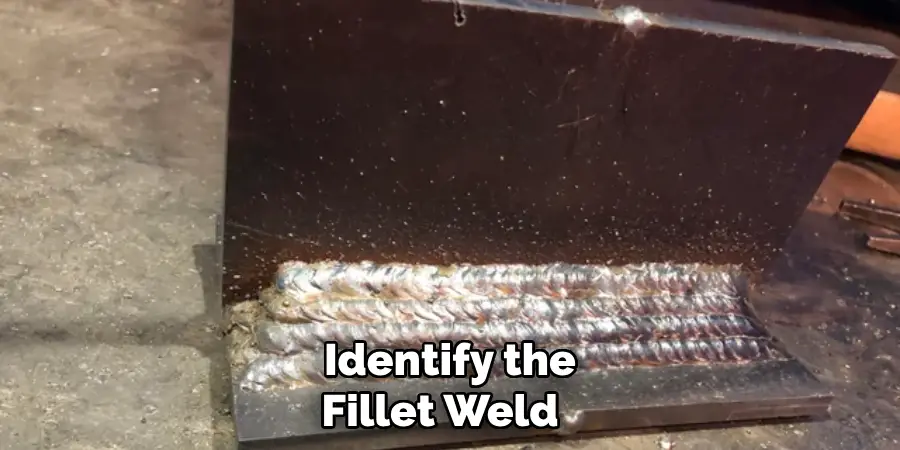
We're talking about something called a weld fillet. Imagine two pieces of metal joined at an angle, like a corner. The weld fills that corner, making a triangular shape. This triangle isn't just for show. Its size determines the entire connection's strength. If it’s too small, it might break. If it’s too big, it’s a waste of material and time. So, how do these metal maestros know it's perfect?
Must Read
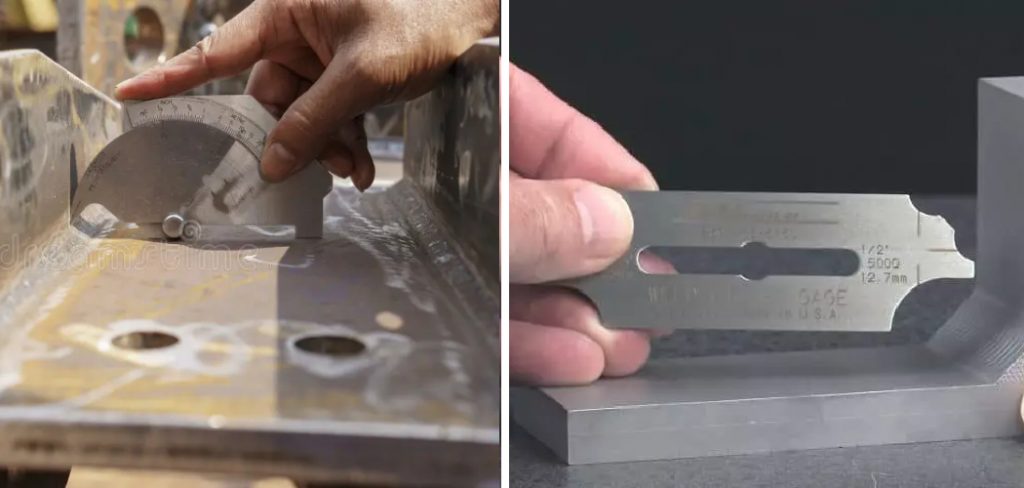
This is where the magic of the weld gauge comes in! These aren't your average rulers. They are specially designed pieces of metal, often with various little notches and edges. Each notch is a specific size. It's like having a set of keys, but instead of opening doors, they "unlock" the secret of a weld’s dimensions. They are robust, simple, and incredibly effective.
The Great Fillet Adventure: Leg and Throat
When you measure a weld fillet, you're looking for two main things: the leg size and the throat size. Don't worry, these aren't scary technical terms. The leg size is basically how far the weld reaches along each piece of metal it connects. Imagine the two sides of that triangle. You want those legs to be just right.
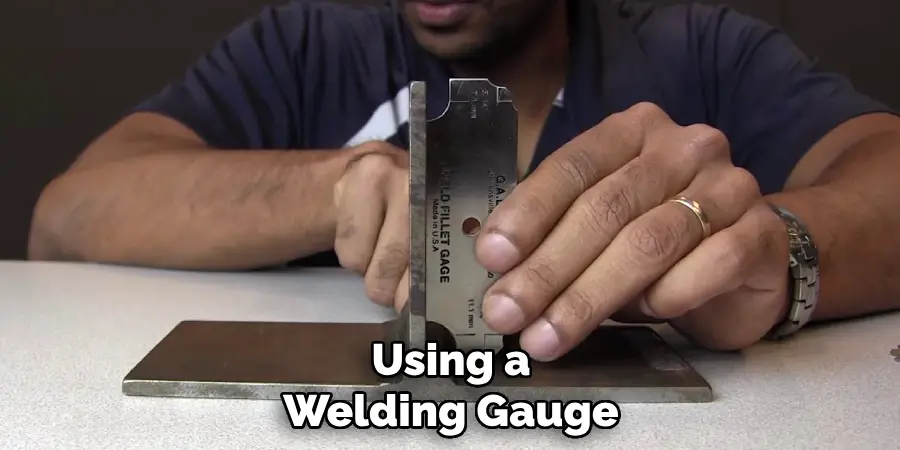
Measuring the leg size is a wonderfully tactile experience. You take your chosen weld gauge. Let's say it's designed to check for a 1/4-inch weld. You place the gauge's "leg" right against the weld. Does it fit perfectly? Is there a gap? Is the weld bigger than the gauge? The moment it slides into place with no gaps, it’s a tiny victory. You’ve just confirmed a critical dimension. It’s surprisingly satisfying, like solving a mini-puzzle.
"It's like finding the perfect fitting piece in a high-stakes jigsaw puzzle. No wiggle room, no guessing!"
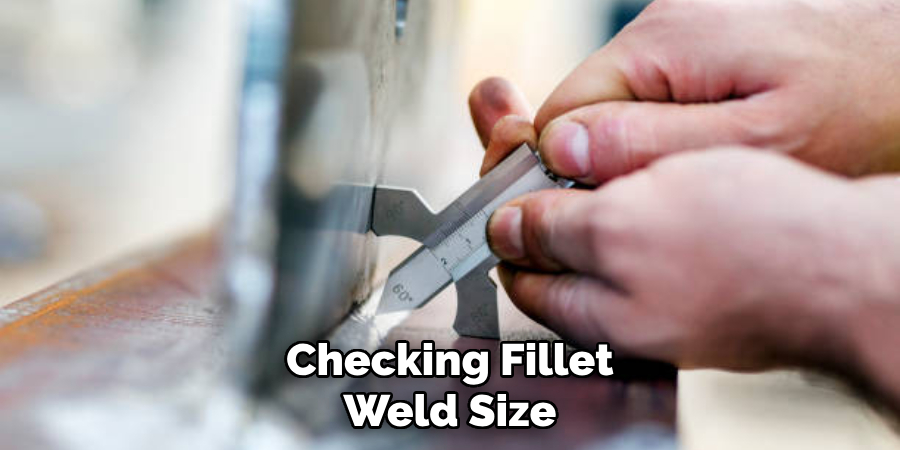
Then there's the throat size. This is a bit trickier to visualize but equally important. Think of it as the shortest distance from the "root" (the very bottom point of the weld triangle) to its "face" (the outer surface of the weld). It’s the true measure of the weld's cross-sectional strength. Some weld gauges even have little arms or pointers to measure this. It's an elegant dance of angles and lines. You align the gauge, and it tells you if the critical core of the weld is strong enough. It feels incredibly clever.
Why It's So Engaging and Special
So, what makes this whole process so special? First, it’s the sheer tangibility of it. You're holding a tool, touching the metal, and getting an immediate, physical answer. There's no guessing. Second, it's about connecting with a fundamental aspect of engineering and construction. Every time you see a metal structure, remember that someone performed this exact, precise check.
It’s also an appreciation for hidden craftsmanship. Welders aren't just melting metal; they're sculpting it to incredibly tight tolerances. And measuring a weld fillet is the final, satisfying check on that artistry and skill. It’s a moment of truth. Knowing how to do it, or just seeing it done, gives you a new appreciation for the unseen work that keeps our world standing firm.
It's truly a unique blend of art and science. The simple act of fitting a gauge to a weld offers a quiet thrill. It's the thrill of confirmation, of precision, and of contributing to something structurally sound. Next time you encounter a welded piece of metal, maybe take a closer look. And perhaps even search for images of weld gauges. You might just find yourself captivated by this wonderfully precise, utterly essential skill!