How To Measure The Brightness Of A Light Bulb
Hey there, bright spark! Ever wondered just how bright that light bulb you're staring at really is? Like, is it mood lighting or disco ball material? Measuring light might sound intimidating, but trust me, it's easier than assembling IKEA furniture (and arguably more rewarding!). Let's dive in, shall we?
What Are We Measuring Anyway? Lumens vs. Watts!
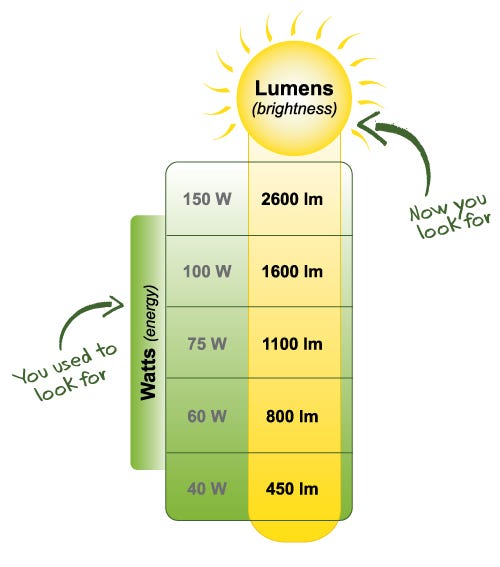
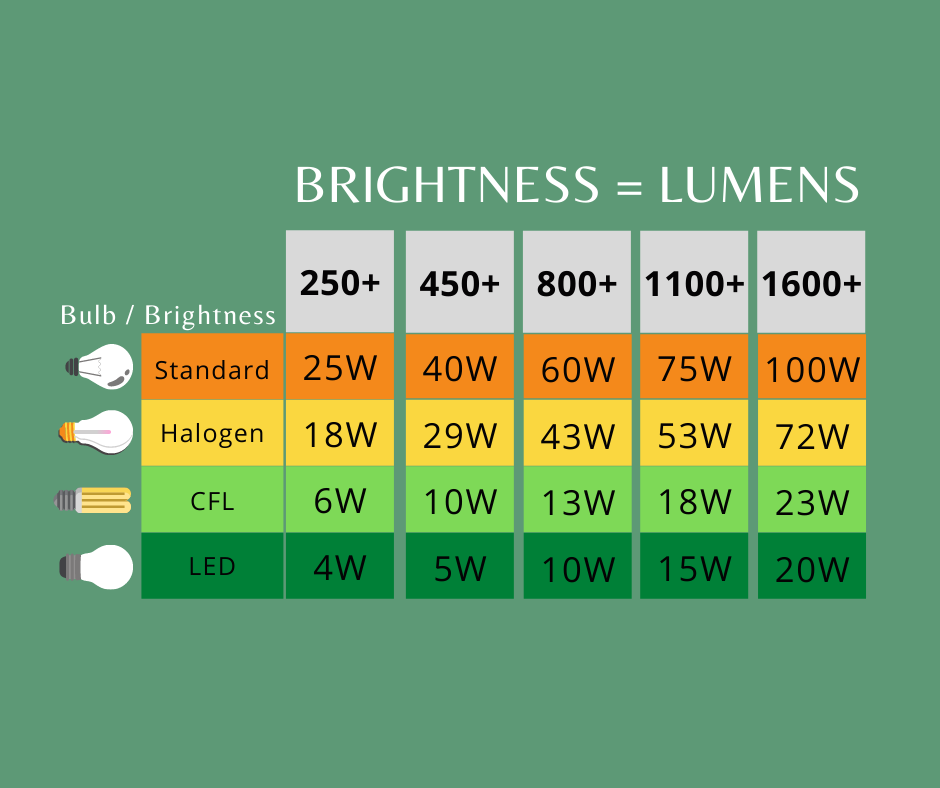
Okay, first things first: lumens and watts are not the same thing. Watts measure power consumption – how much electricity the bulb sucks up. Lumens, on the other hand, measure brightness – how much visible light the bulb pumps out. Think of it this way: watts are what you pay for on your electricity bill, while lumens are what you actually see.
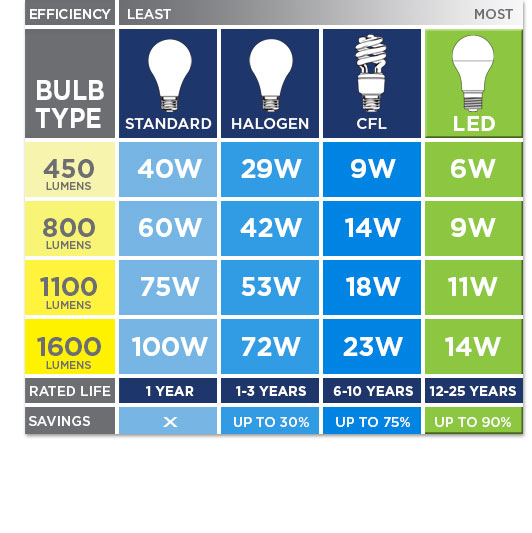
So, forget trying to guess brightness based on wattage. A super-efficient LED bulb might use only 10 watts but pump out the same lumens as an old-school incandescent that guzzles 60 watts! That's why lumens are the way to go for true brightness comparisons.
Must Read
Method 1: Check the Packaging (The Lazy But Smart Way!)
The easiest way, by far, is to just… read the box! I know, groundbreaking, right? Manufacturers are legally obligated to tell you the lumen output of their bulbs. Just look for a number followed by "lm" (for lumens). You’ll usually find it prominently displayed. If you still have the box, consider yourself lucky! Seriously, treat yourself to a cookie. You deserve it.
No box? Don't despair! (Yet. We still have options!) Maybe you can search the model number online. A quick Google search should bring up the bulb's specs, including its lumen output. Boom! Problem solved (maybe). If not, keep reading...
Method 2: Using a Light Meter (For the Tech-Savvy!)
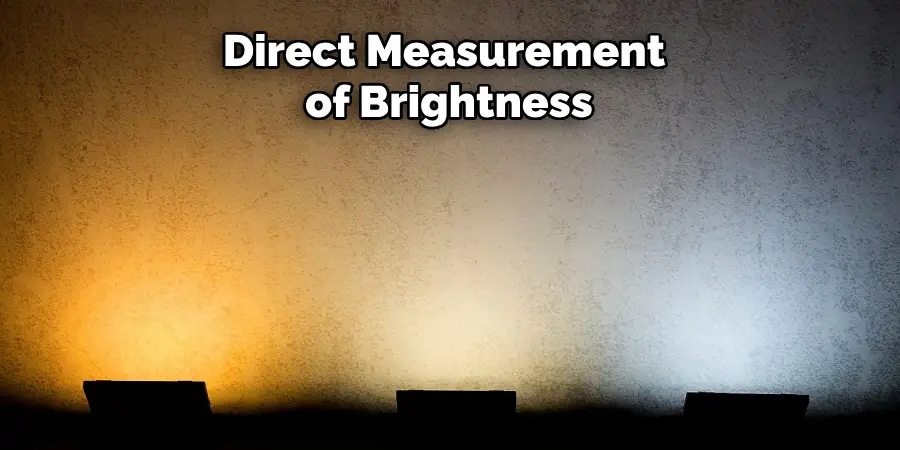
Ready to get a little more scientific? A light meter (also called a lux meter) is a device specifically designed to measure illuminance – how much light falls on a surface. This isn't exactly the same as a bulb's total lumen output, but it can give you a good approximation, especially if you control the variables.
Here's the basic idea:
- Grab a light meter. You can find them online or at some hardware stores. They range in price, so pick one that fits your budget. Don’t feel like you need to break the bank!
- Set up a controlled environment. Find a dark room and a stable surface. We want to minimize stray light. Think of it like a laboratory, except instead of beakers, we have light bulbs and…well, a light meter.
- Measure the distance. Position the light meter a consistent distance from the bulb (say, one meter or one foot). This is crucial! Distance affects illuminance dramatically.
- Take the reading. Turn on the bulb and record the reading on the light meter in lux (lx).
- Compare! Now you can compare the lux readings of different bulbs under the same conditions. Higher lux = brighter light at that distance.
Important Note: This method gives you a relative comparison of brightness, not the absolute lumen output. To calculate approximate lumens from lux, you need to know the light distribution pattern of the bulb, which gets complicated. For simple comparisons, though, lux readings work great!
Method 3: The "Mark 1 Eyeball" (For When You're Really Desperate!)
Okay, let's be honest. Sometimes you just want a rough idea and can't be bothered with fancy tools or discarded packaging. In that case, you can always resort to the "Mark 1 Eyeball" method. This is not precise, but it's better than nothing! Basically, just look at the bulb and compare its brightness to other bulbs you know. Is it brighter than your bedside lamp? Dimmer than your kitchen light? This is subjective, of course, but hey, it's free and instant!

Warning: Don't stare directly at a bright light bulb for too long. You might temporarily blind yourself. I’m not responsible if you end up walking into a wall!
The Takeaway: Shine On!
Measuring light bulb brightness doesn't have to be a daunting task. Whether you're a box-reading guru, a light-meter wielding scientist, or a casual eyeballer, you now have the knowledge to compare bulbs like a pro! Armed with this newfound wisdom, you can choose the perfect illumination for any situation, from cozy reading nooks to brilliantly lit workspaces. So go forth, experiment, and bask in the glow of your perfectly chosen light! Remember, a little brightness can go a long way, both in your home and in your day.