How To Measure For Ceiling Fans
Let's Get This Party Started (and Breezy)!
Alright, superstar! Are you ready to transform your humble abode into a haven of cool, circulating air? Are you dreaming of that gentle breeze, that perfect hum, that undeniable "ahhh" feeling only a fabulous ceiling fan can deliver? You're in the right place! Measuring for a ceiling fan might sound like a super-secret spy mission, but I promise you, it's actually a total blast. No advanced degrees or complicated blueprints required – just a tape measure, a can-do attitude, and maybe a snack for moral support. Let’s dive in and make your fan dreams a reality!
First Up: How Big is Your Party Pad (aka Your Room)?
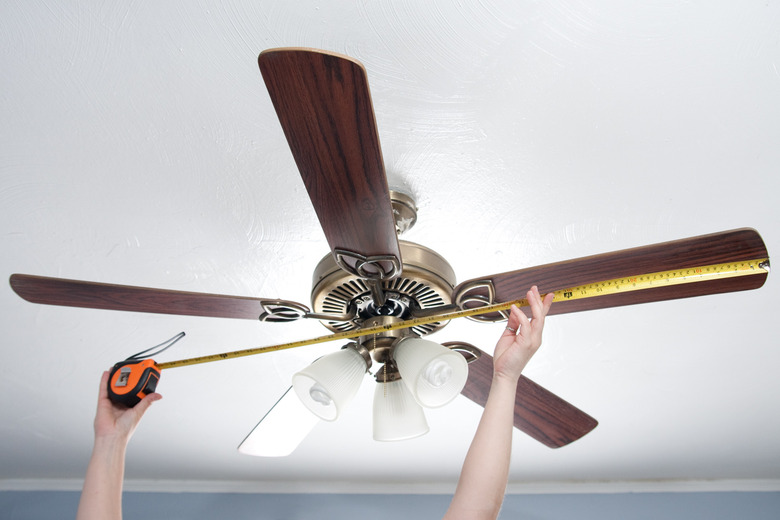
This is where we figure out how grand (or cozy!) your fan needs to be. Think of your room as a giant game board, and we’re about to measure its perimeter. Grab your trusty tape measure and find the longest wall, then the widest wall. Jot down those numbers! For example, if your living room is a glorious 15 feet long and 12 feet wide, you’ve got yourself some winning dimensions. Multiply those two numbers together (15 x 12 = 180 square feet!) and BOOM! You've got your room’s total square footage. This magic number tells us what size fan will be the ultimate air-moving champion for your space. You wouldn't put a tiny toy car on a Formula 1 track, right? The same goes for fans!
Quick Rule of Thumb for Fan Size:
- Small Room (up to 75 sq ft - like a cozy breakfast nook or a super-sized closet): Go for a 29-36 inch fan. Think of it as a personal cooling squad!
- Medium Room (76-144 sq ft - your average bedroom or a slightly cramped dining room): A 36-48 inch fan will do the trick. Just right, like Goldilocks’ perfect porridge!
- Large Room (145-225 sq ft - your main living room, a generous master bedroom): You're in 48-54 inch territory. This is where the magic really happens!
- Extra Large Room (over 225 sq ft - think open-plan living, a ballroom for tiny dancers): Time for a 54-60+ inch fan, or even two! Go big or go home, baby!
Remember, these are general guidelines, not strict laws written in stone tablets. If your room is awkwardly shaped, or you just prefer a more dramatic statement fan, feel free to flex a little! The goal is great air circulation, not a perfect geometric equation.
Must Read
Next: How High is Your Sky (aka Your Ceiling)?
Now, let’s talk about giving your fan enough headroom to truly shine! This is crucial for both safety (no bonked heads on our watch!) and optimal performance. Your ceiling fan blades need to be at least 7 feet from the floor. Imagine an Olympic high-jumper trying to clear the bar – your fan needs that kind of space! So, grab that tape measure again and stand directly under where your fan will live. Measure straight down to the floor. Write that number down! If you have a super tall ceiling, like 10 feet or more, you'll likely need a longer "downrod" – that's the pipe that connects the fan to the ceiling. It brings the fan blades down to that glorious 7-9 feet-from-the-floor sweet spot, ensuring maximum breezy goodness.
Ceiling Height Cheat Sheet:
- Standard 8-foot ceiling: A "hugger" or flush-mount fan is your best buddy, or a fan with a super-short downrod (like 2-3 inches). These fans practically give your ceiling a hug!
- 9-foot ceiling: A 6-inch downrod usually hits the sweet spot, letting your fan breathe.
- 10-foot ceiling: You're looking at a 12-inch downrod. Time for some elegant suspension!
- 11-foot ceiling: Grab an 18-inch downrod. We’re reaching for the stars!
- 12-foot ceiling and up: We're talking 24-inch or even longer downrods. The higher you go, the longer the rod! Just make sure it’s anchored securely – we don't want any ceiling fan trapeze acts.
It's all about making sure your fan isn't just a pretty face, but a hardworking air-mover that won't accidentally high-five anyone walking by! Safety and comfort, always!
Finally: Clearances – Give Your Fan Some Breathing Room!
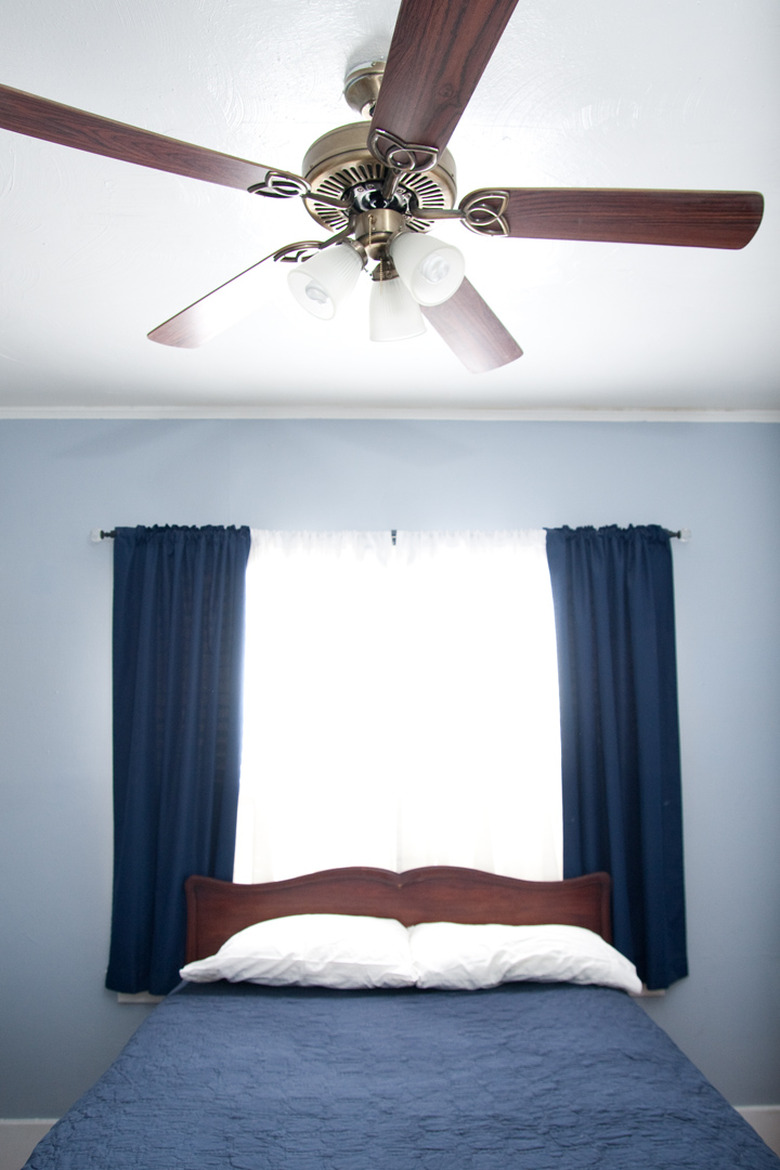
Okay, last but not least, we need to make sure your fan isn't going to get into a wrestling match with your walls, cabinets, or that super cool, oversized potted plant in the corner. Ceiling fan blades need at least 18 inches of clearance from any wall or vertical obstacle. Imagine your fan doing a little spin-dance – it needs space for its elegant moves! Take your tape measure and, from the center point where your fan will hang, measure out to the closest wall. If it’s less than 18 inches, you might need to adjust your fan’s placement or consider a slightly smaller fan. This also goes for any large pieces of furniture, wardrobe doors that swing open, or even those lovely drapes. Give your fan its own personal bubble – like that one friend who absolutely needs their space. For rooms with sloped or vaulted ceilings, you might need a special adapter kit, but don't sweat it too much for now – just know it’s a thing to mention to your installer or look for in the fan's specs. The goal is to avoid any unexpected bumps or scrapes!
The Grand Finale: Double-Check and Dream Big!
Phew! You did it! You’ve successfully measured for your dream ceiling fan. Give yourself a round of applause! Before you hit "add to cart," take a moment to double-check those numbers. A quick re-measure can save a whole lot of head-scratching later. Now, armed with your newfound knowledge, you’re ready to pick the perfect fan that will not only look fantastic but also create the most divine, refreshing breeze in your home. Get ready to kick back, relax, and let that wonderful, cool air wash over you. You've earned it, my friend!