
How To Measure Energy Consumption Of Appliance

Ever wondered if your fridge is secretly plotting against your wallet, silently guzzling electricity while you're out dreaming of tropical beaches? Or perhaps you suspect your ancient microwave is powered by tiny, electricity-hungry gremlins? Well, fear not, intrepid energy detective! You don't need a PhD in electrical engineering to uncover the truth about your appliances' energy consumption. Let's dive in and unmask those power-hungry culprits!
The "Eyeball It" Method (For the Wildly Impatient)
Okay, so this isn't exactly rocket science. In fact, it's barely even baking soda volcano science. But if you're the kind of person who prefers to wing it, the "Eyeball It" method might be for you. It involves finding the wattage information on your appliance. Usually, it's plastered on a sticker on the back or bottom. Look for a "W" – that's your golden ticket!
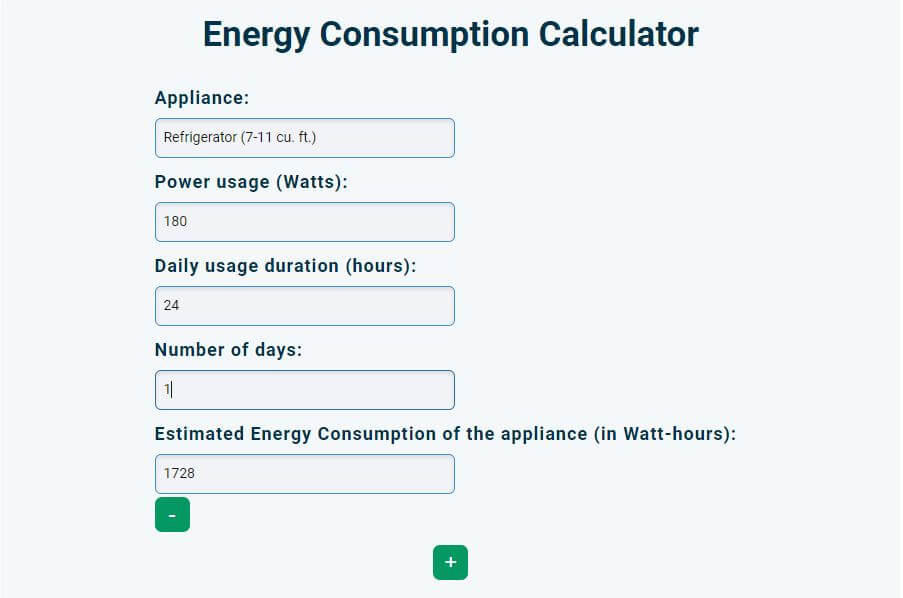
Once you've found the wattage, imagine how many hours a day you use it. A lightbulb left on all day? That's a lot! A toaster oven only used for breakfast? Less so! Multiply the wattage by the number of hours you use it per day. Then, multiply that by 30 to get an estimated monthly energy consumption in watt-hours.
Must Read
Now, here's where things get a little...fudge-able. You need to find out how much your electricity company charges per kilowatt-hour (kWh). Look at your electric bill – it should be listed there. Divide your monthly watt-hour estimate by 1000 (to convert to kWh), then multiply by the price per kWh. BOOM! You've got a rough estimate of how much that appliance is costing you each month. Warning: This method is about as accurate as predicting the weather with a dandelion, but hey, it's a start!
The "Plug It In" Method (For the Slightly More Precise)
Ready to level up your energy-sleuthing skills? Enter the energy monitor, also known as a "kill-a-watt" meter. These nifty little gadgets plug into the wall, and then you plug your appliance into the monitor. It measures the actual amount of electricity your appliance is using.
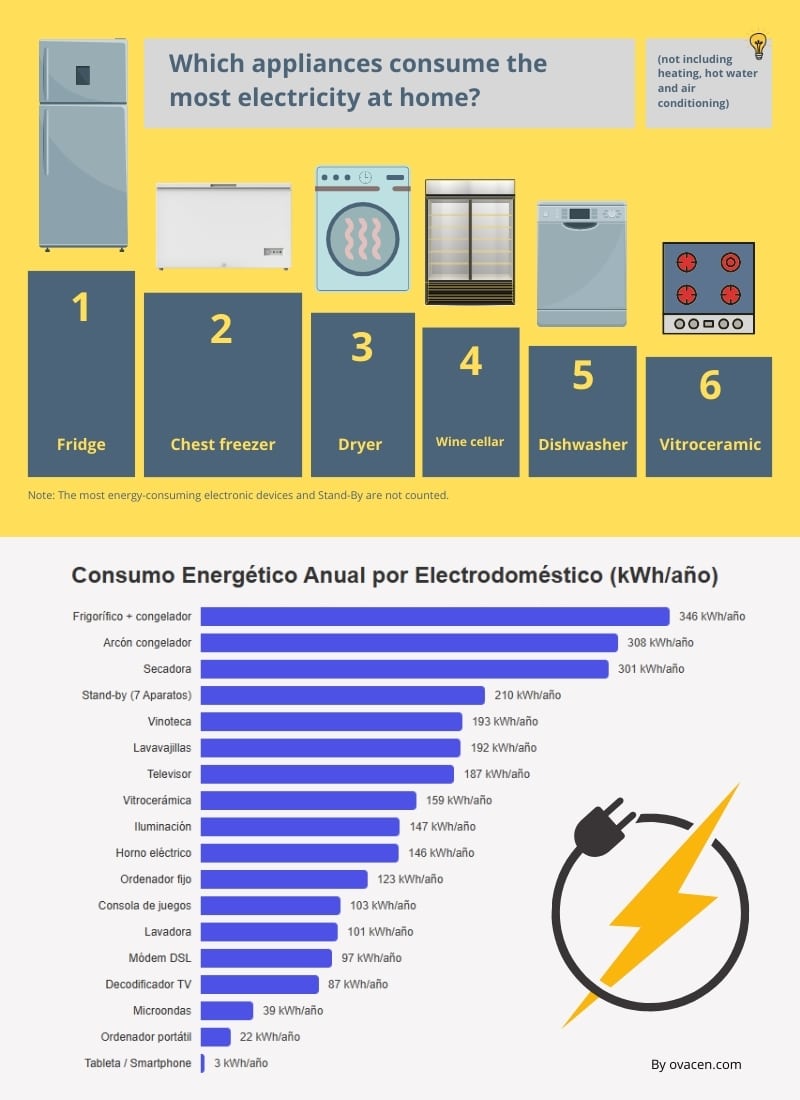
These things are easier to use than a self-checkout machine (and less likely to make you feel judged). Just plug it in, plug in your appliance, and let it run for a while. The monitor will display the wattage, voltage, and even the estimated cost of running that appliance. You can even set the monitor to track energy consumption over a whole day, week, or even month!
Imagine using it on your gaming console. You might think you're just fragging zombies, but that energy monitor will reveal the shocking truth: you're actually fragging your bank account! Or maybe you'll discover that your supposedly energy-efficient washing machine is secretly a power-hungry beast in disguise. Knowledge is power, people!

Pro-Tip: Phantom Loads!
Don't forget about those sneaky phantom loads! These are the energy vampires that suck electricity even when your appliances are turned off. We're talking about phone chargers plugged into the wall, TVs in standby mode, and coffee makers stubbornly displaying the time. Unplug those suckers when you're not using them!
To measure phantom loads, you can use the "Plug It In" method. Just plug the monitor into the wall and see how much energy it's drawing even when nothing is plugged into it. You might be surprised – and slightly horrified – at how much energy you're wasting.
Become an Energy Ninja!
Measuring your appliance's energy consumption isn't just about saving money (although, let's be honest, that's a pretty big motivator). It's about becoming more aware of your energy footprint and making informed decisions about how you use electricity. Maybe you'll decide to replace that ancient, energy-guzzling fridge with a more efficient model. Or maybe you'll just start unplugging your phone charger more often. Every little bit helps!
So, go forth and conquer, intrepid energy detective! Armed with your newfound knowledge and maybe an energy monitor or two, you're ready to unmask those power-hungry culprits and take control of your energy bill. And who knows, you might even save enough money to finally afford that tropical beach vacation. Just remember to unplug everything before you leave!
