How To Measure A Ceiling Fan

Ah, the humble ceiling fan! More than just a functional appliance, it's a silent sentinel of comfort, a delightful dance of blades that whisks away stuffiness and ushers in a whisper-soft breeze. Who doesn't love that gentle, rhythmic hum as it transforms a stuffy room into a sanctuary of cool? From lazy summer afternoons to simply circulating air for better energy efficiency, ceiling fans are unsung heroes of home comfort and style. They can be a stunning focal point, a subtle accent, or a powerhouse of practicality, providing that much-needed relief or simply enhancing the ambiance.
But like a perfectly tailored suit or a well-chosen piece of art, the fan's true impact hinges on one crucial detail: its size. Measuring your ceiling fan isn't just a quirky DIY task; it’s about ensuring optimal performance, perfect aesthetics, and utmost safety. A fan that’s too small for a room will struggle to circulate air effectively, leaving you feeling just as warm. One that’s too large might overwhelm the space, look awkward, and potentially even be a safety hazard, especially in rooms with lower ceilings. The purpose of getting it right is simple: to create a balanced, comfortable, and beautiful living environment tailored to your needs.
So, when might you find yourself reaching for that measuring tape? Perhaps you're moving into a new home and want to replace an outdated, grimy relic with something sleek and modern. Maybe you're redesigning a bedroom or living area and want a fan that complements your new decor. Or maybe you've realized your current fan just isn't cutting it and you're ready for an upgrade that truly cools your space. These are common scenarios where knowing how to measure a ceiling fan is absolutely essential for making an informed purchase that you’ll be happy with for years to come.
Must Read
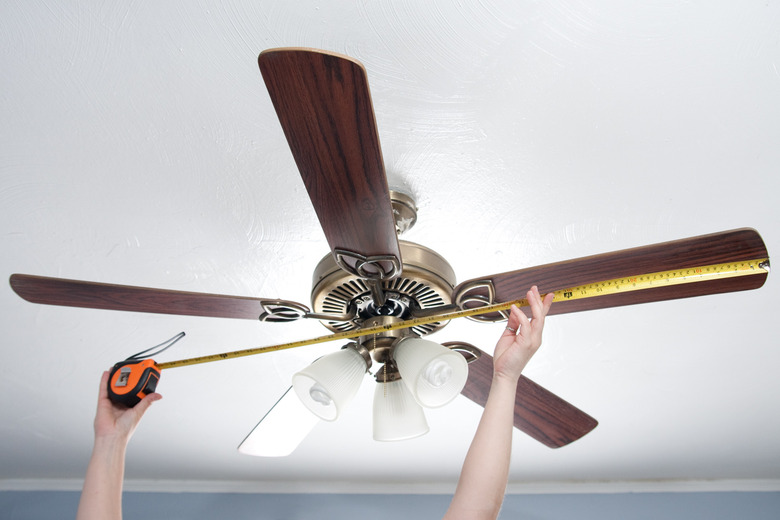
Ready to tackle this surprisingly satisfying task? Here are some practical tips to measure your ceiling fan effectively and confidently. First and foremost: safety first! Always turn off the power to the fan at the circuit breaker before you begin. You don't want any unexpected surprises. Next, grab a sturdy step stool or ladder and a reliable measuring tape. The primary measurement you're after is the blade span, which is the fan's total diameter.
For most fans, the easiest way to find the blade span is to measure from the center of the fan motor to the tip of one blade, and then multiply that number by two. Voila! That's your fan's diameter. If your fan has an even number of blades (like four or six), you can also measure directly from the tip of one blade straight across the motor housing to the tip of the opposite blade. Remember to extend your tape measure fully and keep it level to get the most accurate reading.
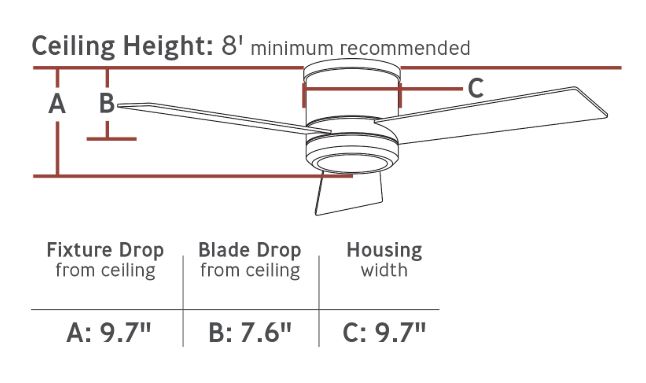
Beyond the blade span, also consider the fan’s downrod length and overall hanging height. This is crucial for ensuring proper clearance, especially in rooms with lower ceilings. Ideally, the fan blades should be at least seven feet from the floor for safety and optimal air circulation. If you have higher ceilings, a longer downrod can help bring the fan lower into the room for better effect.
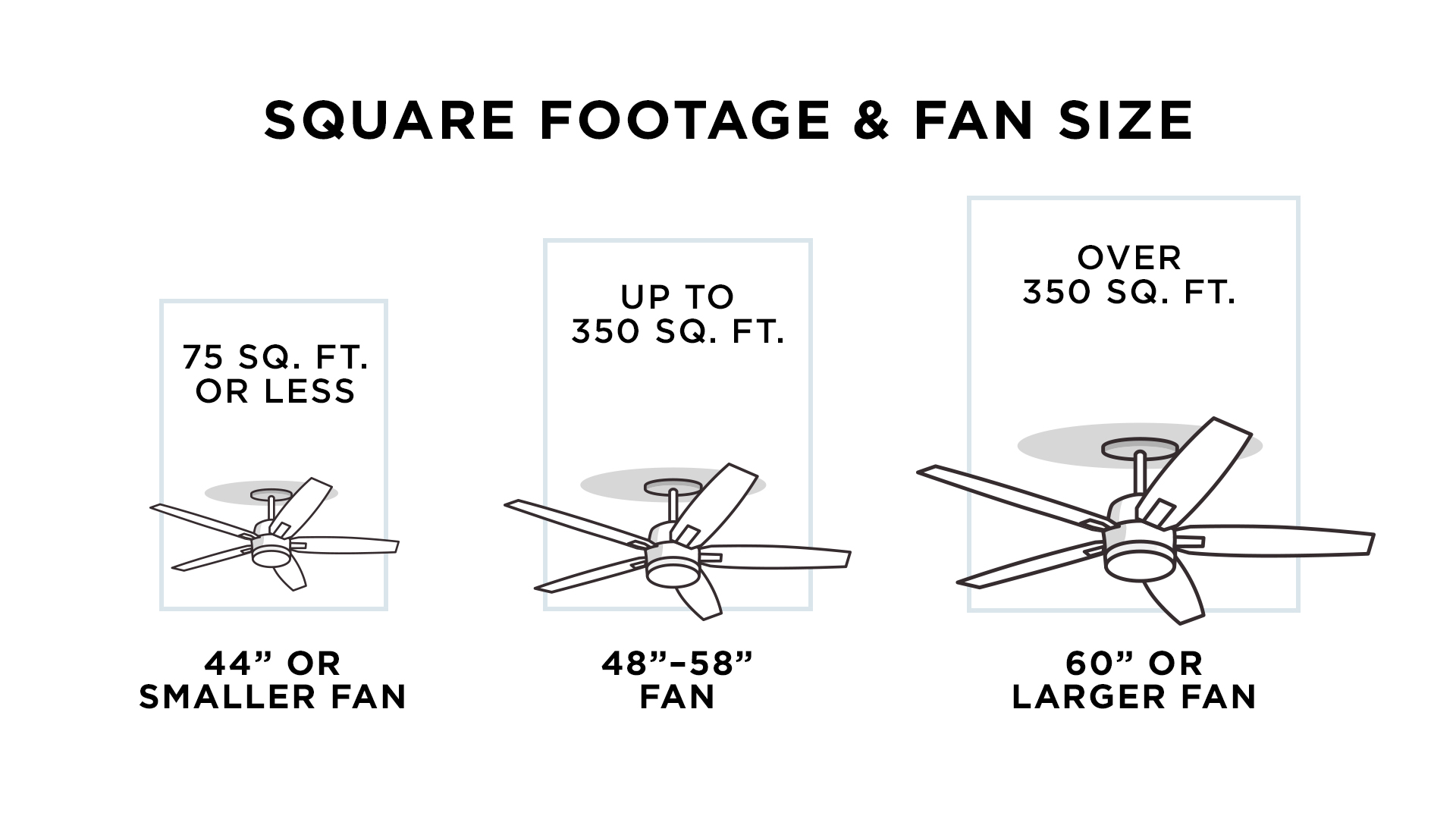
Once you have your measurements, you can match them to common room sizes: a 36-inch fan works well for rooms up to 75 square feet (like a small bedroom), 42-48 inches for rooms between 76-144 square feet (average bedrooms or kitchens), and 52 inches or larger for rooms over 144 square feet (living rooms, great rooms). By taking a few simple measurements and keeping these tips in mind, you’ll be well on your way to selecting the perfect fan that not only looks fantastic but also keeps your home wonderfully comfortable. Enjoy the breeze!