How To Make Wind Energy At Home

Ever stood outside on a blustery day, feeling the wind whip past, and wondered if you could somehow capture all that invisible energy? You're not alone! There's a growing band of enthusiasts, from curious kids to seasoned DIYers, who are discovering the surprisingly delightfully accessible world of making wind energy right at home. It’s more than just a science project; it’s an adventure in self-sufficiency, a nod to innovation, and frankly, a whole lot of fun.
So, why bother tinkering with mini wind turbines when the grid is right there? The benefits are surprisingly compelling. Firstly, it's an educational powerhouse. Building a small wind generator teaches you about physics, electricity, engineering, and even meteorology in a hands-on, unforgettable way. For kids, it’s a brilliant introduction to renewable energy concepts. For adults, it's a satisfying challenge that sharpens problem-solving skills. Secondly, it offers a taste of off-grid independence. While you won't be powering your entire house with a DIY setup (at least, not yet!), you can easily generate enough juice to charge your phone, light up a garden shed, or power those charming fairy lights on your patio. It’s about reducing your carbon footprint, even if incrementally, and gaining a deeper appreciation for where our power comes from.
You might be surprised by how many common applications there are for homemade wind power. Beyond the aforementioned phone charging and shed lighting, people use them for remote monitoring stations, powering small pumps for garden features, or even as an auxiliary charger for RVs and boats when mains power isn't available. Many educational institutions and community workshops even offer kits and classes, making it easier than ever to get started. Think of it as a small but mighty contribution to a greener lifestyle, or simply a fantastic conversation starter at your next barbecue.
Must Read
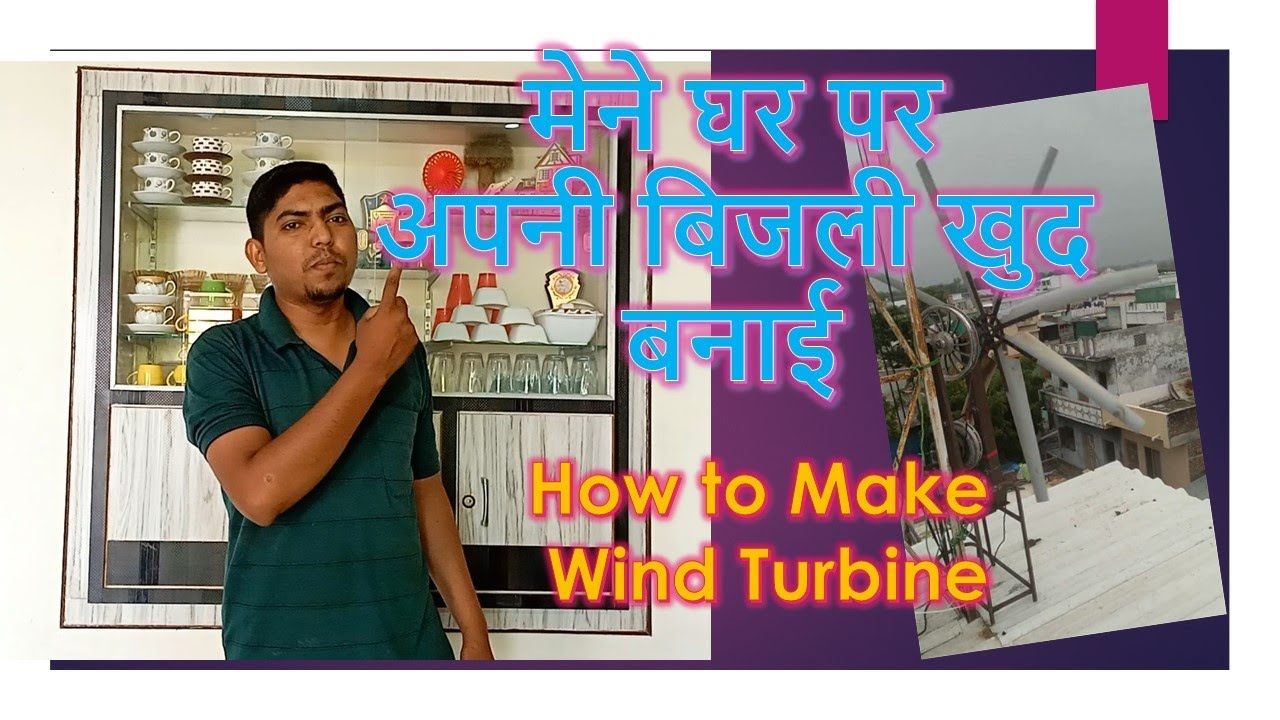
Ready to spin up your own energy adventure? Here are some practical tips to get you started effectively. First, and perhaps most crucially, manage your expectations. A home-built turbine is unlikely to drastically cut your electricity bill, but it will certainly enrich your understanding and provide useful supplemental power. Second, location, location, location! Wind is fickle. Look for an open area, free from obstructions like tall buildings or trees, where the wind can flow freely. A small anemometer (wind speed meter) can be a wise initial investment. Third, start simple. Don't try to build a towering industrial turbine on your first go. Begin with a small, low-voltage project, perhaps using a repurposed DC motor as a generator and PVC pipe for blades. There are countless online tutorials and beginner kits available that provide excellent blueprints and components. Fourth, and most importantly, safety is paramount. Always prioritize safe construction, secure mounting, and proper electrical insulation, especially when dealing with any kind of power generation. Understand how to safely connect your generator to a charge controller and a small battery for storage. Embrace the learning curve, enjoy the process of harnessing nature's invisible hand, and celebrate every watt you generate!