
How To Make Single Pane Windows More Energy Efficient
Alright, gather 'round, folks! Let's talk about something near and dear to my heart (and my wallet): those charming, yet energy-sucking, single pane windows. You know, the kind that let you feel the winter wind inside your house and make your AC work harder than a squirrel trying to bury a truckload of nuts before the first snowfall.
Listen, I'm not here to shame your vintage windows. They have a certain… character. But let's be honest, "character" doesn't pay the bills. So, how do we wrangle these glass rectangles into cooperating with our energy-saving goals? Buckle up, buttercups, because we're about to get crafty!
The Obvious (But Often Overlooked) Solutions
First, the low-hanging fruit. We gotta talk about caulk. Yes, caulk! That magical, sometimes-sticky goo that's the duct tape of the home improvement world. Seriously, check around your window frames, inside and out. Are there gaps? Cracks? Places where a tiny elf could sneak in and steal your warmth? Caulk 'em! It’s like giving your house a cozy, energy-saving hug. Just be sure to buy paintable caulk if you plan on giving your windows a fresh coat of color later. Nobody wants mismatched caulk, unless you're going for that "artistic" look. And honestly, most of us aren't.
Must Read
And while you're at it, inspect the weather stripping. That squishy stuff around the window that's supposed to seal it tight? Yeah, that. Is it cracked? Missing? Being used as a squirrel trampoline? Replace it! It’s cheap, easy, and makes a surprisingly big difference. Think of it as giving your windows a brand new, insulated hug.
Did you know that a poorly sealed window can let in as much air as if you had a hole the size of a brick in your wall? A brick! That's practically an open invitation for penguins to move in.

Get Creative: Window Film and Plastic Sheeting
Now, for the fun stuff! Ever heard of window film? It's like sunscreen for your windows, but instead of preventing sunburn, it reflects heat. You can get reflective film for summer to bounce the sun's rays back where they belong, or low-E film for winter to keep the heat inside. Just be warned, applying it can be a little tricky. You might end up with bubbles, wrinkles, and a deep-seated resentment towards static cling. But hey, practice makes perfect (or at least marginally better).
Feeling a bit more… budget-conscious? Enter: plastic sheeting. Yes, that stuff you might use to cover furniture during a painting project. But don't underestimate its power! A layer of plastic sheeting, properly installed, can create an insulating air pocket between the window and the plastic. It's like giving your window a tiny, plastic bubble of warmth. Just be sure to use a hair dryer to shrink it tight for a crisp, clean look. (Unless you're going for the "haunted house chic" aesthetic, in which case, leave the wrinkles in. Embrace the chaos!)

Fun fact: Plastic sheeting can reduce heat loss through windows by up to 50%! That's like turning your single pane windows into… slightly better single pane windows! Okay, maybe not amazing, but every little bit helps, right?
Curtains and Blinds: Your Secret Weapons
Don't underestimate the power of a good curtain or blind! Heavy, insulated curtains are your best friend in the winter. Close them at night to trap heat inside, and open them during the day to let the sun shine in (and warm things up naturally). In the summer, close them during the hottest part of the day to block out the sun's heat.

Blinds offer a similar effect, but with a bit more flexibility. You can adjust the slats to control the amount of sunlight that enters the room. Plus, they're great for deflecting curious neighbors who are totally not spying on you. (Probably.)
Pro Tip: Consider thermal curtains. They're designed specifically to insulate windows and can significantly reduce heat loss. They're like giving your windows a cozy, fashionable blanket.
The "Nuclear Option": Storm Windows (But Maybe Not)
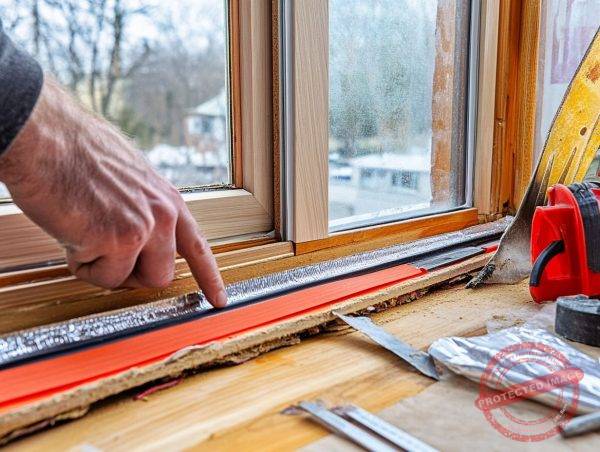
Alright, we're getting serious now. Storm windows are essentially extra windows that you install on top of your existing windows. They create an air gap that provides significant insulation. They're a bigger investment than caulk or plastic sheeting, but they can make a noticeable difference in your energy bills. However, depending on the age and style of your house, they might not be the most aesthetically pleasing option. You don't want to accidentally turn your charming cottage into a futuristic fortress.
Before you go all-in on storm windows, get a professional opinion. It's always a good idea to talk to a contractor who can assess your windows and recommend the best solution for your needs. You might be surprised at what they suggest! They might even tell you your windows are perfectly fine and you just need to wear a sweater indoors. (Okay, maybe not, but it's worth a shot!)
So there you have it, folks! A crash course in making your single pane windows a little less… leaky. Remember, even small improvements can add up to big savings on your energy bills. And who knows, maybe you'll even be able to afford that trip to the Bahamas. Just don't forget to pack your sunscreen (and maybe a caulk gun, just in case).