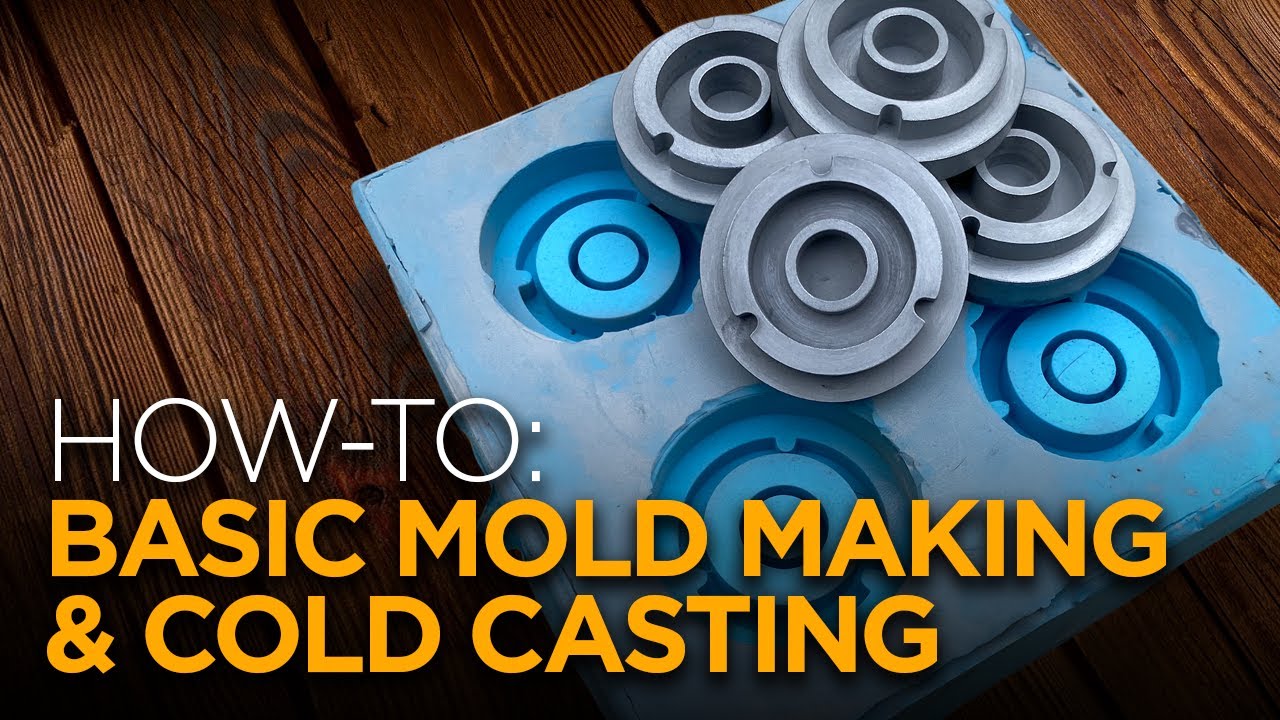
How To Make Molds For Casting

Have you ever held something so unique, so perfectly formed, that you wished you could just… make another one? Maybe it’s that quirky little seashell you found on a particularly memorable beach day, a tiny, intricate carving gifted by a friend, or even just the cutest, crummiest little plastic dinosaur that has seen better days. The idea of replicating something precious might sound like the stuff of ancient alchemists or high-tech factories, but really, it's a surprising amount of fun, and wonderfully simple to dive into right from your kitchen table.
It all starts with picking your muse, your original masterpiece. This is where the heartwarming and humorous bits often begin. Is it your child’s misshapen, but utterly charming, clay pinch pot? Or perhaps a wonky cookie cutter that always seems to make the most characterful gingerbread people? Whatever it is, make sure it’s something you truly adore, something that makes you smile. Because you're about to give it a starring role in its own little artistic adventure. Think of this original object as your masterpiece – the one you want to gently coax a perfect impression from.
The Gentle Embrace
Now for the magical part: getting that perfect impression. Forget complicated machinery or dangerous chemicals. We're talking about materials so friendly, they feel like fancy Play-Doh. One of the easiest to start with is a two-part silicone putty. You just squish together two colourful blobs – one usually a base, the other an activator – and watch as they transform into a single, pliable, often strangely satisfying mass. It's a bit like baking, but instead of dough rising, you're making a soft, pliable clay that will eventually firm up. The colours swirl and blend, and you get to feel like a mad scientist, but a very safe and happy one.
Must Read
Once your putty is a uniform colour and consistency, it’s showtime. You take your chosen object, your beloved masterpiece, and gently, but firmly, press it into the putty. Imagine you're tucking it into the softest, most perfect little bed. You want to make sure every curve, every delightful detail, every endearing imperfection, is captured. Don't be afraid to give it a good, even push. This is where you might let out a little grunt of concentration, or even a soft chuckle if your object is particularly awkward. The goal is to make a nice, deep impression without pushing all the way through.
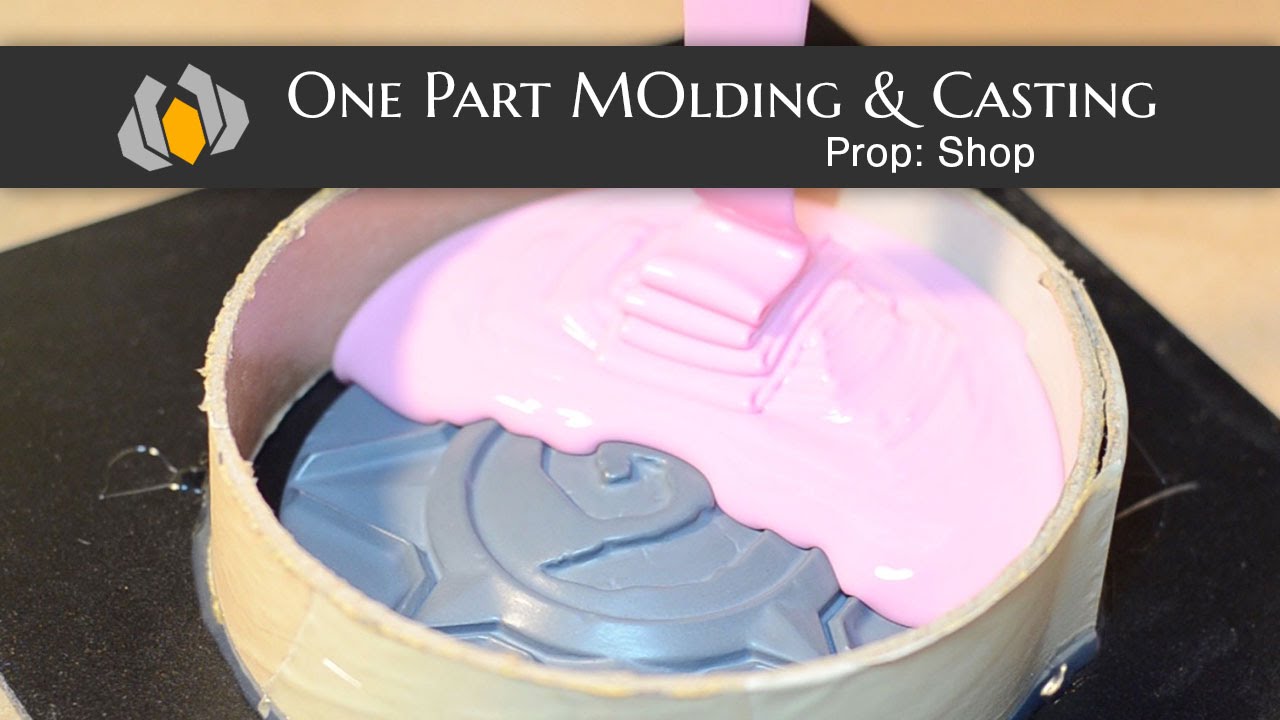
“It’s like capturing a shadow, but in 3D, and infinitely more satisfying.”
The Waiting Game and the Big Reveal
After your object is nestled perfectly in its putty bed, you just… wait. This part requires a little patience, but not much. Most silicone putties cure (that’s the fancy word for harden) within minutes. You can almost feel the transformation happening, a subtle shift from squishy to solid. It’s a good time to grab a cup of tea, hum a little tune, or marvel at the seemingly simple alchemy taking place on your table. There’s a quiet satisfaction in this waiting, a building anticipation for what’s to come.
And then, the moment of truth! With gentle hands, you carefully peel your original object out of its new silicone home. This is often the most surprising part. What was once just a blob of putty is now a perfectly formed negative space, a mirror image of your original. You might gasp, you might grin, you might even do a little victory dance. The detail it captures is often astonishing – the tiny scratches on that dinosaur, the subtle ridges on the seashell, the almost invisible textures you never fully appreciated before. You've created a mold! It’s a little cavity of pure potential, ready to create perfect duplicates.

The Joy of Replication (and Connection)
Now, what can you do with this marvelous creation? Anything from pouring a little resin to make new decorative pieces, to crafting chocolates in the shape of your child’s handprint (if using food-safe silicone, of course!), or even making a plaster cast of that lucky rock you found. The true magic isn't just in making copies; it's in the ability to preserve a memory, share a cherished form, or simply revel in the creative process. Imagine replicating a broken piece of a beloved board game, or making custom buttons for a special knitting project. It’s a small act of creation that opens up a whole world of possibilities.
Whether you're making a mould for a serious craft project or just for the sheer delight of it, there's a unique joy in this process. It’s tactile, it’s playful, and it connects you to your objects in a whole new way. From the humble squish of putty to the triumphant reveal of a perfectly formed impression, making molds is a surprisingly accessible and wonderfully rewarding hobby. So go ahead, find that special something, and let your imagination take shape!