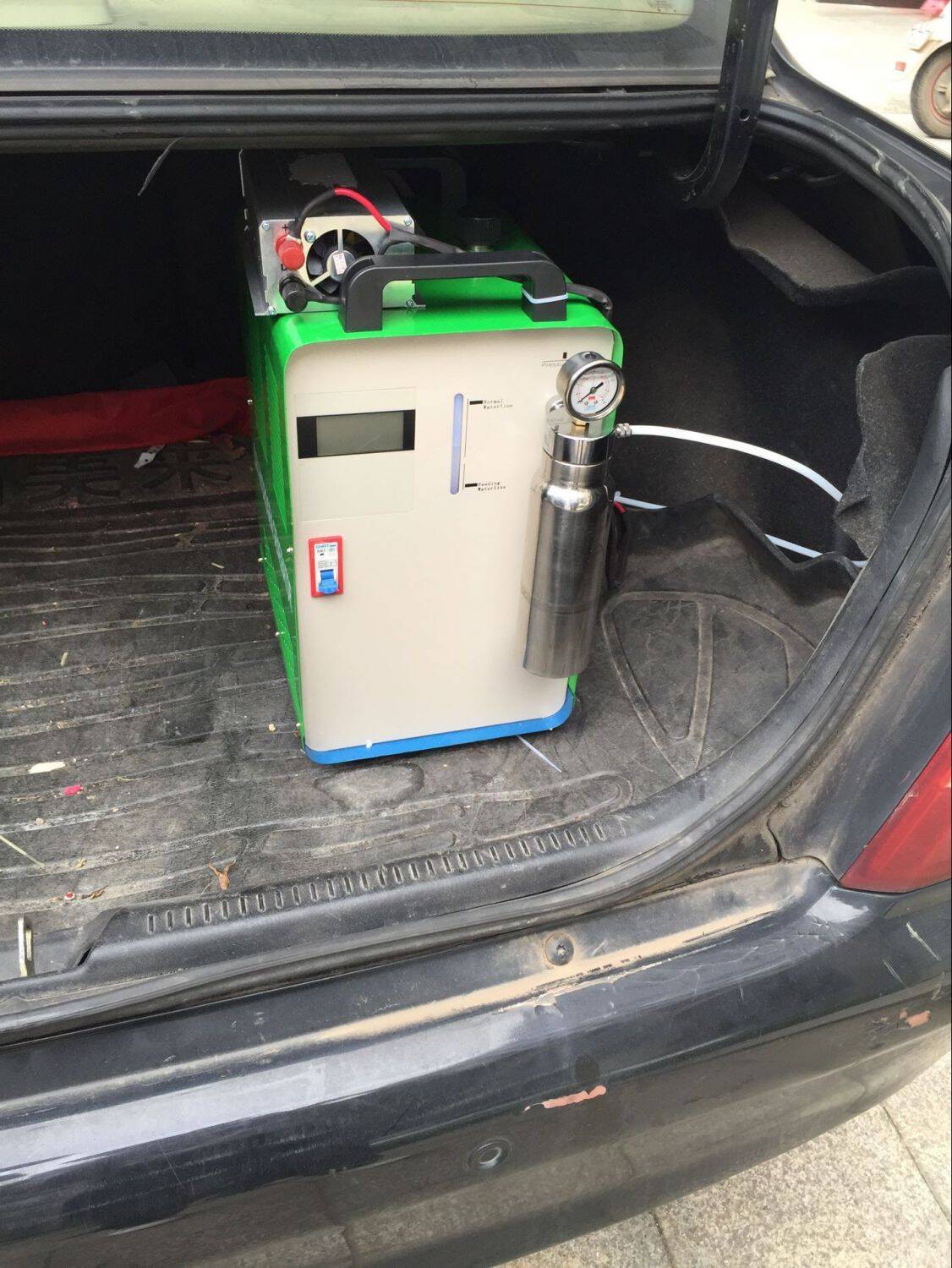
How To Make Hydrogen For Cars

Remember that scene in Back to the Future where Doc Brown just shoves a banana peel and some beer into the Mr. Fusion and BOOM! Instant power for the DeLorean? Yeah, I still get a little pang of envy every time I think about it. If only fueling our cars was that easy, right? Instead of hunting down the cheapest gas station or waiting nervously for the next charging port, imagine if you could just… make your own fuel. Right there at home. Sounds like science fiction, but for hydrogen cars, it's actually closer to reality than you might think. We're not quite at banana peels yet, but we're definitely talking about something that could change how we drive.
So, you've heard about hydrogen cars, I bet. The ones that only emit water vapor, basically giving the tailpipe a guilt-free shower. Super cool, super clean. But then the big question usually pops up: "Where do you even get hydrogen for them?" And often, the answer feels like a shrug emoji in real life. That's where the idea of making it yourself comes in. Not just for mad scientists in a garage (though, no judgment if that's your vibe!), but potentially for your average eco-conscious driver.
The Magic of Water: Electrolysis Explained (Simply!)
The most common, and frankly, the most exciting way to make hydrogen at home, is through a process called electrolysis. Don't let the fancy name scare you off; it's actually pretty straightforward. Think back to basic science class, or maybe just when you saw bubbles forming on electrodes in a glass of water.
Must Read
Basically, you take water (H₂O) and you run an electric current through it. This current acts like a tiny molecular divorce lawyer, splitting the water molecules into their fundamental components: hydrogen (H₂) and oxygen (O₂). The hydrogen bubbles up on one side, oxygen on the other. It’s chemistry happening right before your eyes, and it's surprisingly elegant.
What do you need for this home chemistry experiment?
- Water: Plain old H₂O. Distilled or deionized water is often preferred for efficiency.
- An Electrolyzer: This is the crucial bit of kit – a container with two electrodes, connected to a power source. You can buy small units or even DIY them.
- Electricity: Here's where "green" comes in. Power your electrolyzer with renewable energy – solar panels, wind turbine – and your hydrogen truly becomes a zero-emission wonder fuel.
Imagine your solar panels soaking up the sun, generating surplus power. Instead of selling it back to the grid, you direct that energy to your electrolyzer, filling up a hydrogen tank for your car. Pretty neat, right? It’s like having your own personal, sun-powered fuel pump.
Beyond Electrolysis (Briefly!)
While electrolysis is the main contender for home-based hydrogen, other industrial methods exist, like steam methane reforming. This uses natural gas and produces CO₂. So, for our home-brewed, eco-friendly hydrogen, electrolysis is the way to go.
The Elephant in the Room: Is This Actually Practical (Yet)?
Okay, let's be real for a sec. While the science is sound and the concept is thrilling, producing hydrogen for your car at home isn't quite as plug-and-play as charging an EV... yet.
- Efficiency: Electrolyzers aren't 100% efficient; some energy is lost as heat.
- Storage: Hydrogen is super light and needs to be compressed to very high pressures or liquefied at extremely low temperatures. Home solutions for this are costly and complex, with safety being a major consideration.
- Cost: A setup producing enough hydrogen to fuel a car, along with safe storage, still requires a significant upfront investment.
So, while technically possible, we're not quite at the point where everyone has a hydrogen generator next to their barbecue grill. But hey, remember how bulky and slow early electric cars were? Technology evolves, and fast.

The Future Is Bubbling!
Despite the current hurdles, the idea of decentralized hydrogen production is incredibly compelling. Imagine a world where our fuel isn't tied to global politics or finite resources, but generated from something as abundant as water and sunshine. It empowers individuals and and communities, reduces reliance on centralized infrastructure, and drastically cuts emissions.
It might be a few years, or even a decade, before making hydrogen for your car is as commonplace as filling up your home soda stream. But the underlying technology is here, the curiosity is strong, and the need for cleaner energy is undeniable. So, keep an eye on those bubbling electrodes; they might just be powering our future drives. Who knows, maybe one day your kids will be asking you to “top up the hydrogen” just like we ask for gas now! And you'll just point to your backyard, smiling.