How To Make Hot Ice With Baking Soda And Vinegar
Have you ever wished you could instantly create ice that's, well, hot? It sounds like something out of a science fiction movie, but believe it or not, you can! It's called "hot ice," though technically it's not ice at all. It's sodium acetate, and making it is a surprisingly fun and educational experiment that you can do right in your kitchen with just baking soda and vinegar. Why is this cool? Because it demonstrates some really neat chemistry principles and is just plain fun to watch! We are going to explore how to make your own 'Hot Ice'.
So, what exactly is the purpose of this "hot ice," and why should you bother making it? The real name is sodium acetate, and it's created through an acid-base reaction between vinegar (acetic acid) and baking soda (sodium bicarbonate). The resulting sodium acetate solution can be cooled and then, when triggered, will rapidly crystallize. This crystallization process is exothermic, meaning it releases heat, hence the "hot" part of hot ice. It's like having an instant, reusable heat pack!
Beyond the coolness factor, hot ice is incredibly useful for teaching about several important scientific concepts. It visually demonstrates supersaturation, exothermic reactions, and the formation of crystals. In the classroom, it can be used to illustrate these principles in a memorable and engaging way. Think of it as turning abstract concepts into a tangible and exciting demonstration! In daily life, sodium acetate has some surprising applications. It's used in reusable hand warmers, heating pads, and even some food preservatives.
Must Read
Ready to try it out? Here's a simplified recipe to get you started:
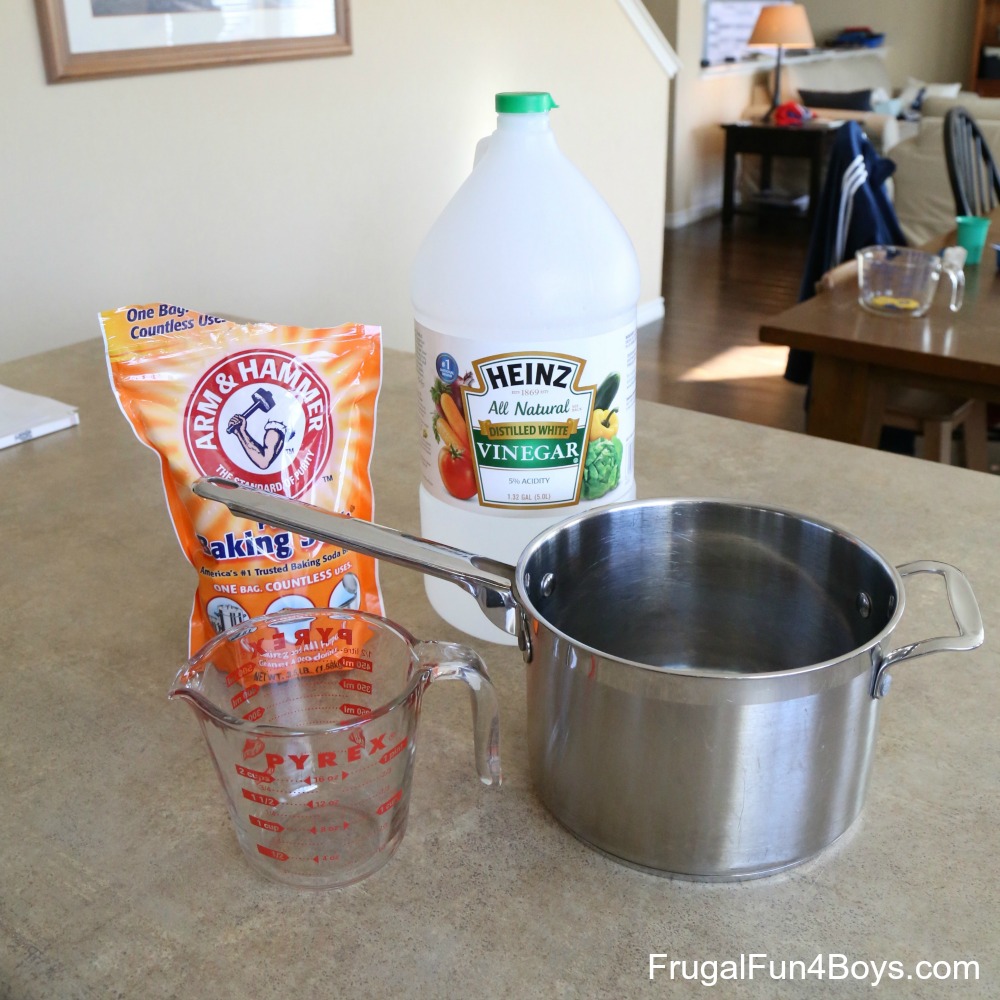
- Mix it up: Slowly add baking soda to vinegar in a saucepan. Be careful, it will fizz! Keep adding baking soda until the fizzing stops.
- Boil it down: Gently boil the solution to evaporate most of the water. You'll know it's ready when a thin layer of crystals starts to form on the surface, or when a drop of the solution solidifies quickly on a cold surface. The more concentrated it is the better.
- Cool it down: Carefully pour the hot solution into a clean container (glass is best) and cover it tightly. Let it cool undisturbed in the refrigerator for at least an hour, or even longer for larger quantities. This creates a supersaturated solution.
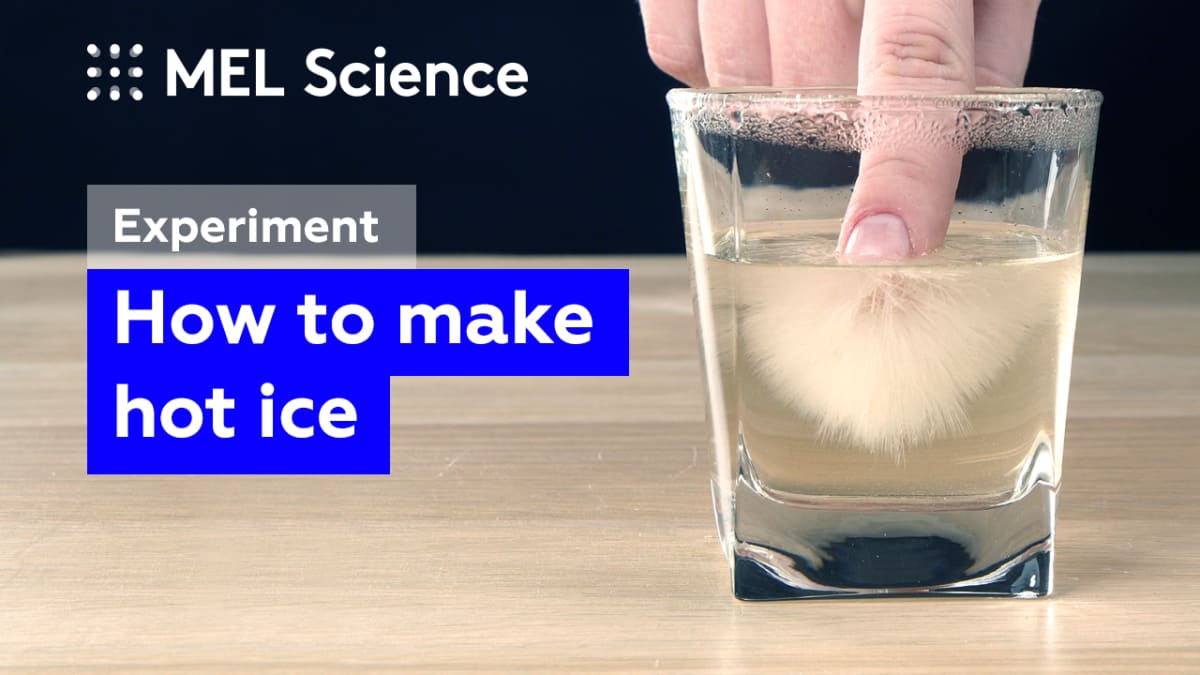
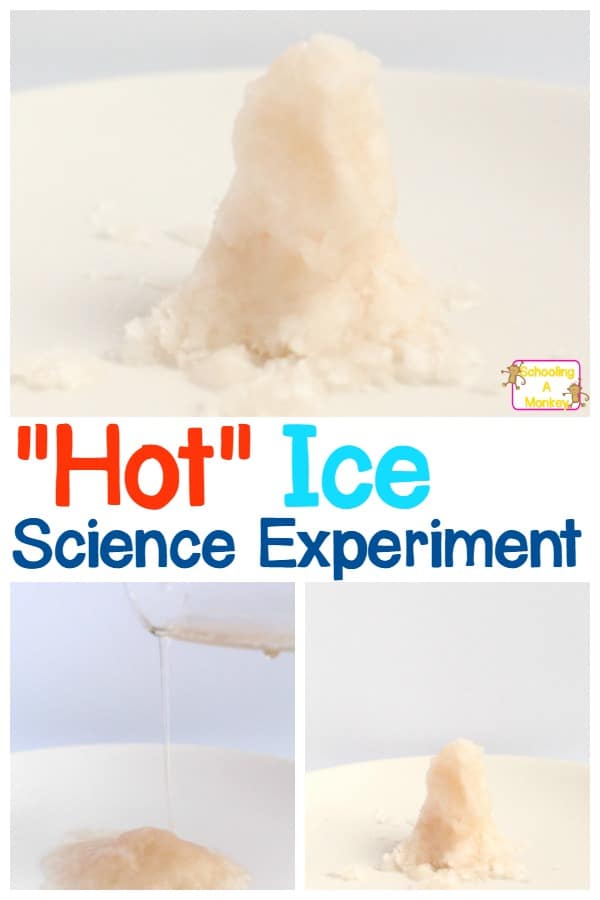
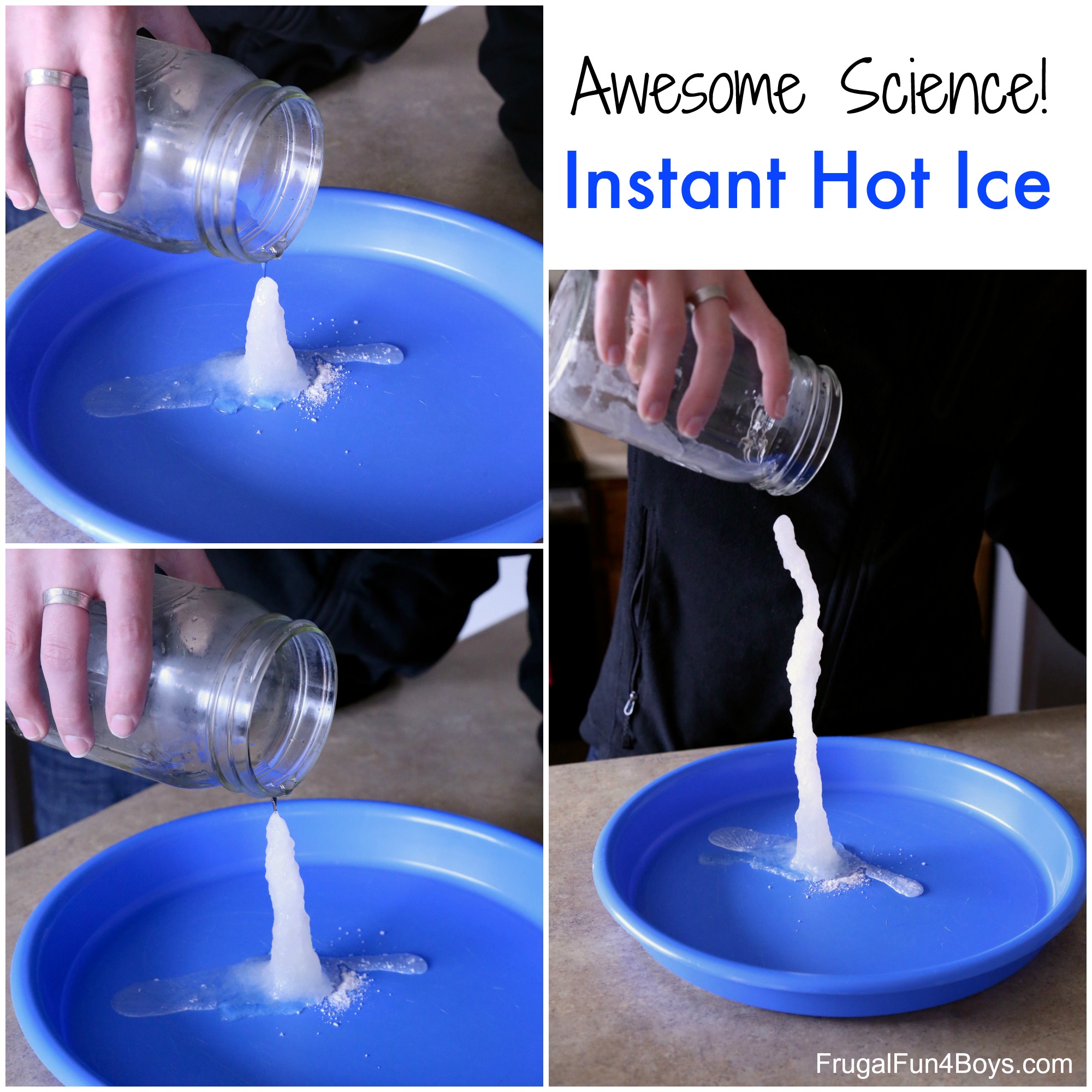
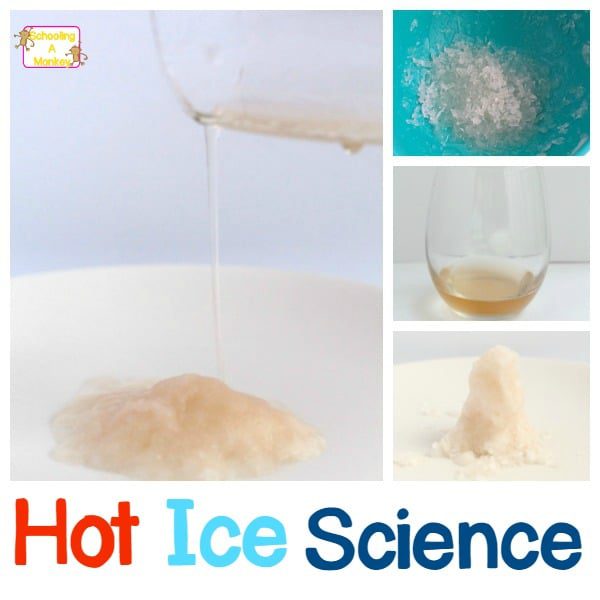
- The magic moment: Drop a tiny crystal of sodium acetate (you can scrape some from the saucepan) into the cooled solution. Watch as it instantly crystallizes, creating a tower of "hot ice!"
Here are a few practical tips to ensure your experiment is a success. Make sure your solution is as pure as possible. Any impurities can prevent crystallization. Use distilled vinegar and baking soda. Also, be patient with the cooling process. The longer it cools, the more stable your supersaturated solution will be. If you're having trouble getting it to crystallize, try seeding it with a slightly larger crystal or gently scratching the inside of the container with a clean object.
Feel free to experiment! Try pouring the solution slowly onto a pre-existing crystal to create towers of hot ice. See how high you can build it! You can also add food coloring to your solution for extra visual flair. Remember to always exercise caution when working with heat and acids, and supervise children closely during this experiment. With a little patience and some basic kitchen ingredients, you can create your own mesmerizing display of "hot ice" and learn a little bit about chemistry along the way. Have fun!