
How To Make Galvanized Tin Rust
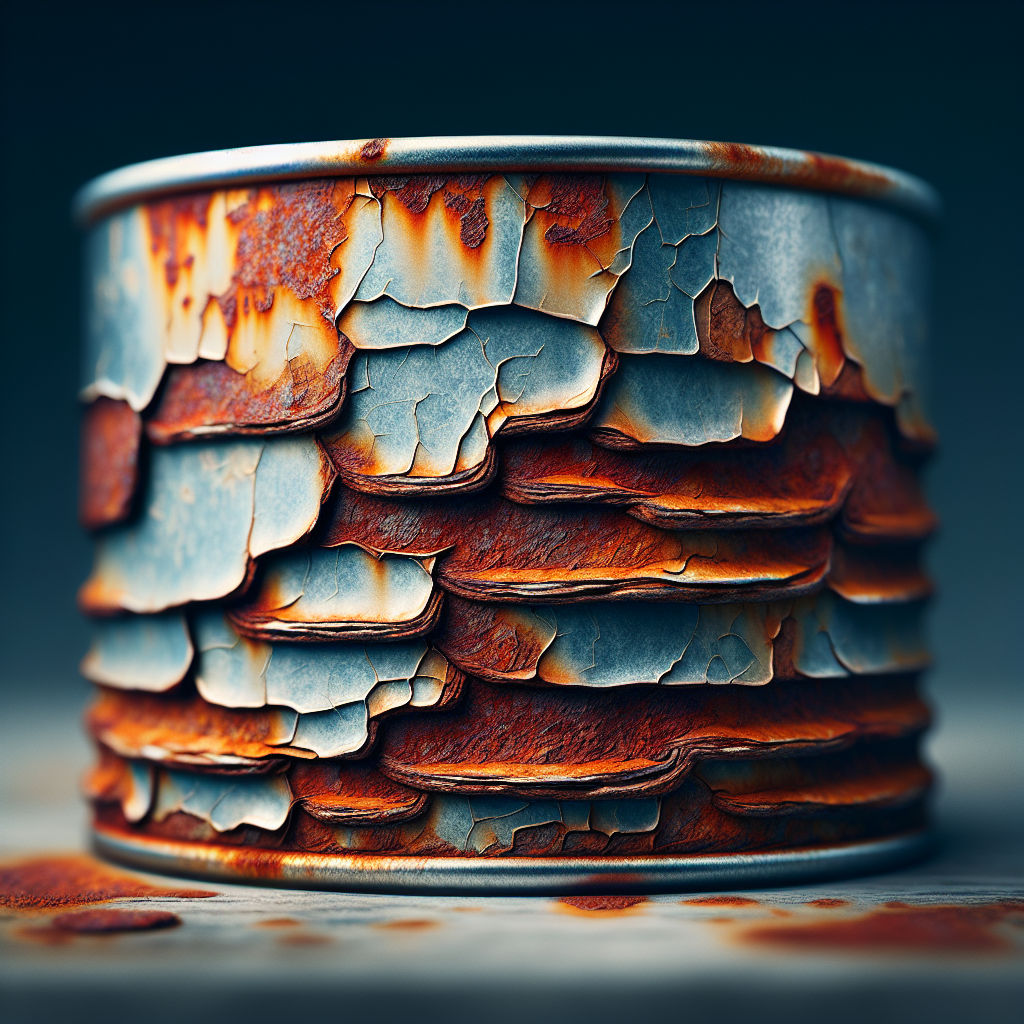
You know, I once bought these super cute, farmhouse-chic galvanized buckets for an outdoor herb garden. I pictured them looking all beautifully rusty and weathered in just a few seasons, blending perfectly with my somewhat neglected, "natural" aesthetic. Three years later? Still shiny. Still stubbornly, unapologetically silver. My herbs looked great, but the buckets? They looked like they just rolled off the factory floor.
And that, my friends, is when I had an epiphany: why is it so hard to get things to rust when you actually want them to? Especially when they're specifically designed not to! If you've ever tried to achieve that perfectly imperfect, rustic patina on galvanized tin or steel, you've probably faced the same frustrating battle. But fear not, fellow aesthetic adventurers! I've been down this road, and I’m here to share the secrets to coaxing that beautiful, orange-brown decay out of even the most stubborn galvanized surfaces.
Why Galvanized Tin Is So Stubborn (and How to Beat It)
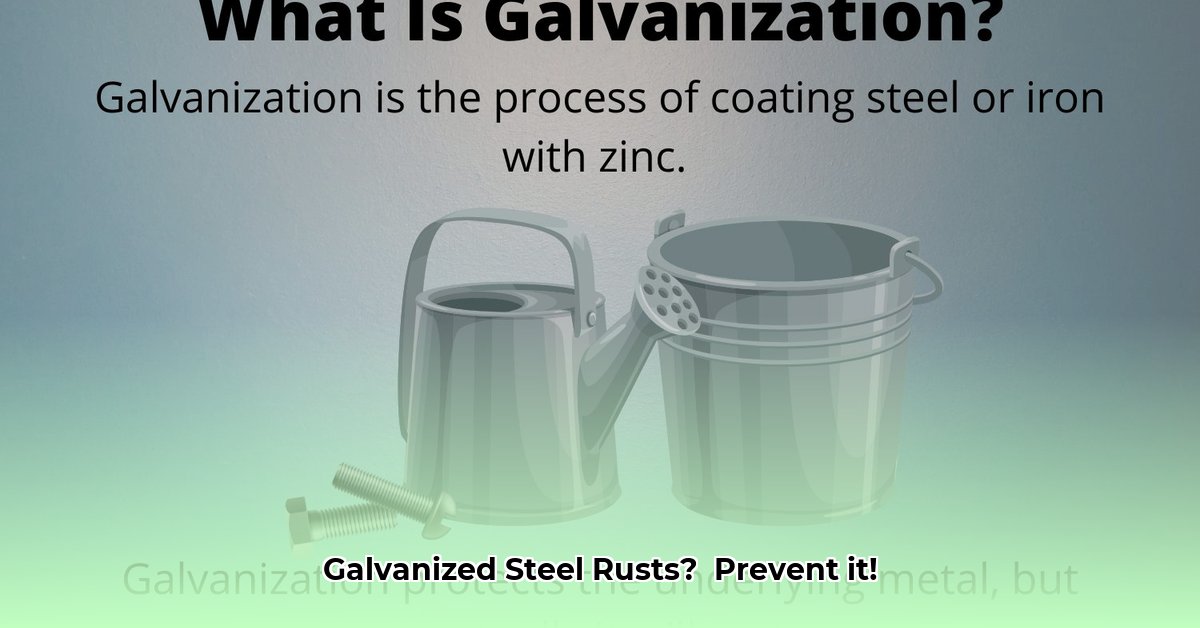
First, let's get a little nerdy for a second, because understanding the enemy helps you defeat it, right? Galvanization is a process where steel or iron is coated with a layer of zinc. This zinc layer does two awesome things: it acts as a physical barrier, preventing moisture and oxygen from reaching the steel, and more importantly, it provides cathodic protection.
Must Read
Basically, if the coating gets scratched, the zinc will sacrifice itself to protect the underlying steel from rusting. Super cool for longevity, super annoying if you're trying to make a brand-new watering can look like it belonged to your great-grandma. So, our mission, should we choose to accept it, is to basically undo some of that clever engineering.
Step 1: Get Rid of That Pesky Zinc
This is the most crucial step. You can't make the steel rust if it's still protected by zinc. Think of it like trying to get a sunburn through a thick layer of SPF 1000. Not gonna happen!
The Abrasive Approach (My Personal Fav)
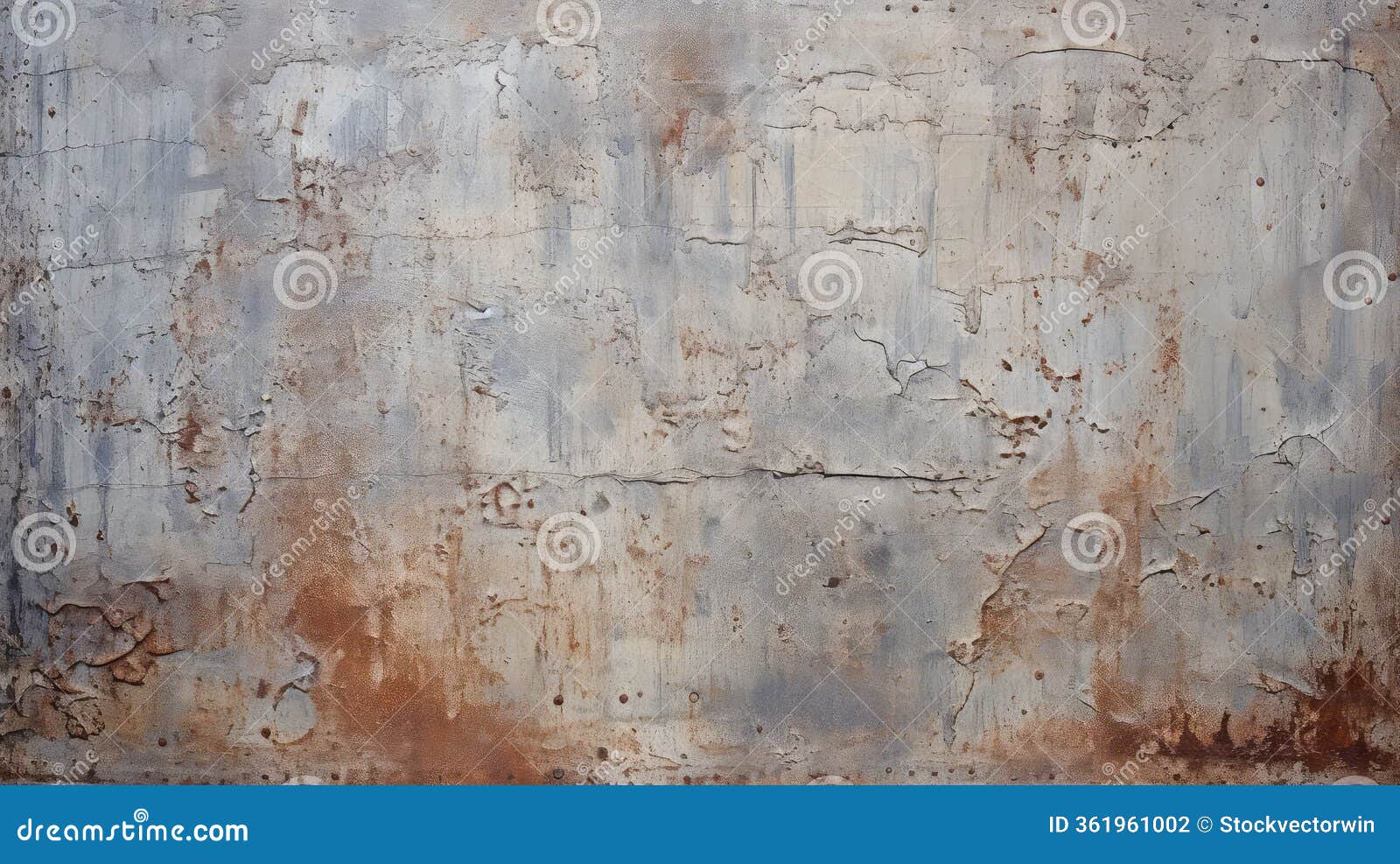
This is probably the most straightforward and satisfying method. You're literally going to sand or grind off the zinc.
- Grab your tools: Coarse-grit sandpaper (80-120 grit works wonders), a wire brush, or even a sanding block attached to a drill. For larger areas or thicker coatings, an angle grinder with a wire wheel attachment can be incredibly effective (but also incredibly messy, so wear protection!).
- Target practice: Focus on the areas where you want the rust to appear. You don't have to strip the entire thing unless you want it completely rusted. Once you start sanding, you'll notice the shiny zinc dulling, and eventually, you'll see the underlying, slightly darker steel surface. That's your golden ticket!
- Safety first! Please, for the love of all that is rusty and beautiful, wear a dust mask and safety glasses. Zinc dust isn't something you want to be inhaling. And gloves are always a good idea.
The Chemical Etch (For the More Daring)
If physical elbow grease isn't your jam, or you want a more uniform approach, certain acids can help dissolve or etch the zinc.
- Vinegar Power: Regular old white vinegar can work, especially if you let the item soak or apply it repeatedly. It's a milder approach, but given enough time, it will eat away at the zinc.
- Muriatic Acid (Handle with Extreme Caution!): This is for serious rust-inducers only. Muriatic acid (hydrochloric acid) will rapidly strip the zinc. You absolutely need to wear heavy-duty gloves, eye protection, and work in a very well-ventilated area, preferably outdoors. Dilute it, apply with a brush, let it fizz and work for a few minutes, then rinse thoroughly with water. Do not, I repeat, do not let it sit too long, or it will start eating the steel too aggressively. This stuff is no joke, so proceed with extreme caution if you go this route.
Step 2: Let the Rusting Begin! (Accelerated Edition)
Once that beautiful, vulnerable steel is exposed, it's time to encourage it to oxidize. This is where we go from "preventing rust" to "begging for rust."
The Saltwater Spa Treatment
This is your best friend for accelerating rust once the zinc is gone. Salt acts as an electrolyte, speeding up the chemical reaction that causes rust.
- Mix it up: Create a super concentrated saltwater solution. The saltier, the better. Think ocean water on steroids.
- Apply generously: Spray, brush, or even submerge your now de-galvanized item in the saltwater solution.
- Wet, Dry, Repeat: Rust loves cycles. Let the item get wet with saltwater, then let it air dry completely. The magic happens during the drying phase and when it's exposed to oxygen. Repeat this process multiple times a day if you're impatient like me. You'll start seeing those beautiful orange speckles appear surprisingly quickly!
The Great Outdoors (The Patient Person's Way)
If you've removed the zinc, simply exposing your item to the elements will eventually do the trick. Rain, humidity, and dew will all contribute to the rusting process. It's slower, sure, but it's also low effort. Just make sure it's in a spot where it's regularly getting wet and drying out.

Optional Boosters (For the Seriously Impatient)
Some folks swear by combining the saltwater with a spritz of hydrogen peroxide or even a quick application of vinegar before the saltwater. These can further accelerate the oxidation process, especially if you're after a really deep, rich rust. But honestly, good old saltwater and exposed steel usually do the trick perfectly.
The Payoff: Beautiful, Intentionally Rusted Tin
Who knew wanting something to decay could be so much effort, right? But there's something incredibly satisfying about transforming a shiny, sterile piece of metal into something that looks like it has a story, a history, a character. Whether it's for a craft project, a garden accent, or just to satisfy that inner need for rustic charm, now you know how to beat the system and get that galvanized tin to finally give up its silvery ghost.
So go forth, armed with your sandpaper and saltwater, and rust responsibly! Your inner farmhouse decorator (or mad scientist) will thank you.
