
How To Make Baseboard Heaters More Efficient
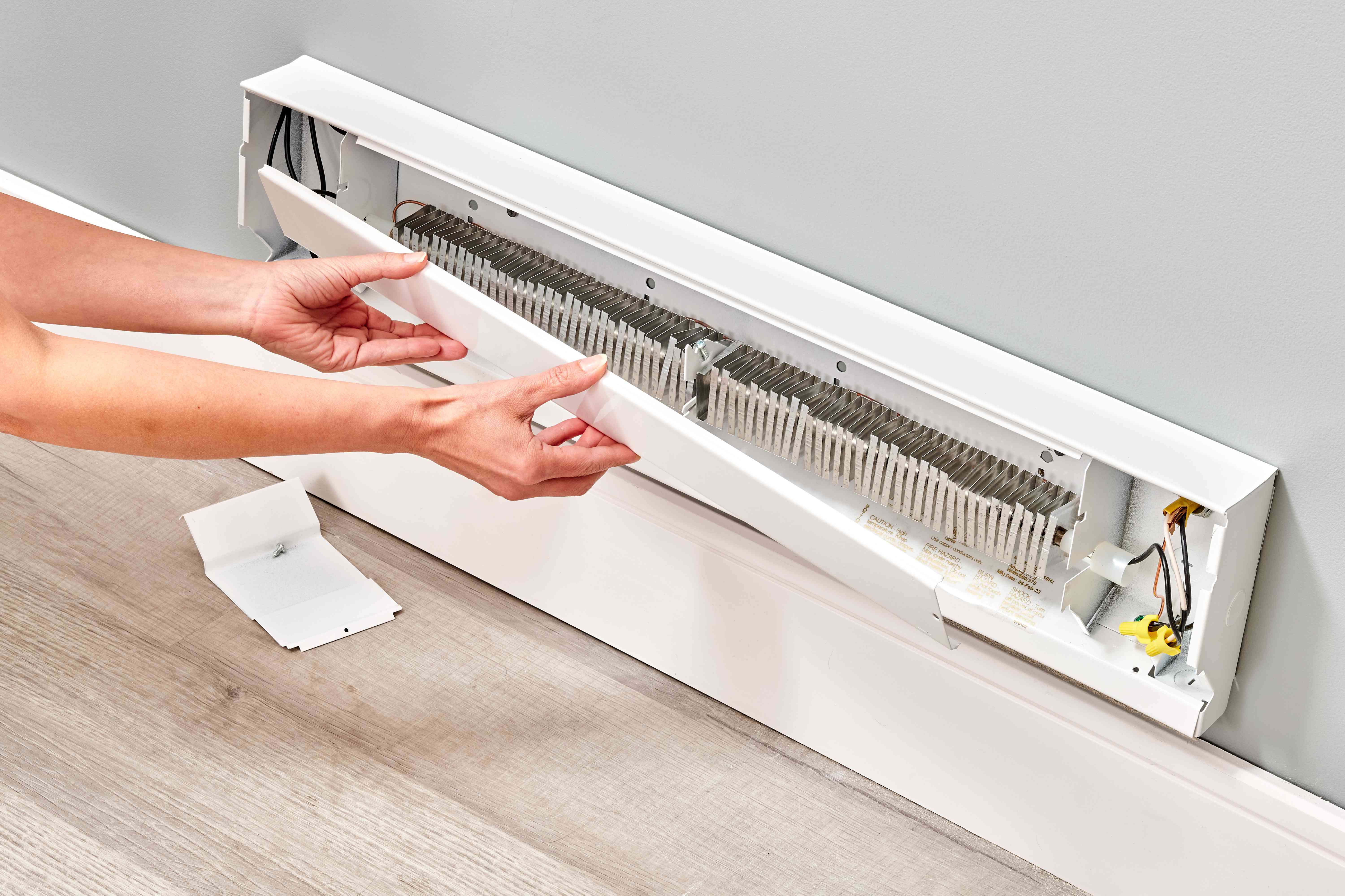
Baseboard heaters. They're the silent workhorses of many homes, chugging away to keep us cozy during those long winter months. But let's be honest, sometimes they feel like they're working harder than we are, and our energy bills reflect it. So, how do we wrangle these trusty appliances and coax them into being more efficient? Fear not, fellow comfort-seekers, because a warmer home and a lighter wallet are within reach. Think of this as your guide to becoming a baseboard heater whisperer.
Dust Bunnies: The Silent Saboteurs
First things first: cleanliness is next to… energy efficiency! Okay, that's not exactly the saying, but it's true in this case. Dust and debris act like insulation, but in the worst possible way. They prevent the heater from radiating heat effectively, meaning it has to work harder and longer to warm the room.
Imagine trying to sing your favorite Lizzo song with a mouthful of cotton balls. Not exactly a power anthem, right? Same principle. Grab your vacuum cleaner with the brush attachment and give those baseboard heaters a thorough cleaning. Don't forget to get inside and remove any lurking dust bunnies. Do this at least twice a year, or more if you have pets. Your heaters (and your lungs) will thank you.
Must Read
Strategic Furniture Placement: Heat Flow, Not Heat Blockage
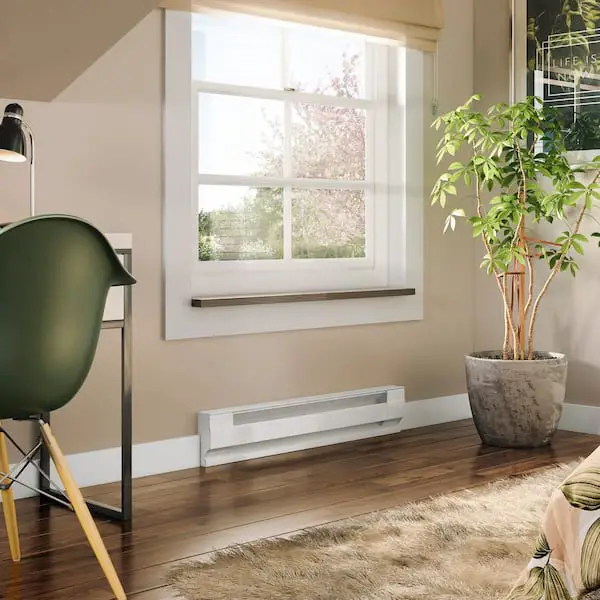
Think of your baseboard heaters as tiny suns radiating warmth. Now, would you park your car in front of the sun? Of course not! Yet, we often unwittingly block our heaters with furniture. Make sure sofas, beds, and curtains aren't obstructing the airflow. You want that heat to circulate freely throughout the room.
Think of it like a well-choreographed dance. The heat is the dancer, and the room is the stage. You need to clear the path so the dancer can move and spread its warmth effectively. A few inches of clearance can make a surprising difference.
Insulation: The Foundation of Warmth
This might seem obvious, but proper insulation is crucial for overall energy efficiency. If your home is poorly insulated, you're essentially heating the great outdoors. Check for drafts around windows and doors. Seal any cracks or gaps with caulk or weather stripping. This is like putting a cozy scarf on your house – it keeps the warmth in and the cold out.
Consider adding insulation to your attic and walls. This is a bigger project, but the long-term savings are significant. Think of it as an investment in your comfort and your bank account. It’s like upgrading from a flip phone to the latest smartphone – a significant improvement in functionality and efficiency.
.jpg)
Reflectors: Bouncing Heat Back into the Room
A simple, yet effective trick is to install heat reflectors behind your baseboard heaters. These reflectors, often made of foil-backed cardboard or metal, bounce the heat back into the room instead of letting it escape through the wall. It's like having a personal cheerleader for your heater, shouting "Go, heat, go!" and directing it where it needs to be.
These are readily available at most hardware stores and are relatively inexpensive. Installation is usually a breeze – just cut to size and slide them behind the heater. This is one of those "bang for your buck" upgrades that's well worth the effort.
Lowering the Thermostat: Finding Your Comfort Zone
This is the most straightforward tip, but it's worth reiterating: lower your thermostat. Even a degree or two can make a noticeable difference in your energy bill. Consider investing in a programmable thermostat that automatically adjusts the temperature based on your schedule. You can set it to lower the temperature while you're away at work or asleep.
This is akin to mindful eating. You're not denying yourself warmth, but you're being conscious of your consumption and finding a comfortable balance. Think of it as finding your inner Goldilocks – not too hot, not too cold, but just right.
Bleeding the System: Releasing Trapped Air
Sometimes, trapped air can accumulate in your baseboard heating system, reducing its efficiency. Bleeding the system releases this air and allows the hot water to circulate freely. This process involves opening a small valve on the heater to release the trapped air. Consult your owner's manual or a professional if you're unsure how to do this safely.

Imagine a blocked garden hose. You need to release the air to allow the water to flow freely. Bleeding your baseboard heaters is like giving them a good, deep breath, allowing them to function at their best.
By implementing these simple tips, you can significantly improve the efficiency of your baseboard heaters and reduce your energy consumption. It's about being proactive, mindful, and taking small steps to create a more comfortable and sustainable home.
In the grand scheme of things, improving baseboard heater efficiency might seem like a small detail. But these small details, multiplied across countless homes, can have a significant impact. It’s a reminder that even the most mundane aspects of our lives offer opportunities to be more conscious and resourceful. It's about finding beauty and intention in the everyday – from the way we heat our homes to the way we live our lives.