How To Make An Injection Mold
Ever marvel at a perfectly identical collection of LEGO bricks, a smooth bottle cap, or the intricate casing of your smartphone? There's a hidden world of engineering magic behind these everyday wonders, and it's called injection molding. While you might not be firing up industrial-grade CNC machines in your garage, understanding how an injection mold is made is a fascinating journey into precision, design, and mass production that impacts nearly every facet of our modern lives. It's about taking an idea, crafting its perfect inverse, and then replicating it millions of times with stunning consistency.
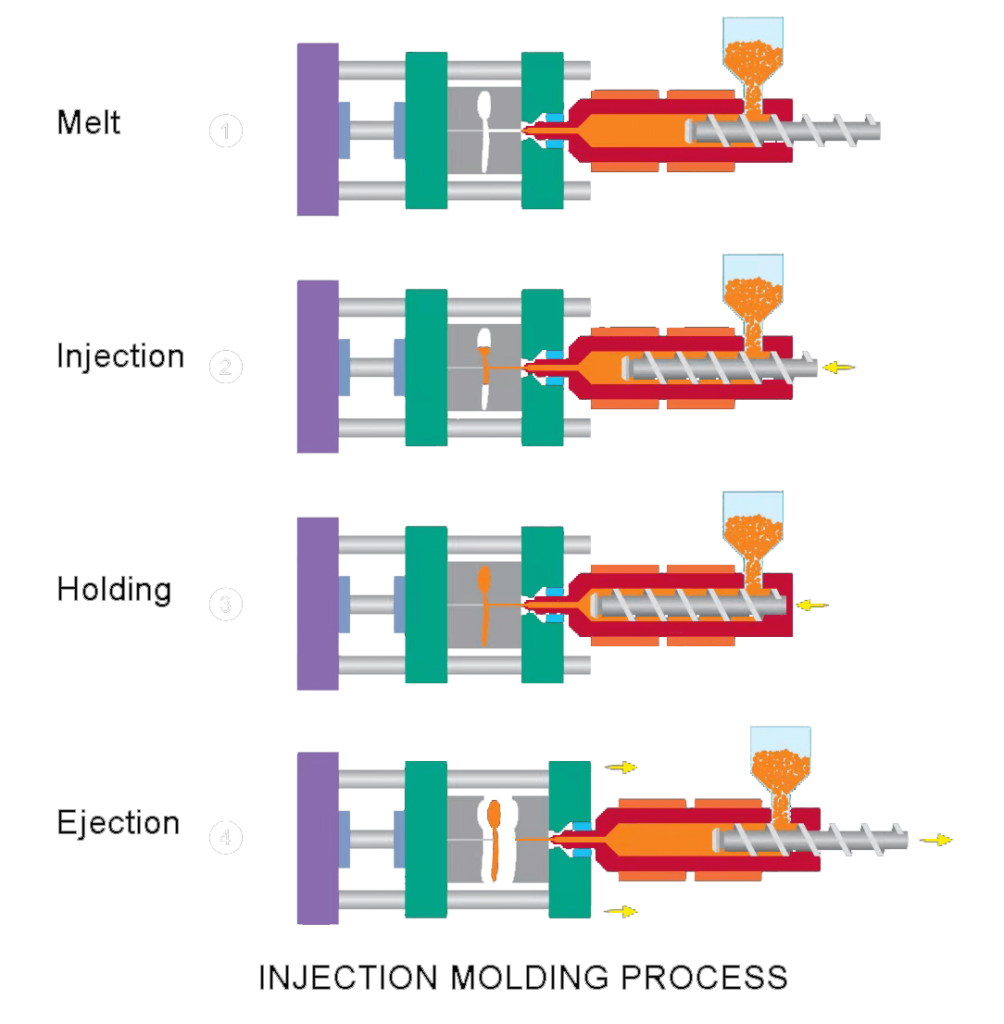
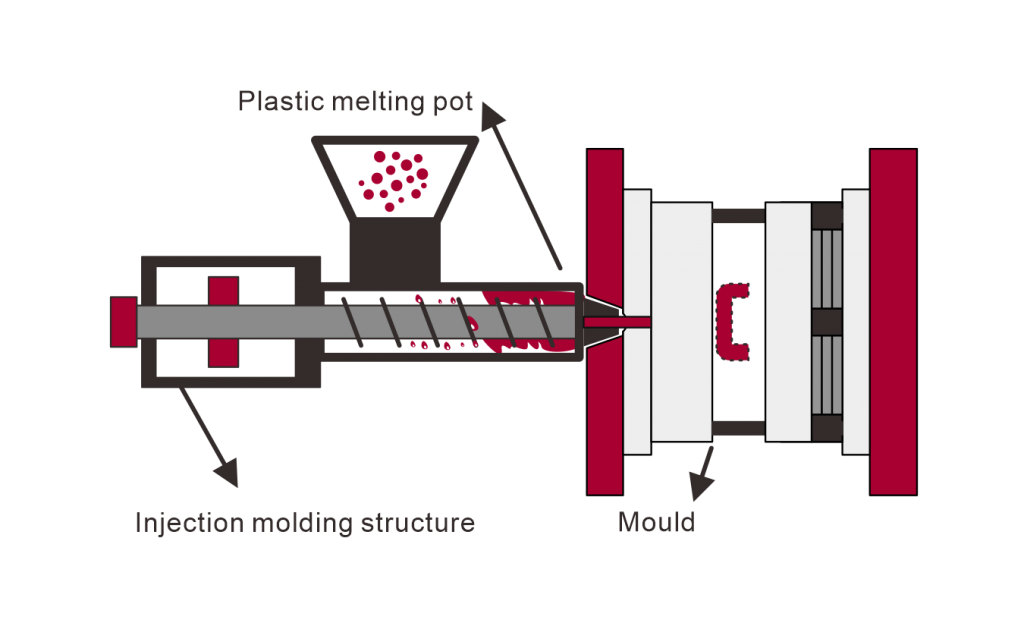
At its core, an injection mold is the ultimate tool for turning molten plastic into precisely shaped objects. Think of it as a sophisticated, reusable cookie cutter for plastic. Its primary purpose is to create a negative space – a cavity – that, when filled with superheated liquid plastic, forms the desired product. The benefits are immense: incredible speed, phenomenal cost-effectiveness at scale, and unparalleled repeatability. This process ensures that every single bottle cap fits perfectly, every toy brick clicks just right, and every component in your car dashboard lines up flawlessly. It’s the unsung hero that enables the consistent quality and affordability of countless products we often take for granted.
The applications are truly endless. From the humble plastic comb to intricate medical devices, dashboard components, phone chargers, children's toys, and even parts of your washing machine – if it's plastic and made in large quantities, chances are it came from an injection mold. Next time you pick up a plastic pen, a piece of cutlery, or even the housing for your computer mouse, take a moment to appreciate the precise engineering that went into creating the mold that birthed it. These aren't just random shapes; they are the result of meticulous design and manufacturing processes aimed at creating functional, durable, and aesthetically pleasing objects.
Must Read
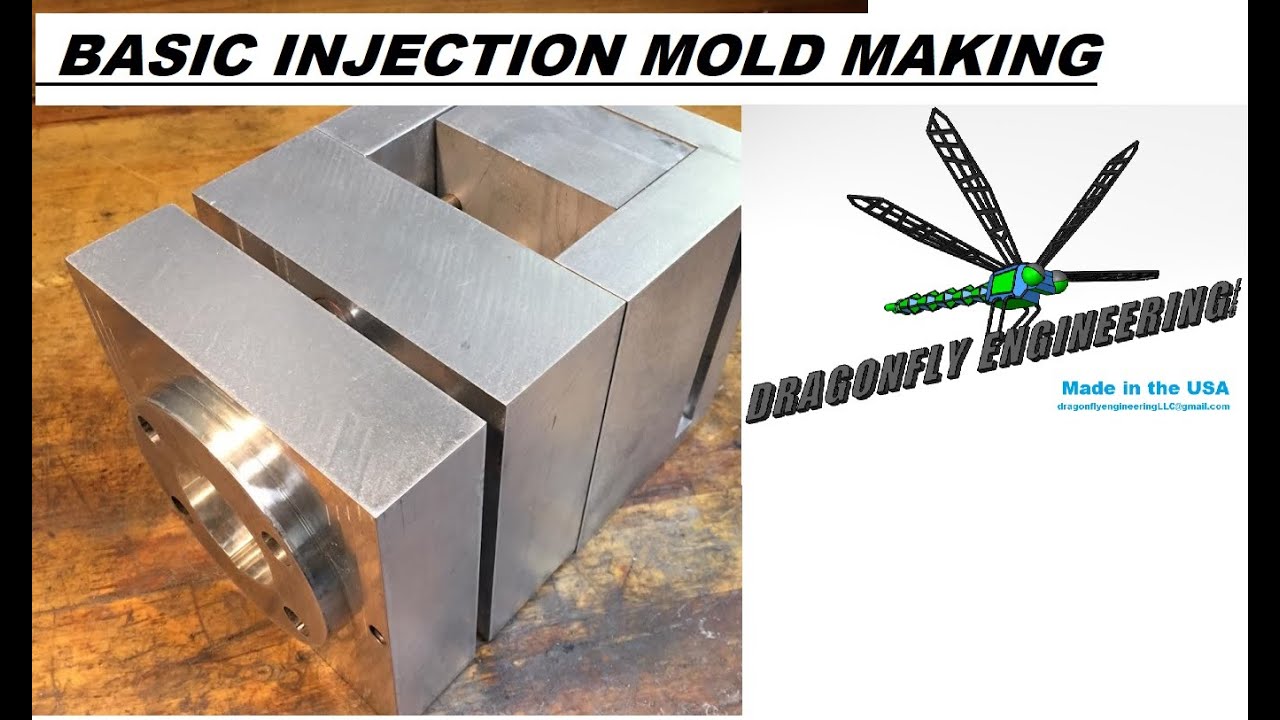
So, how can a general audience "enjoy" the making of an injection mold more effectively? First, become an observational expert. Look at plastic items around you and try to visualize the two halves of the mold that formed them. Can you see where the plastic was injected (the "gate mark") or where the mold halves met (the "parting line")? Secondly, delve into the "how." While making a commercial injection mold involves significant investment and expertise in CAD/CAM software and machining, you can easily find fascinating videos online that showcase the incredible precision involved in milling these complex metal tools. Understanding the journey from a digital design to a perfectly machined steel mold is truly captivating.
Finally, if you're feeling hands-on, explore simpler forms of molding! While not industrial injection molding, experimenting with resin casting, making silicone molds for chocolates, or even plaster casting offers a fantastic, accessible way to grasp the fundamental principles of creating a negative space to reproduce objects. You’ll gain a newfound appreciation for the skill and ingenuity that goes into crafting something that can then reliably create hundreds, thousands, or even millions of identical parts. It's an appreciation for precision, efficiency, and the silent architects of our plastic world.