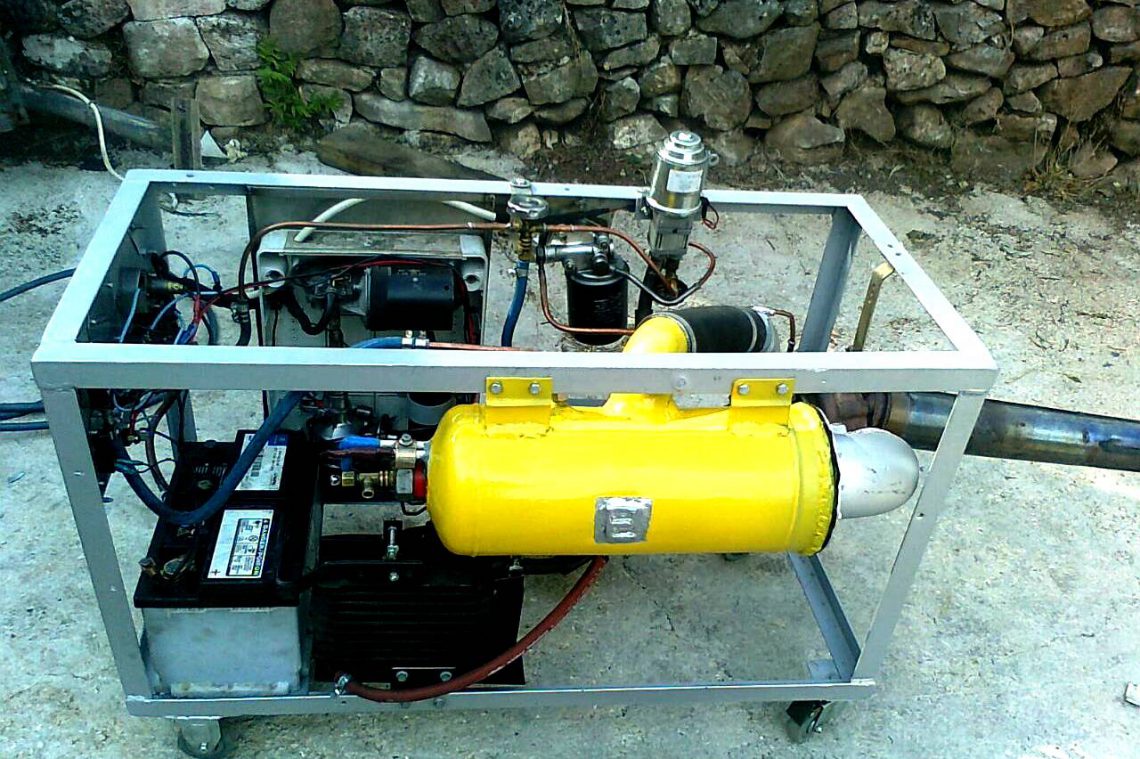
How To Make An Electric Generator To Power Your Home

Okay, folks, let's talk about something seriously cool: making your own electricity! Forget those pesky power outages; we're going off-grid... well, sort of. We're going to dive into the surprisingly accessible world of DIY home generators. Think less Mad Scientist and more Weekend Warrior meets Thomas Edison (but way more stylish, obviously).
The Core Idea: Making Magnets Dance!
At its heart, a generator is all about making magnets dance with coils of wire. Seriously, that's pretty much it. When you move a magnet near a wire, or a wire near a magnet, you create an electrical current. It's like they're flirting and creating energy babies (electricity!). The faster they dance, the more energy babies you get. So, we need to figure out how to make this dance happen repeatedly and efficiently.
What You'll Need (The "Stuff" Part)
Before you picture yourself single-handedly powering Times Square, let's gather some materials. You'll need:
Must Read
- A Source of Motion: This could be anything that spins! A bicycle, a small gas engine (like one from a lawnmower – with adult supervision, of course!), a water wheel (if you're feeling particularly rustic), or even a hamster wheel... though I wouldn't recommend trying to power your refrigerator with that.
- Magnets: Lots of 'em! Powerful neodymium magnets are your best bet. Think of them as the dancers who really know how to move.
- Copper Wire: You'll need a good amount of insulated copper wire. This is what the magnets will dance with to create the electricity.
- A Coil Form: Something to wrap the wire around to create coils. A plastic pipe or even a sturdy cardboard tube will work.
- A Multimeter: To measure the voltage and current you're producing. This is your energy baby counter.
- A Rectifier: Converts the AC (alternating current) electricity your generator produces into DC (direct current) electricity, which is what most of your devices use. Think of it as the baby translator.
- A Battery: To store the electricity you generate. This is your energy baby daycare center.
- Wires, Connectors, and Safety Gear: Because safety first, always! Don't become part of the electrical circuit.
Building the Magic Machine (Simplified!)
Alright, let's get our hands dirty (figuratively, wear gloves!). Here’s the super-duper condensed version of generator construction:
- Build the Coils: Wrap the copper wire tightly around your coil form to create several coils. The more coils, the more electricity you can potentially generate.
- Attach Magnets to Your Rotor: A rotor is just something that spins. Attach your magnets evenly around the rotor, making sure they're securely fastened. Epoxy is your friend here.
- Position the Coils Near the Rotor: Place your coils close enough to the rotor so that the magnets pass very closely as the rotor spins. The closer the magnets, the better the "dance."
- Connect the Coils: Wire the coils together in a series or parallel circuit (look this up online! It’s surprisingly fun... mostly!).
- Attach the Rectifier: Connect the rectifier to the output of your coils to convert the AC electricity to DC.
- Connect the Battery: Connect the rectifier to the battery to store the generated electricity.
- Spin That Thing! Now, attach your source of motion (bicycle, engine, etc.) to the rotor and start spinning!
- Measure the Output: Use your multimeter to see how much voltage and current you're generating.
Important Tidbits and Exaggerated Warnings!
Safety First! Electricity is not something to mess with. If you're unsure about anything, consult a qualified electrician. Don't try to power your entire house without understanding the risks and regulations. Imagine trying to feed a dragon without knowing its eating habits – disaster!

Efficiency is Key! Don't expect to power your entire house with a homemade generator the size of a shoebox. You'll likely need a pretty powerful setup and a good understanding of electrical loads to do that. Think of it as training to run a marathon – you don't just wake up one day and run 26.2 miles. You gotta train!
Scaling Up! This is just the tip of the iceberg. You can scale this up, refine your design, and even use solar or wind power to drive your generator. The possibilities are endless!
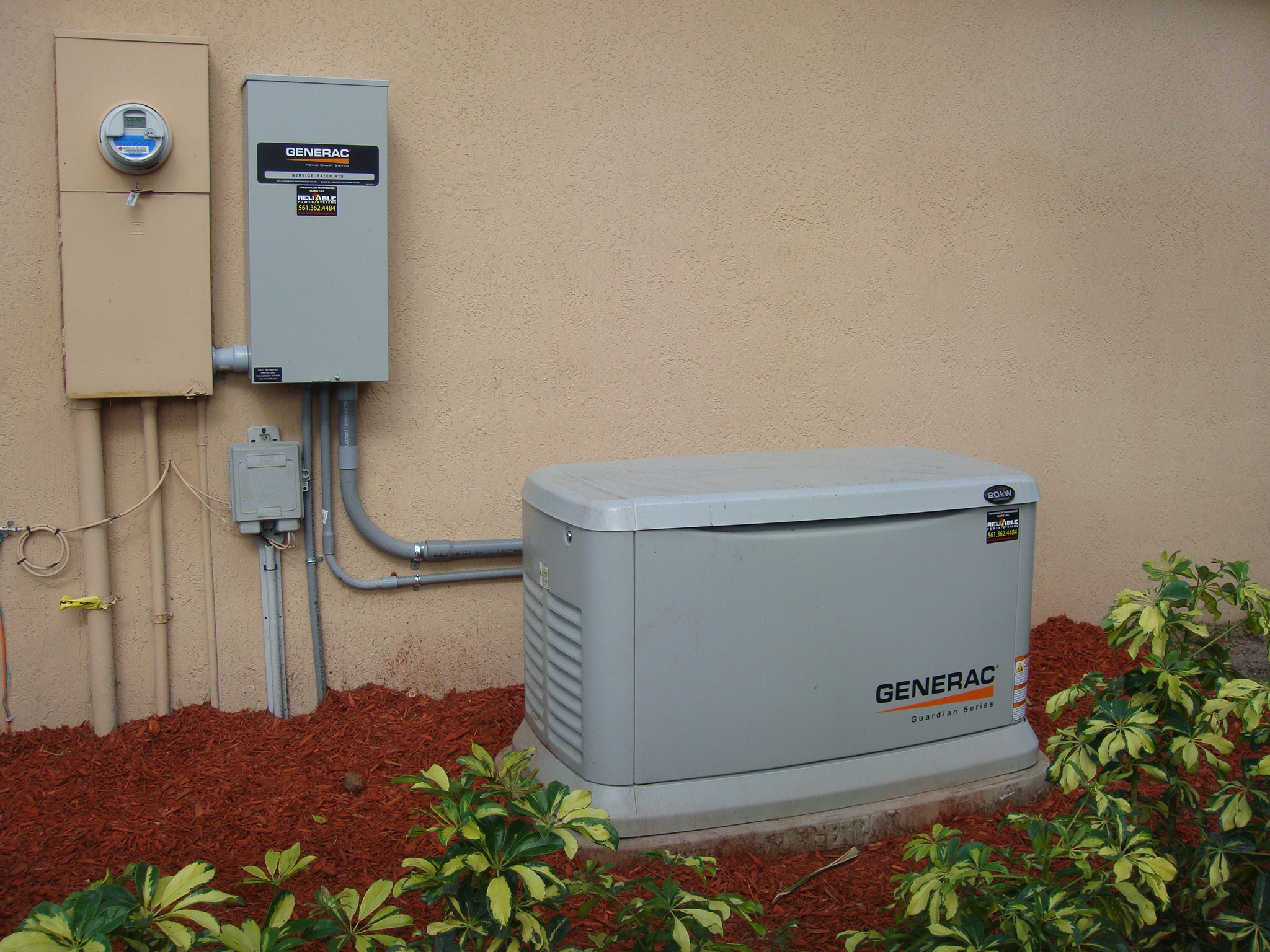
The Joy of Making Your Own Power
Even if you only generate enough electricity to charge your phone, there's something incredibly satisfying about creating your own power. It's a reminder that energy isn't just something that comes out of a wall socket. It's a force of nature that we can harness and understand. Plus, you'll have a killer story to tell at your next dinner party! "Oh, this? Yeah, I built it myself. Powers the whole place... practically."
So, get out there, experiment, and have fun! You might just surprise yourself with what you can create. And who knows, maybe you'll be the next Nikola Tesla… or at least have a really cool science project to show off.