How To Make A Room Less Humid

Ever walked into a room and felt an immediate sense of calm, a crispness in the air that just invites you to settle in and create? Or perhaps, conversely, you've encountered that dreaded sticky, muggy feeling that seems to cling to your inspiration, your tools, and even your very soul. Believe it or not, the secret to cultivating an environment where ideas truly flourish often lies in one surprisingly powerful element: humidity control. Making a room less humid isn't just about comfort; it's about crafting a sanctuary where every brushstroke, every written word, and every intricate detail can come to life without the damp interference of the outside world.
For the artists among us, managing humidity is akin to protecting your most precious treasures. Imagine your beautiful canvases staying taut and true, your watercolors drying evenly without unexpected buckles, and your delicate paper not curling like an autumn leaf. For hobbyists, it means your intricate model kits won't suffer from warped parts, your precious photo albums won't develop an unwelcome musty scent, and your crafting supplies – from yarn to wood – will remain in pristine condition, ready for your next project. Even for the casual learner or reader, a less humid space offers a haven of focus; no more sticky book pages or the discomfort of a sweaty brow interrupting your flow state. It’s about ensuring your environment actively supports your passion, rather than subtly undermining it.
Consider the myriad ways a balanced atmosphere enhances creative endeavors. For the fine artist, it means oils setting perfectly, pastels adhering smoothly, and clay maintaining its ideal malleability without drying too fast or staying too damp. In the realm of crafts, think of knitting projects where yarn stays fluffy, scrapbooking where adhesives set without trouble, or woodworking where precision isn’t compromised by swelling timber. Even the digital creator benefits, as less humidity means a healthier environment for sensitive electronics, reducing the risk of condensation and ensuring your gear performs optimally for those long, immersive design sessions. Musical instruments, especially those made of wood, thrive in stable humidity, preventing cracks and tuning issues that can dampen any melody.
Must Read
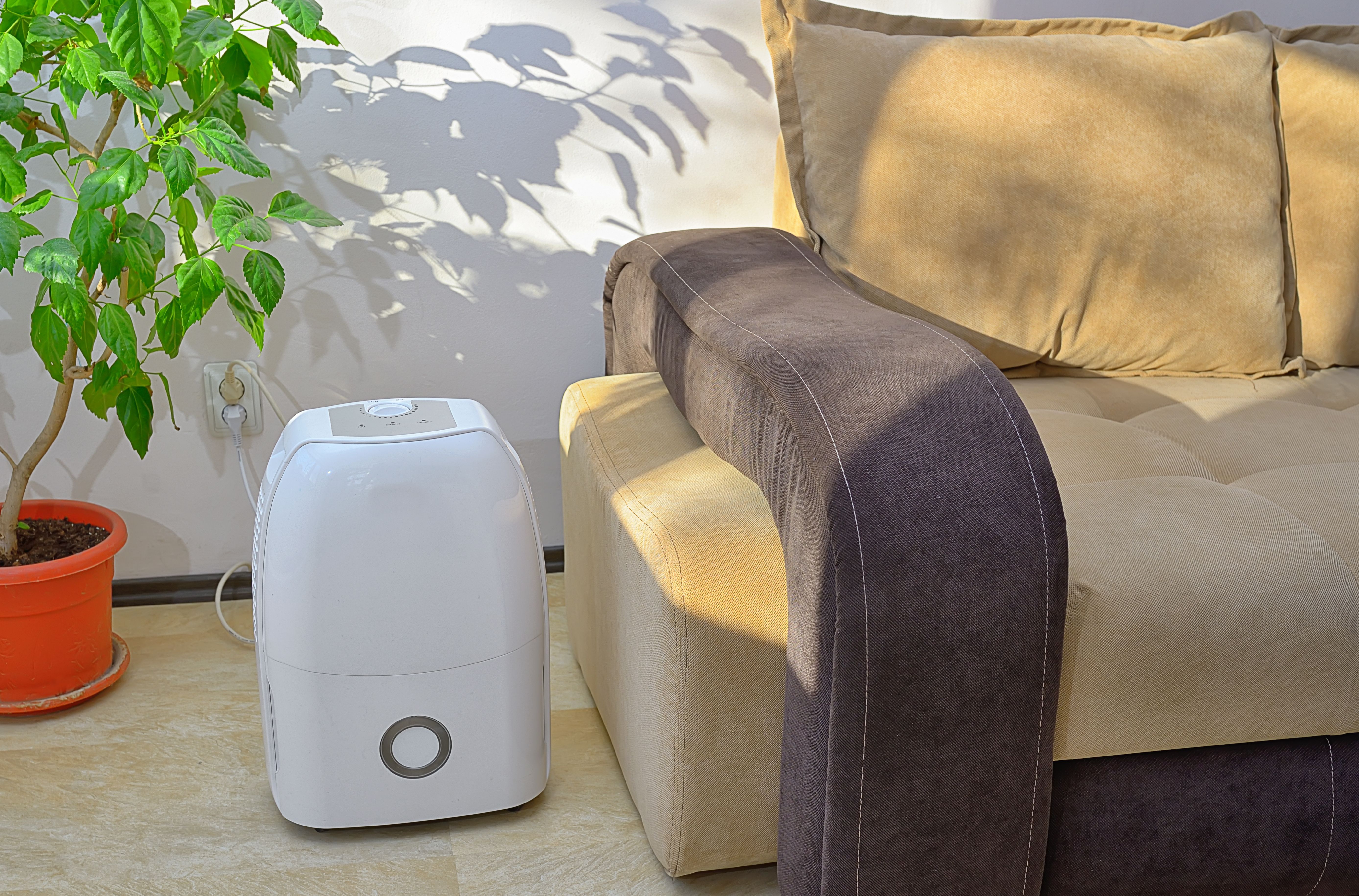
So, how do you conjure this ideal atmosphere at home? It's simpler than you might think! First, ventilation is your friend. Regularly opening windows and using exhaust fans (especially in bathrooms and kitchens) can work wonders. Second, consider a dehumidifier. These hardworking devices are remarkably efficient at extracting excess moisture from the air, making a noticeable difference almost immediately. Air conditioning units also dehumidify as a side effect, so cranking up the AC isn’t just for cooling. For smaller spaces, moisture absorbers – like silica gel packets or calcium chloride products – can be quite effective. Lastly, address any obvious culprits: avoid drying clothes indoors if possible, ensure good air circulation with fans, and promptly fix any leaks. A little vigilance goes a long way in banishing the dreaded damp.
Ultimately, making your creative space less humid is about more than just dry air; it’s about nurturing a feeling. It’s the joy of knowing your supplies are protected, your focus is sharper, and your comfort is paramount. It creates an invisible shield around your imagination, allowing it to roam free, unburdened by environmental distractions. Embrace the crisp, clean air, and discover how a little atmospheric tweaking can lead to a world of renewed inspiration and truly enjoyable creative pursuits!