
How To Make A Mold For Metal

Ever looked at a cool metal object and thought, "Man, I wish I could make that myself?" Well, guess what, future metal-bender? You totally can! Making a mold for metal might sound like something out of a medieval blacksmith's workshop (minus the dragons, thankfully), but it's actually a super fun, surprisingly accessible, and incredibly satisfying process. Think of it as playing in the sandbox, but with a grown-up, fiery twist!
We're going to chat about making a sand mold, which is probably the most popular and easiest method for home casting. It’s like building a sandcastle for molten metal, but you get to keep the castle! Ready to turn some liquid glow into a solid, awesome thing? Let's dive in!
What You'll Need (The "I'm a Future Metal Magician" Shopping List)
Before we get our hands dirty (literally!), we need some essential tools. Don't worry, nothing too exotic here.
Must Read
-
Green Sand (or Foundry Sand): This is your star player! It's not actually green, which is a bit of a marketing bummer, but it's a special mixture of sand, clay, and water that holds its shape like a champ when compacted. Do not use your kid's sandbox sand unless you want a very crumbly, very sad outcome.
-
A Flask (or Sand Mold Frame): This is like the container for your sandcastle. It usually comes in two halves – a top called the cope and a bottom called the drag. They fit together, ready to hold your masterpiece.
-
Your Pattern: This is the object you want to replicate in metal. It can be anything from a cool toy figure (make sure it's sturdy and won't melt!) to a simple geometric shape you carved yourself. Think of it as the original blueprint.

Introduction to DIY metal casting in sand molds - How to - YouTube -
Rammer or Mallet: For compacting that sand nice and tight. We're not talking a gentle pat; we're talking serious sand-squishing!
-
Slicker and Spoon Tools: These are your sculpting buddies for smoothing, trimming, and making little channels. Think tiny trowels for precision work.
-
Parting Compound (or Fine Powder): This magical dust helps ensure your mold halves don't stick together like overly affectionate siblings. Talc or baby powder can even work in a pinch!
-
Sprue Pin & Vent Rods: These are just fancy sticks! The sprue pin makes the main channel where your molten metal will flow in, and the vent rods create tiny escape routes for air. Because trapped air equals sad, bubbly castings.
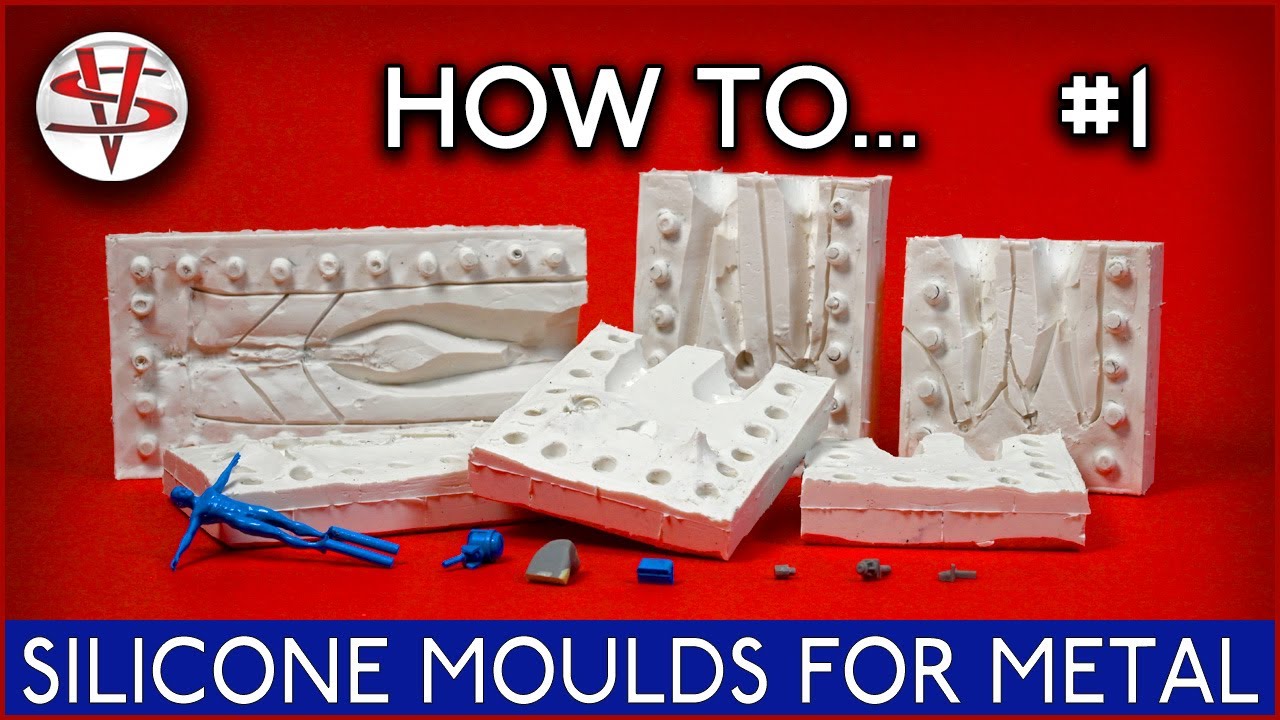
How To Make Homemade Casting Mold - Homemade Ftempo
Step-by-Step Fun! (Let's Get Moldy!)
Step 1: Prep Your Pattern (The Original Object)
First, make sure your pattern is clean and smooth. If it has any undercuts or tricky bits, make sure you can pull it out of the sand without destroying your mold. Sometimes a light coating of mold release spray helps, just like greasing a baking pan!
Step 2: Ramming Time! (The Bottom Half)
Place the drag (the bottom half of your flask) on a sturdy surface, open side up. Put your pattern inside, face down, making sure it’s roughly in the middle and slightly buried in a thin layer of sand. Now, start sifting green sand over it. Once covered, start ramming! You want it firmly compacted around your pattern and throughout the entire drag. Think of it like making a really, really dense brownie. Once it's packed to the top, use a straight edge to scrape off the excess.
Step 3: Flip It & Split It (Hello, Middle!)
Carefully flip the drag over. Now your pattern is facing up. Sprinkle some parting compound liberally over the entire surface of the sand and your exposed pattern. This is crucial! It ensures the two halves of your mold won't become one giant, inseparable blob. Place the cope (the top half of your flask) directly on top of the drag, lining them up perfectly.
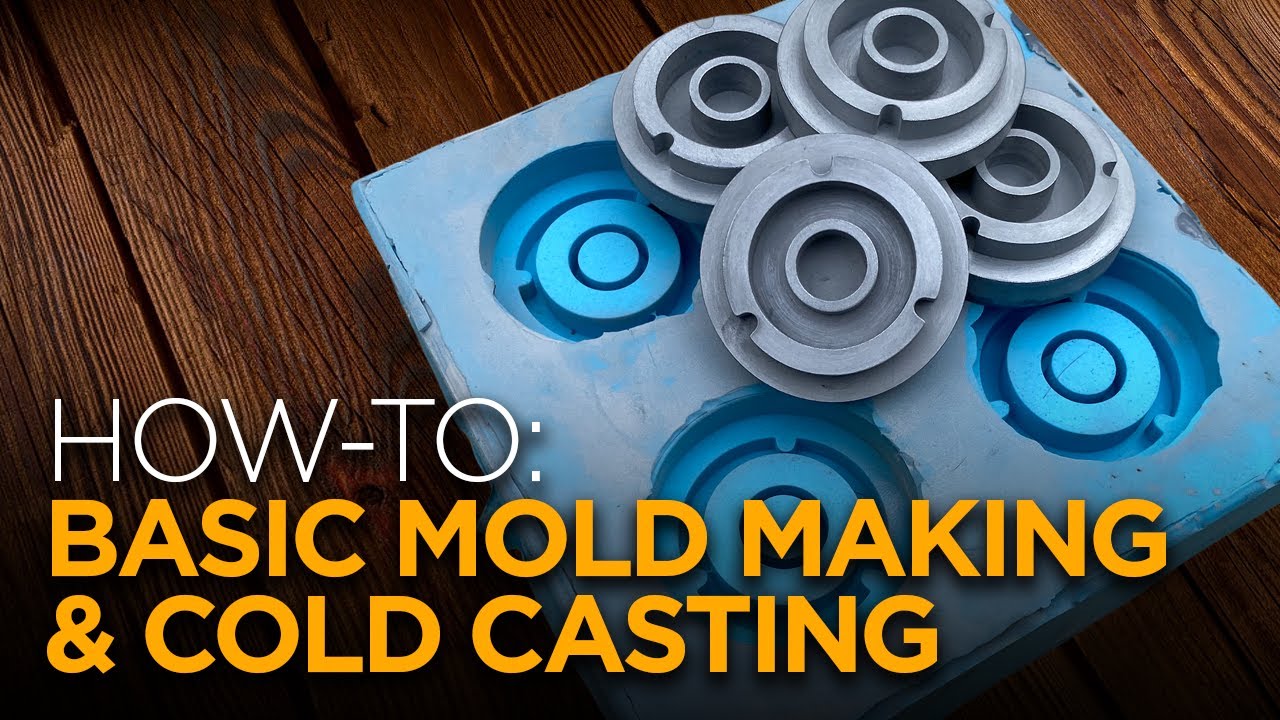
Step 4: Gating & Venting (The Superhighways for Metal & Air)
Insert your sprue pin (the main metal entrance) into the sand of the cope, usually about an inch or two away from your pattern. Ram sand around the pin just like you did before, filling the cope. Once compacted, carefully twist and pull out the sprue pin. Now you have a clean channel!
Next, use your vent rods (those smaller sticks) to poke several tiny holes through the cope's sand, reaching close to your pattern. These are the air escape routes – essential for preventing gas bubbles in your finished casting.
Step 5: Separate & Retrieve! (The Big Reveal)
Gently, oh so gently, lift the cope straight up off the drag. If you used enough parting compound, it should separate cleanly, revealing your pattern in both halves. Now, the moment of truth: using a steady hand, carefully wiggle and remove your pattern from the sand. You should be left with a perfectly detailed impression of your object!
Use your slicker and spoon tools to smooth any rough edges in the mold cavity. You might also want to carve a small channel (a "runner") from the bottom of your sprue to the entrance of your pattern cavity – this helps guide the metal smoothly.

Step 6: Close 'Er Up (Ready for Action!)
Carefully place the cope back onto the drag, making sure they line up perfectly. Clamp them together securely if your flask has clamps. Now, you have a complete, ready-to-receive-molten-metal mold!
A Few Friendly Nudges (Safety First, Friends!)
Remember, once your mold is made, the next step involves molten metal. This is super hot stuff, so safety is paramount! Always wear appropriate personal protective equipment (PPE) like thick gloves, a face shield, and heat-resistant clothing. Never work alone, and always have a fire extinguisher handy. We're going for cool creations, not fiery mishaps!
There you have it! You've just learned the basics of how to make a sand mold for metal casting. It's a journey that combines a bit of art, a dash of science, and a whole lot of careful craftsmanship. Each mold you make will teach you something new, refine your technique, and build your confidence.
So go on, embrace your inner alchemist! Imagine the possibilities: custom belt buckles, unique jewelry, tiny sculptures, or even just a cool paperweight. The satisfaction of pouring liquid metal into a form you’ve created with your own hands and watching it solidify into something tangible and beautiful is truly magical. Keep experimenting, keep creating, and most importantly, keep having fun! Your next metal masterpiece is just a mold away. Happy casting!