
How To Make A Mold And Cast
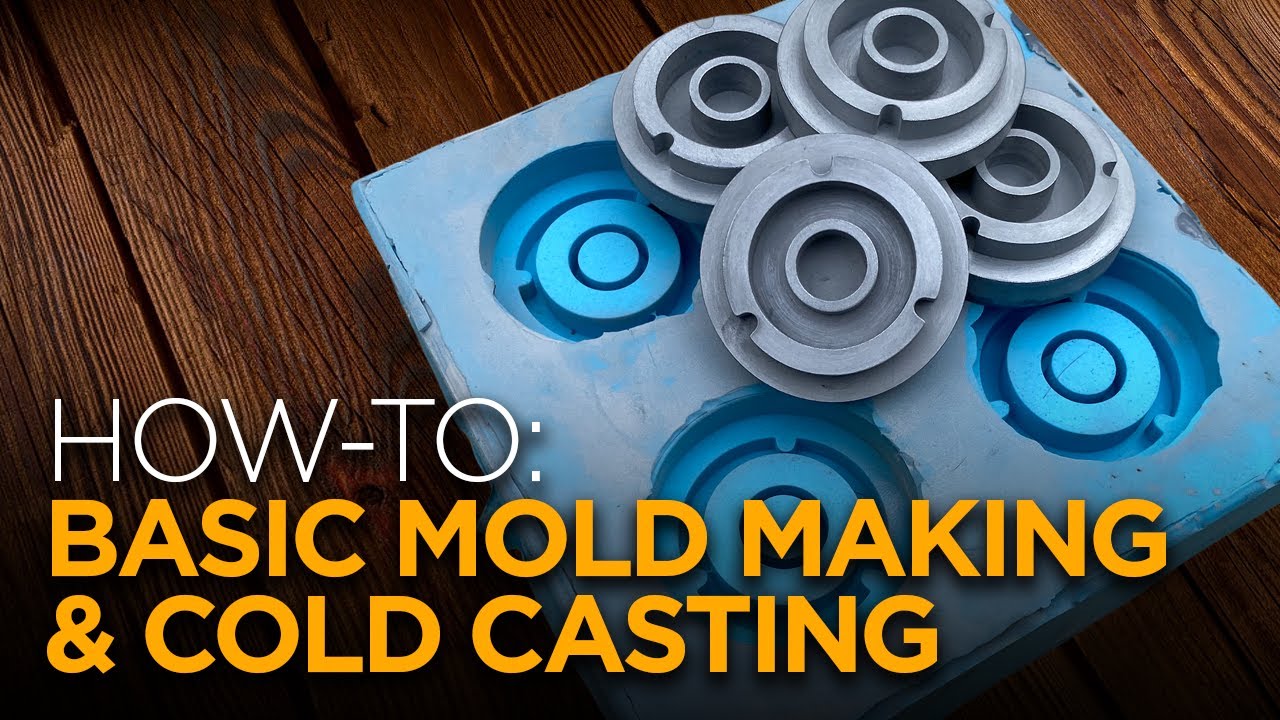
Ever look at something truly unique and think, "Wouldn't it be better if there were more of these?" Some might call that a rebellious thought. We just call it practical. Why settle for one perfect thing when you could have a whole squadron of them?
Society often whispers about the sacredness of the original. But frankly, originals are just prototypes, aren't they? They're the first draft, the trial run, before you truly nail mass production.
So, let's embark on a secret journey. A journey of replication, of creating identical twins, or even triplets. Because sometimes, one simply isn't enough, and that's an unpopular opinion worth championing.
Must Read
The Grand Duplication Conspiracy (or, Just Making Stuff)
Forget the myth of irreplaceable treasures. Everything, absolutely everything, can have a doppelgänger. It’s not about disrespecting the original; it’s about appreciating its form so much, you want it to multiply.
This isn't just about making copies. It's about wielding a power usually reserved for nature itself. You're becoming a minor deity of duplication, a benevolent clone-creator.
Step 1: Choosing Your Victim (I Mean, Original)
First, you need an object. Pick something interesting, something with character, something that screams, "I deserve to be everywhere!" Maybe it's a quirky figurine, a cool rock, or that odd antique spoon.
Seriously, go find something truly magnificent. The more details, the more fun the replication challenge. Don't listen to anyone who says, "But that's one-of-a-kind!"
"One-of-a-kind" is just a dare, if you think about it.
Your chosen object needs to be sturdy. It's going on an adventure into a gooey, temporary prison. Nothing too fragile, or you might end up with two halves of your beloved original.
Step 2: Preparing for the Great Goo-ening
Now, your chosen object needs a spa day. Give it a good clean; no one wants dust bunnies immortalized in resin. Then, depending on your material, a little barrier spray might be needed.
This barrier is like a non-stick coating for your original. It ensures a clean break later. Think of it as preparing your masterpiece for its big debut, or rather, its big capture.
Next, construct a little wall around your object. This can be Lego, cardboard, or even plasticine. It's a temporary fence, a little arena where the magic will happen.

Step 3: Mixing the Magic Goop (For the Mold)
Here comes the fun part: mixing the mold material. Often, it comes in two parts, like a secret potion. You mix them together, and suddenly, you have a substance that promises transformation.
Follow the instructions carefully, or your goop might not set. Think of it like baking a cake, but for science. No one wants a saggy cake, or a saggy mold, for that matter.
It starts out liquidy, sometimes a bit smelly, and always, always a little exciting. This is the stuff that will capture every tiny detail, every curve and crevice of your precious original.
Step 4: The Great Encasement
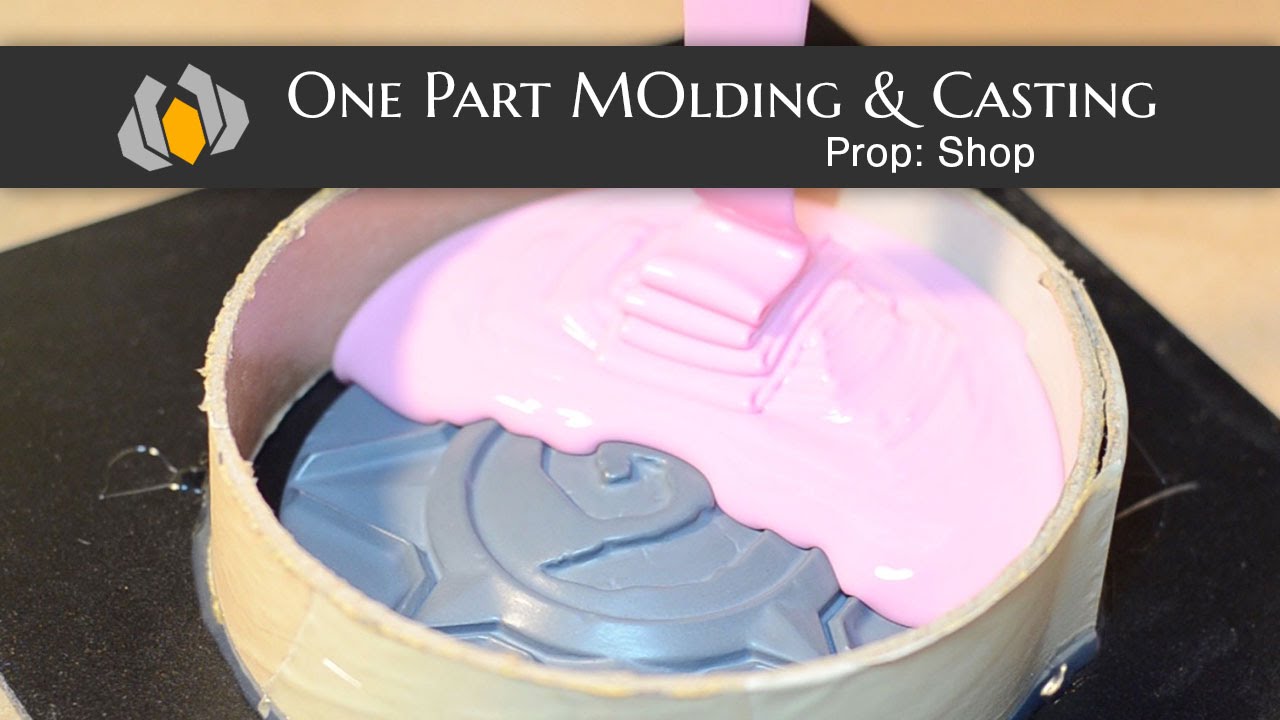
Slowly, deliberately, pour your gooey mixture over your object. Imagine you're gently tucking it into a soft, temporary bed. Make sure there are no air bubbles trapped underneath.
You can gently tap the table or use a small brush to tease out any sneaky bubbles. Air bubbles are the enemies of perfect replication. They leave tiny imperfections, and we're aiming for glorious uniformity here.
Cover the entire object, making sure the goop fills every nook and cranny. This is where the magic truly begins to encapsulate your chosen item. It's a little bit thrilling, a little bit messy.
Step 5: The Agonizing Wait (and Maybe a Snack)
Now, we wait. This is arguably the hardest part of any creative endeavor. The mold material needs time to cure, to transform from liquid goo into a solid, flexible impression.
Resist the urge to poke it every five minutes. It's like watching paint dry, but with higher stakes. Go get a coffee, read a book, or contemplate the profound beauty of duplication.

Patience is a virtue, especially when you're unlocking the secrets of replication. Good things come to those who wait, especially good, perfectly set molds.
Step 6: The Big Reveal (Part One)
Once your mold is firm and rubbery, it’s time for the big moment. Carefully dismantle your temporary fence. Then, gently, very gently, peel back the mold from your original object.
This is where you see the ghost of your object, its perfect negative impression. It's like magic, but with science and a bit of a satisfying pop as it releases. Your original is now free, unharmed.
You're left with a perfect cavity, a void shaped exactly like your object. This, my friends, is your master duplicator. This is your engine of creation. This is your mold.
Now, Let's Make Some Clones!
With your magnificent mold in hand, the real fun begins. Now we get to fill that empty space and bring forth new life. Or, at least, new objects. It's practically the same thing.
This is where you prove that singularity is merely a suggestion. You've got the power now. The power to multiply, to replicate, to create your own perfectly uniform army of things.
Step 7: Preparing Your New Best Friend (The Mold)
Clean your mold thoroughly. Any little bits left behind will show up on your duplicate. We're aiming for perfection, or at least, charming imperfection that looks intentional.
You might need to apply a release agent to the inside of your mold. This ensures your newly formed duplicate doesn't get stuck. Think of it as lubricating the birthing canal of your new creation.

Make sure your mold is stable and level. You don't want your liquid casting material sloshing about. A little cradle or stand can work wonders here.
Step 8: Mixing the Other Magic Goop (For the Cast)
Just like before, you'll likely have two parts for your casting material. This could be resin, plaster, concrete, or even chocolate, depending on your ambitions.
Mix them precisely according to the instructions. This is crucial for achieving the right consistency and cure. Too much of one, and you get a sticky mess. Too little, and it never hardens.
This goop often has a different texture or color than the mold material. It’s the lifeblood of your new creation, ready to take shape and fulfill its duplicated destiny.
Step 9: Filling the Void (Literally)
Slowly, steadily, pour your casting material into your mold. Again, avoid air bubbles. Pouring from a slight height can help release them before they get trapped.
Fill the mold completely, right up to the edge. You want a full, complete duplicate, not a half-formed disappointment. This is the moment of genesis for your new creation.
If your object has tiny details, you can gently tap the mold to encourage the material to flow into every nook. It’s a delicate dance between gravity and goo.
Step 10: The Second Agonizing Wait (Maybe Another Snack)
You know the drill. Now you wait for the casting material to cure. This can take hours, or even days, depending on your chosen material. The anticipation builds once more.
Again, resist the urge to peek. Let science do its work. Imagine your new duplicate solidifying, strengthening, becoming its own perfect self within the mold's embrace.
This waiting period is a test of character. It separates the casual observer from the true duplication enthusiast. Embrace the suspense; it makes the reveal all the sweeter.
Step 11: The Grand Unveiling (Part Two)
Once your cast is fully cured and hard, it's time for the final act. Gently demold your new creation. Peel back the flexible mold, revealing your duplicate in all its glory.
There it is! A perfect copy, a twin, a clone! The satisfaction is immense. You have literally brought something new into existence, mirroring an existing form. Take a bow, you magnificent creator.
This moment solidifies your unpopular opinion: why have one when you can have many? The world needs more of the good stuff, and you're now providing it.
Step 12: The Finishing Flourishes
Your newly cast object might have some rough edges or little bits of flashing. These are easily trimmed away with a craft knife or sanded smooth. Think of it as polishing your masterpiece.
Now you can paint it, distress it, or leave it as is. It's your creation, your duplicate, your statement against the tyranny of singularity. You are now the proud owner of a magnificent replica.
So go forth, armed with your new superpower. Duplicate responsibly, or not. The world is your oyster, and now you can make as many pearl necklaces as you desire. Because more is always, undeniably, better.