
How To Know You Have A Gas Leak

Okay, picture this: You’re chilling on the couch, maybe doom-scrolling, maybe actually watching something good. Suddenly, a faint whiff hits you. You pause. What was that? Did the cat… no. Did someone leave something in the fridge too long? You do a quick mental inventory of everything slightly off in your life, trying to pinpoint the source. Most times, it’s nothing, right? A rogue piece of broccoli in the back of the fridge, or maybe you just caught a whiff of next door's questionable dinner choices. Our brains are fantastic at making us second-guess ourselves, especially when it comes to smells.
But what if your nose, that incredible, underappreciated sensory organ, is actually trying to send you a five-alarm warning? What if that strange smell isn’t just your neighbor’s experimental cooking, but something a whole lot more serious? We’re talking about a gas leak, folks. And knowing how to spot one isn’t just good adulting; it’s literally a matter of safety. So, let’s peel back the layers of mystery, shall we?
The Ol' Sniffer Test (aka: Your Nose Knows!)
This is probably the most famous, and for a good reason, the most effective way to detect a gas leak. Natural gas itself is actually odorless. Yep, completely scent-free. Which, let’s be honest, would be terrifying if it weren't for some seriously smart folks who decided, “Hey, maybe we should add something stinky to that!” So, they add a chemical called mercaptan. And mercaptan? It smells like rotten eggs. Or, if you’re feeling less poetic, like something died a long, slow, sulfuric death.
Must Read
If you catch that distinctive rotten egg smell, especially if it’s lingering or seems to be getting stronger, don’t dismiss it. Your brain might try to tell you it’s nothing, but your nose knows better. It's an intentional warning system, put there specifically for you. So, when your home suddenly smells like a particularly pungent breakfast gone wrong, pay attention.
Listen Up! (No, not to me – to your house!)
Sometimes, a gas leak isn't a silent affair. Depending on the size of the leak and the pressure of the gas, you might actually hear it. Think about it: gas escaping from a pipe under pressure. What does that sound like? You got it!
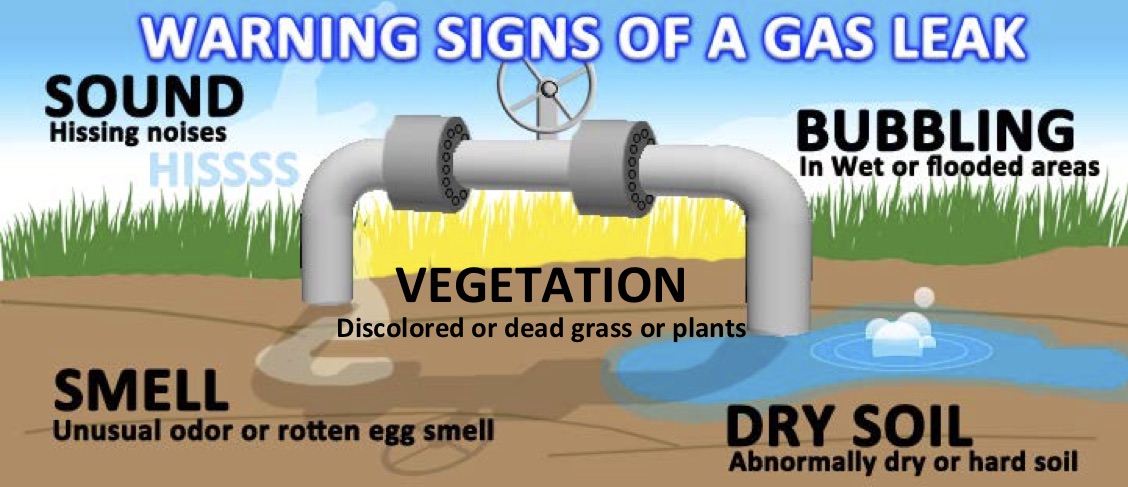
Keep an ear out for any unusual hissing or whistling sounds coming from gas appliances (like your stove, water heater, or furnace) or from pipes connected to them. It’s like a tiny, invisible snake making itself known. If you hear something that sounds suspiciously like air escaping, but you can’t pinpoint where, it could be gas making its grand escape. Silence might be golden, but sometimes a hiss is a hint!
See Anything Weird? (Beyond the dust bunnies, I mean)
Your eyes can be your allies too, believe it or not. While natural gas is invisible, its effects aren't always. Here’s what to look for:

- Dying or discolored plants: If you have indoor plants, and they're suddenly looking very sad or dying for no apparent reason, especially near a gas appliance or line, this could be a sign. Gas can deprive plants of oxygen. If it’s an outdoor leak, you might see patches of dead vegetation on your lawn where a gas line runs underground.
- Dust or debris blowing: If there's a strong enough leak, the escaping gas can actually kick up dust, dirt, or debris around the leak site. Imagine a mini, localized dust devil.
- Bubbles in standing water: If you have an outdoor gas line and there’s standing water (like in a puddle or a ditch) nearby, you might see unexplained bubbles appearing on the surface. That’s the gas bubbling up through the water.
- A white cloud or fog: While natural gas is clear, it can sometimes cause condensation, creating a visible fog or mist near the leak point, especially in cold weather.
Pretty wild, right? Who knew gas could be such a drama queen, leaving all these visual clues?
Feeling… Off? (It might not be the flu!)
Now, this is where things get a little tricky, because these symptoms can also point to other issues (like, you know, being alive). But if you or anyone in your household starts experiencing unexplained headaches, dizziness, nausea, fatigue, or difficulty breathing, especially when you’re inside, and these symptoms ease up when you go outside, it could be related to gas exposure.

It’s important to clarify: while natural gas itself isn't toxic in small amounts, it’s an asphyxiant. In high concentrations, it displaces oxygen, meaning you’re not getting enough air. Also, sometimes a faulty appliance can produce carbon monoxide (which is also odorless and incredibly dangerous, but that’s a whole other article!). The key takeaway here is: if you feel unwell and suspect gas, get fresh air immediately.
Okay, I Think I Have a Leak. Now What?!
Alright, so you’ve smelled it, heard it, seen it, or felt it. What’s your next move? This is the most crucial part. Do NOT try to find the source yourself with a lighter (seriously, people have done this). Do NOT turn on or off any light switches or appliances, as a spark could ignite the gas.

Your action plan is simple and swift:
- Get everyone out of the house immediately. This includes pets!
- Once you're at a safe distance (like a neighbor's house or down the street), call your gas company’s emergency number or 911. They are the pros, and they’ll handle it safely.
- Do NOT re-enter your home until emergency personnel tell you it's safe to do so.
And finally, a little pro-tip: consider investing in a natural gas detector. They’re like smoke detectors, but for gas, and can provide an early warning. Think of them as your silent, vigilant guardian angels.
So, next time you catch a weird whiff, don’t just shrug it off. Your senses are powerful tools, and sometimes, they’re shouting important messages. Stay safe out there!