
How To Know When Your Water Heater Is Going Out
Hey there! Ever wonder about your water heater? Yeah, that metal behemoth lurking in your basement or closet. It works tirelessly, providing us with toasty showers and clean dishes. But, like everything else, it doesn't last forever. So, how do you know when it's about to kick the bucket? Let’s dive in!
Rusty Water? Eww!
Okay, this is a biggie. Think your water’s looking a little...orange? Rusty water coming from your taps, especially when you first turn them on, is a major red flag. It usually means your water heater tank is corroding.
Imagine it like this: your water heater is slowly turning into a steampunk sculpture of rust on the inside. Not exactly what you want to wash your face with, right?
Must Read
Fun fact: Did you know some people believe that rusty water is good for plants? We definitely don't recommend testing that theory with your prized orchids. Stick to regular tap water for your leafy friends!
Strange Noises: Is Your Water Heater Possessed?
Gurgling? Rumbling? Banging? Is your water heater trying to communicate? Probably not. These are usually signs of sediment buildup in the tank. Over time, minerals in the water settle at the bottom.
Think of it as your water heater collecting tiny, annoying rocks. These rocks get heated, churned, and generally make a racket. It's like a miniature construction site going on in your basement! Ignoring these noises could lead to bigger problems down the road, so listen up!

Quirky fact: Some people say that the specific noise a failing water heater makes can predict the weather! Okay, we totally made that up. But wouldn't it be cool if it were true?
Lukewarm Showers? Brrr!
Nothing's worse than expecting a hot, steamy shower and getting a chilly surprise. If your water is consistently lukewarm, something's definitely amiss. It could be a faulty heating element, a broken thermostat, or… gasp… a dying water heater!
Think about it. You're mentally preparing for relaxation, picturing the hot water washing away all your stress. Then BAM! You're shivering like a polar bear. Not ideal.
Funny detail: Have you ever tried doing a "hot water dance" in the shower, desperately trying to find a warm spot? We’ve all been there! (Don’t deny it!)
Leaks: Houston, We Have a Problem!
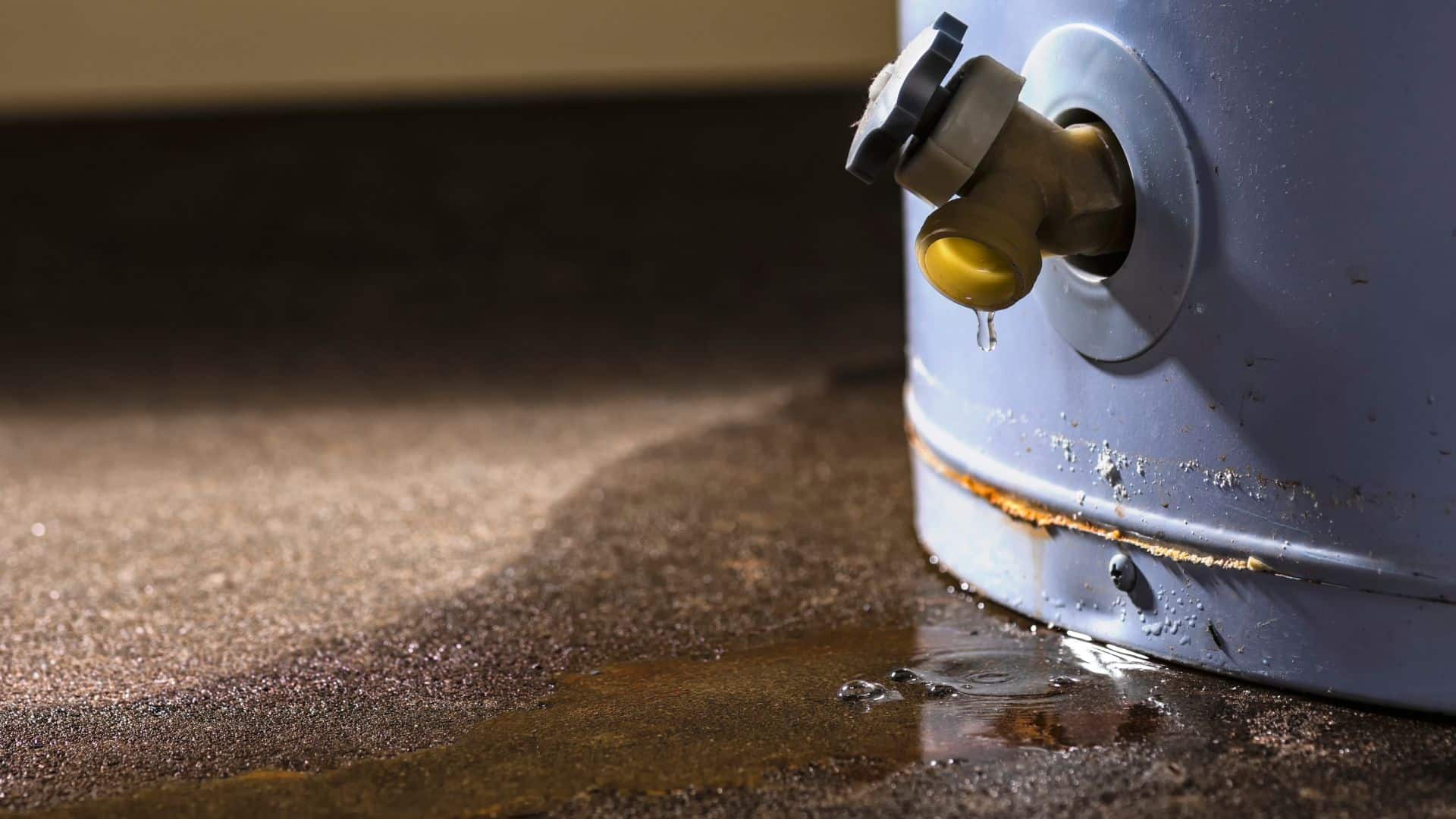
Water and electronics? Not a good mix. If you spot any leaks around your water heater, take action immediately. Even a small drip can indicate a serious problem, like a crack in the tank or a loose connection.
Imagine the horror of walking into your basement and finding a mini-lake. Not only is it inconvenient, but it can also cause serious water damage. Save yourself the headache (and the insurance claim!).
Important note: Turn off the water supply to the heater if you find a leak! And call a plumber, stat!
Age Matters: Water Heaters Aren’t Immortal
Water heaters don't live forever. Most have a lifespan of around 8-12 years. Check the manufacturer's date on your unit. If it's nearing the end of its run, it might be time to start thinking about a replacement.
Think of it like this: your water heater is like a trusty old car. It might still run, but it's probably not as efficient as it used to be, and it's more likely to break down at any moment. Time for an upgrade!
Extra Tip: Keep an eye on your energy bills. A failing water heater might be working overtime, causing your bill to spike. So, if your bill is unusually high, your water heater might be the culprit.

Preventative Maintenance: Show Your Water Heater Some Love
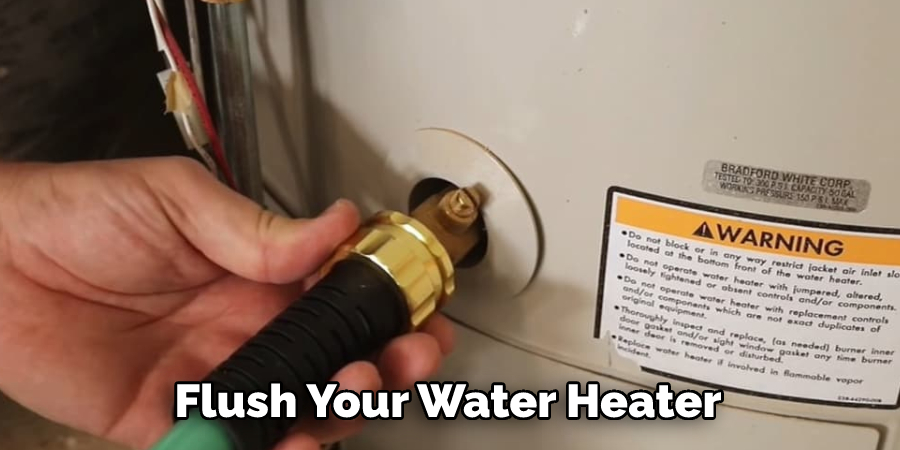
Want to extend the life of your water heater? Regular maintenance is key! Flush the tank annually to remove sediment. This helps prevent those annoying noises and keeps your water clean. And while it might not prevent it from eventually going kaput, it may add a year or two to its life.
Imagine you’re giving your water heater a spa day! A little TLC can go a long way. Your wallet will thank you, and you'll enjoy those hot showers for longer.
Think about it: Taking care of your water heater is like flossing your teeth. It's not the most exciting activity, but it's crucial for long-term health!
So, there you have it! Keep an eye out for these signs, and you'll be able to catch a failing water heater before it turns into a full-blown disaster. Happy heating!