
How To Know When Septic Tank Is Full

Hey there, friend! Let's talk about something a little… unmentionable but super important if you’re a septic system homeowner. You know that quiet, underground hero that deals with all your household waste? Yep, your septic tank! It’s easy to forget about it, humming along nicely beneath the soil, doing its dirty work without a fuss.
But like any good superhero, even your septic tank has its limits. Eventually, it gets full, and trust me, you don't want to be caught off guard when it throws in the towel. So, how do you know when it’s time to call in the cavalry (aka, the septic professional)? Grab a snack (maybe not a chocolate one, given the topic) and let's dive into the fascinating, albeit sometimes fragrant, world of a full septic tank!
The Stinky Truth: Unpleasant Odors
Okay, let’s get the most obvious (and least pleasant) sign out of the way first. If you start noticing a distinctly un-floral aroma wafting around your property, especially near the septic drain field or even inside your house, that’s a pretty big red flag.
Must Read
We're talking about that unmistakable sewage smell. It’s not just a faint whiff; it's a "hold-your-nose-and-wonder-what-the-dog-did" kind of smell. If your bathroom suddenly smells like an overloaded port-a-potty, even after a good scrub, your tank might be saying, "I'M OVER IT!" loud and clear. This often means gases are escaping because the system is backed up. Yum!
Your Drains Are Telling You Something
Remember how your sink used to drain water like a champion swimmer? Now, it’s more like a tired old snail trying to cross the finish line. Slow drains throughout your house are a classic symptom. We're talking about the shower that turns into a mini-foot bath, the toilet that takes an eternity to flush, or the kitchen sink that seems perpetually half-full.
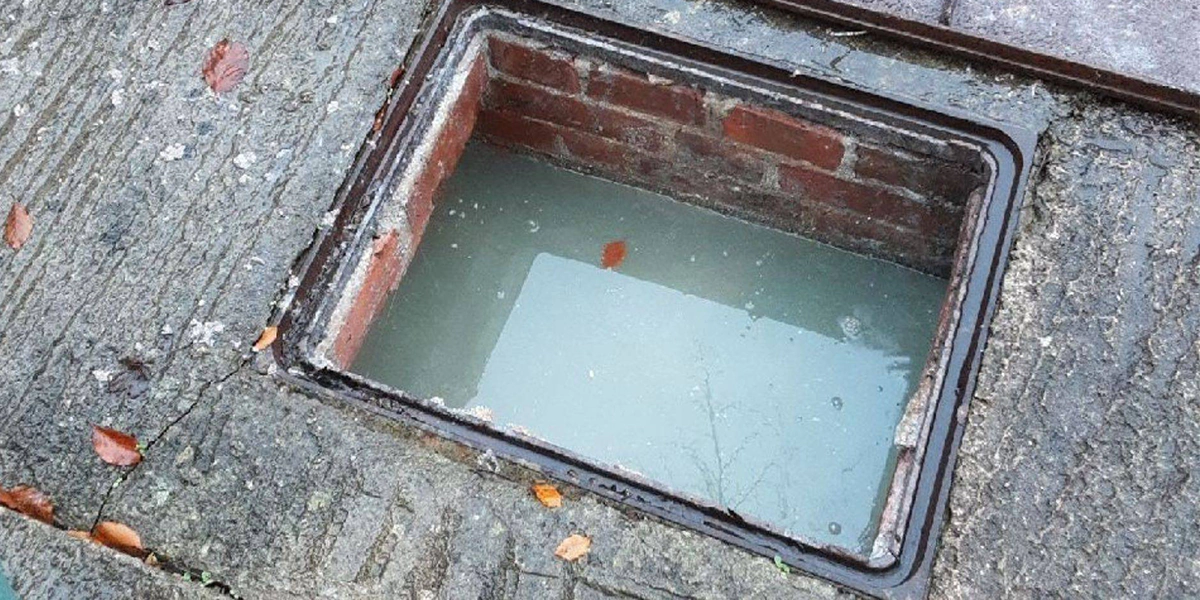
And then there's the ultimate horror: sewage backups. Yes, that’s right. When your tank is completely overloaded, the waste has nowhere to go but back up into your drains, toilets, or even bathtubs. Picture trying to flush, only for it to gurgle menacingly and then… come back up. No one wants that kind of morning surprise, trust me. It’s a sure sign of a serious problem.
Lush, Green Grass (Not the Good Kind!)
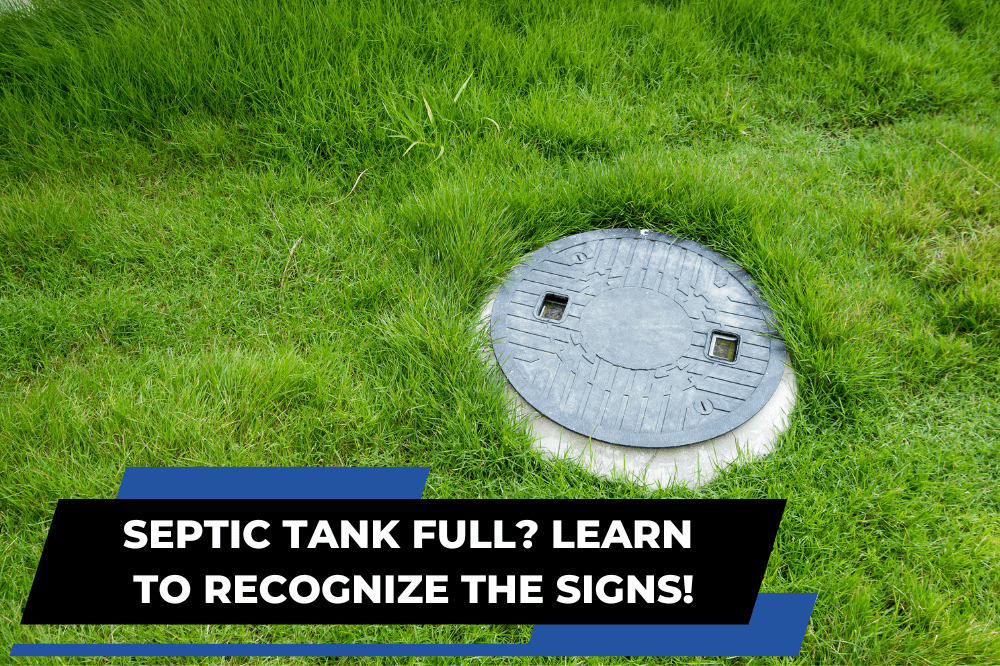
Now, this one might sound counterintuitive. Who doesn't love a vibrant green lawn? But if you notice a particular patch of grass over your septic tank or drain field that is exceptionally lush, green, and perhaps a bit spongy, while the rest of your lawn looks perfectly normal, that's actually a cause for concern.
Why? Because it means your septic system is overflowing, and the wastewater (aka, nutrient-rich, uh, liquid) is surfacing and essentially fertilizing that specific area. It’s like a little sewage-fed oasis in your backyard. Pretty, but pretty gross when you think about it.
Puddles, Gurgles, and General Distress
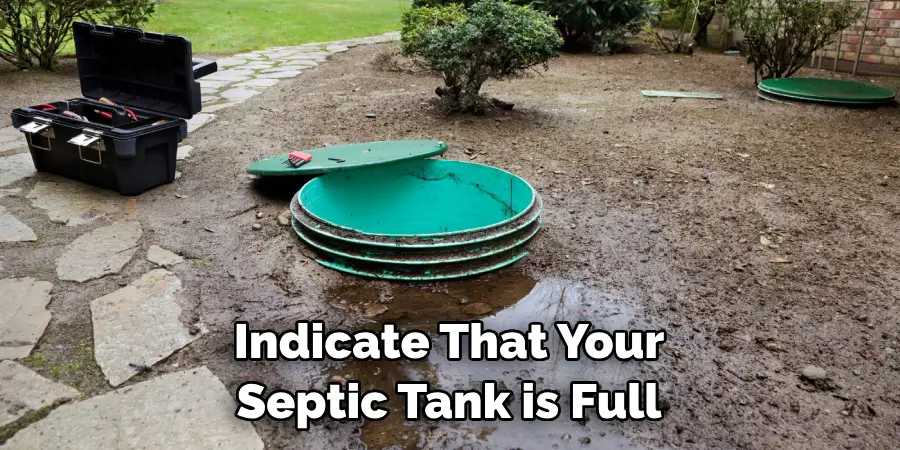
Another visual clue is standing water or puddles in your yard, especially near the septic area, even when it hasn't rained. This is a dead giveaway that wastewater is finding its way to the surface. It’s not just a cute little pond; it’s a sign of a failing system.
Also, listen closely to your plumbing. Are you hearing strange gurgling noises from your pipes or drains, even when you're not actively using water? That's another indication that air is trapped due to blockages or a full tank, trying to find its way through a very crowded system. Your pipes are literally groaning under the pressure!

"Oh, Crap!" - What to Do Next
So, you've spotted one or more of these tell-tale signs. Don't panic! Well, maybe a little panic is okay, but then take action. DO NOT try to fix it yourself. Septic systems are complex, can be dangerous (think harmful bacteria and gases), and honestly, it’s just not a fun DIY project.
Your best bet is to call a qualified septic professional immediately. They have the right tools, knowledge, and bravery to deal with the situation safely and effectively. They'll assess the situation, pump your tank, and check for any other issues. Consider them the superheroes who clean up after the other superhero (your septic tank).
Keep It Flowing: Regular Maintenance is Key
The absolute best way to avoid these smelly, sludgy situations is through proactive maintenance. Get your septic tank inspected and pumped regularly, usually every 3-5 years, depending on your household size and tank capacity. It’s like giving your car an oil change – essential for its long-term health.
Don't flush anything that isn't human waste or toilet paper (and even then, be sensible!). Avoid pouring grease down the drain. These little habits make a huge difference in keeping your underground hero happy and functional.
While thinking about a full septic tank might not be the most glamorous part of homeownership, knowing the signs can save you a whole lot of headache, hassle, and potential embarrassment. By paying attention to those subtle (and not-so-subtle) cues, you can catch problems early and keep your system running smoothly.
So, take a deep breath (hopefully, a fresh one!), give a little nod of appreciation to your hard-working septic tank, and remember: a little vigilance goes a long way in keeping your home happy, healthy, and wonderfully odor-free. You got this, savvy homeowner!