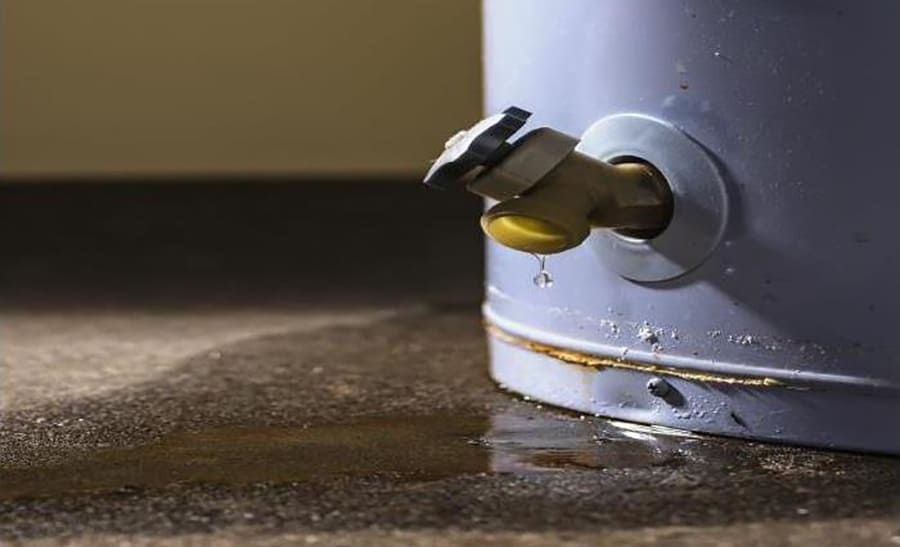
How To Know If Your Water Heater Is Leaking
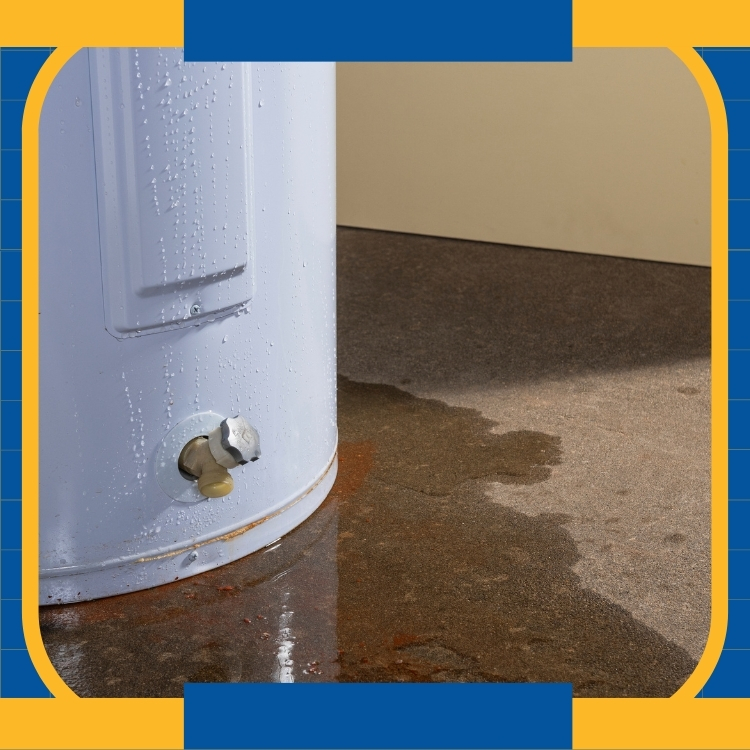
Ah, the humble water heater. We often take it for granted, tucked away in a basement, closet, or garage, silently churning out the warm, comforting embrace we crave. Think about it – a steaming shower on a chilly morning, a relaxing soak in a hot bath after a long day, effortlessly clean dishes sparkling in the rack. These simple pleasures, often overlooked, are largely thanks to that unsung hero of the household: your water heater.
The primary purpose of a water heater is, of course, to provide a reliable source of hot water for various domestic needs. From washing clothes and preparing meals to powering your dishwasher and ensuring sanitary handwashing, hot water is an essential component of modern life. We rely on it constantly, usually without a second thought. But what happens when that dependable source starts to fail?
One of the most common (and potentially disastrous) issues is a leak. A leaking water heater isn't just a nuisance; it can lead to significant water damage, mold growth, and even electrical hazards if not addressed promptly. Early detection is key to minimizing the damage and preventing costly repairs.
Must Read
So, how do you know if your water heater is leaking? Here are some practical tips to help you become a savvy water heater detective:
1. The Obvious Signs: Puddles and Dampness. This might seem ridiculously straightforward, but the first thing to do is visually inspect the area around your water heater. Look for any signs of standing water, damp spots, or unusual condensation. Check the floor, walls, and even the ceiling below if your water heater is located on an upper floor. Don't just glance; get down on your hands and knees for a closer look.

2. Check the Connections. Examine all the pipes and fittings connected to your water heater. Pay particular attention to the inlet and outlet pipes (where water enters and exits), the pressure relief valve, and the drain valve. Look for any signs of corrosion, rust, or mineral buildup. Even a small drip from a loose connection can eventually lead to a significant leak. Use a flashlight to get a better view of those hard-to-reach areas.
3. Listen Carefully. Sometimes, a leak isn't visible. Listen for any unusual hissing, gurgling, or dripping sounds coming from or around your water heater. These sounds can indicate a leak even before visible signs appear.

4. Inspect the Tank Itself. Carefully examine the tank of your water heater for any signs of rust, cracks, or bulges. These are all indicators of potential failure and could lead to a major leak. If you see any of these signs, it's time to call a qualified plumber immediately.
5. Check the Pressure Relief Valve (TPR Valve). The TPR valve is designed to release excess pressure in the tank. If it's constantly dripping or leaking, it could indicate a problem with the valve itself or a larger issue with the water heater's pressure. This is a critical safety feature, so don't ignore it.

6. Monitor Your Water Bill. A sudden and unexplained increase in your water bill could be a sign of a hidden leak, even if you don't see any obvious signs around your water heater. This is especially true if your water usage habits haven't changed.
By regularly inspecting your water heater and being proactive about addressing any potential issues, you can extend its lifespan, prevent costly repairs, and ensure a continuous supply of hot water for years to come. Remember, a little vigilance can go a long way in protecting your home and your wallet!