
How To Know If Your Carbon Monoxide Detector Is Working

Okay, let's chat about something super important but also, dare I say it, a little bit… fun? We're diving into the mysterious world of your carbon monoxide (CO) detector. Yeah, that little gadget quietly hanging on your wall or chilling near the ceiling. It’s like the unsung hero of your home, doing its job silently until it absolutely has to shout. But how do you know if it's even listening?
Think of it this way: your CO detector is kind of like a tiny, vigilant bodyguard for your lungs. It guards against a gas that’s completely invisible, odorless, and tasteless. It’s the ultimate sneak attack artist. Pretty wild, right? So, ensuring your bodyguard is wide awake is actually a pretty cool superpower you can have.
Press the Magic Button!
Alright, first things first: the most straightforward way. Almost every CO detector has a “Test” button. It’s usually pretty obvious, often right on the front. Give it a firm press! What should happen? A loud, ear-splitting alarm! It'll probably make you jump, maybe even scare the cat. But that shrill sound is music to your ears in this context.
Must Read
That blast of noise means the internal alarm system is alive and kicking. It's basically your detector saying, "Yup, I'm still here! And I'm loud!" If you press it and hear… well, nothing, that’s your first big red flag. A silent detector is like a lifeguard who can't swim. Not ideal.
Some fancy models might even give you a little voice prompt or flash lights in a sequence. But the core idea is: press, listen, confirm. It’s almost like a secret handshake with your home safety.
The Annoying Chirp (and why it's a good thing!)
Ever heard that random, lonely chirp in the middle of the night? The one that sounds like a tiny, metallic cricket pleading for attention? That, my friend, is often your CO detector’s way of saying, "My batteries are on life support!"

Yes, it's annoying. Yes, it always seems to happen at 3 AM. But that chirp is actually a brilliant design feature. It nags you until you fix the problem. So, when you hear that intermittent peep, grab some fresh batteries. It's typically a couple of AA or 9-volt batteries. A quick swap, and your detector is ready to roll again. It's like giving your bodyguard a fresh cup of coffee!
If your detector is hardwired into your home's electrical system, it still likely has a battery backup for power outages. So, even the wired ones can still chirp. They're just that committed to annoying you into safety.
The Expiration Date: Yes, They Have One!
This is where things get a little detective-y. Did you know your CO detector has a shelf life? It's not like that ancient jar of pickles in the back of your fridge that just… exists. These gadgets actually expire! Most CO detectors are designed to last about 5 to 7 years. Some might stretch to 10. But they don't last forever.
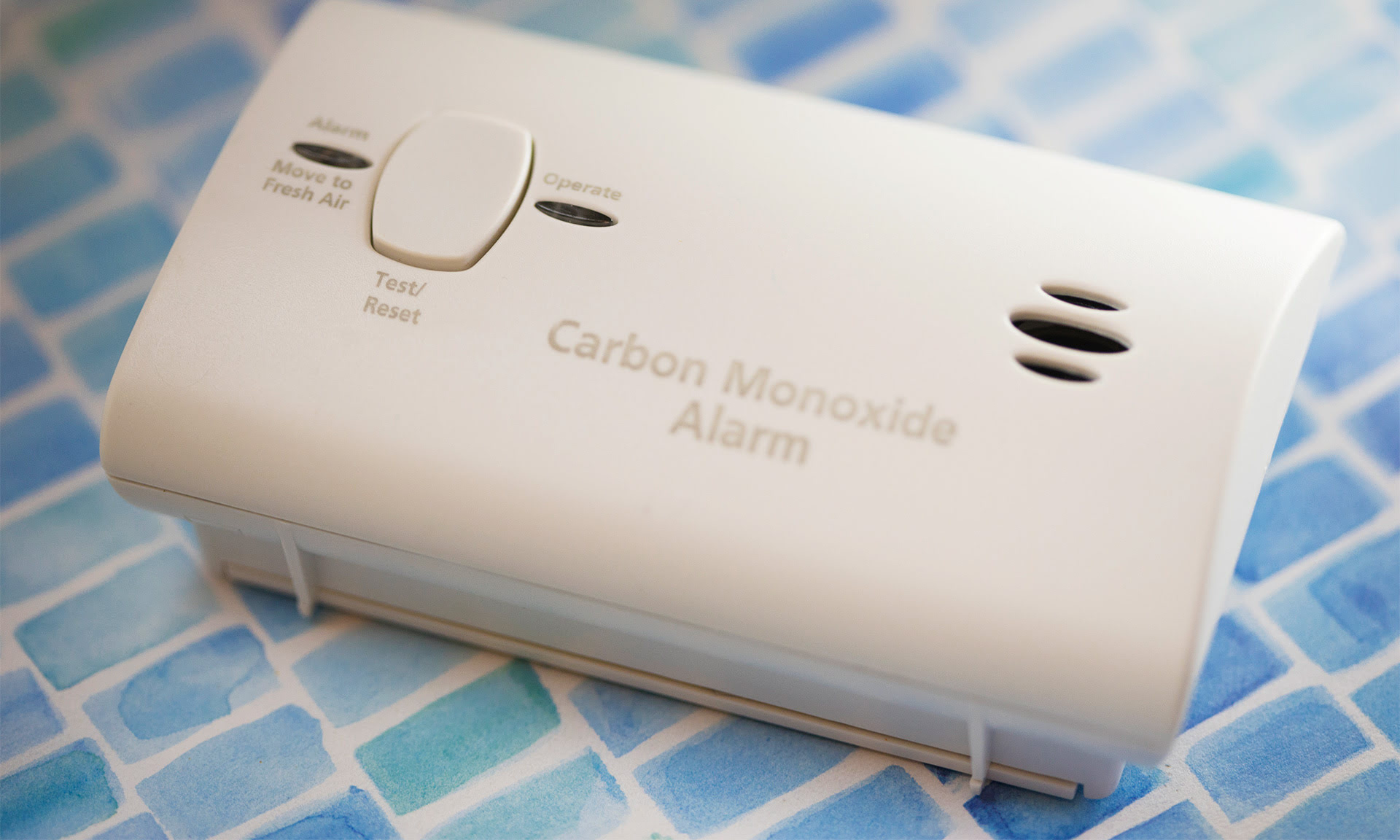
Why? Because the internal sensor, the part that sniffs out the invisible killer gas, can degrade over time. It's like a tiny, super-sensitive nose that eventually gets a bit sniffly and stops working properly.
Flip your detector over or look on the side/back. You should find a manufacture date or an "install by" or "replace by" date. It's usually a sticker or stamped right on the plastic. If that date has passed, or if you can't even find a date (maybe it's been painted over? Mystery!), it's time for a replacement. Consider it a well-deserved retirement for your little safety hero.
Location, Location, Location!
While not strictly about testing if it works, knowing where it should be makes a huge difference in how well it works. CO is a gas that mixes with air, so it doesn't just float up or sink down like some other gases. It hangs out everywhere.
So, where's the sweet spot? Ideally, you want one on every level of your home, especially near sleeping areas. And definitely not crammed in a corner behind a curtain where it can't "breathe" properly. Or right next to a stove, where it might get triggered by harmless cooking fumes (that's a whole other kind of annoying false alarm!).

Think of it as giving your bodyguard a clear line of sight to do their job effectively. Give it some space!
The "Real" Test (Please Don't Do This!)
Okay, here's a fun fact: you absolutely, positively do NOT want to test your CO detector with actual carbon monoxide. That's like testing your parachute by jumping out of a plane without it first. Not recommended!
The whole point is to avoid CO exposure, not invite it for a party. So, stick to the buttons, the batteries, and the dates. Leave the actual gas detection to the detector itself when it's really needed.

Why Is This Even Fun to Talk About?
Honestly? Because it empowers you! You're taking control of your home's safety, not in a scary, doomsday way, but in a smart, proactive, "I got this" kind of way. It’s about being aware, being curious, and knowing that a few simple checks can keep everyone a little safer.
Plus, who doesn’t love the satisfying feeling of pressing a button and hearing a loud, reassuring shriek? It’s oddly therapeutic, isn't it? Like a small, noisy victory against the invisible.
So, What Are You Waiting For?
Go on! Give your CO detector some love. Press that test button. Check that battery. Find that mysterious expiration date. It's a quick, easy way to be a home safety superstar without breaking a sweat (unless you jump really high when the alarm goes off, which is totally understandable).
Your tiny, silent bodyguard will thank you. And you'll have one less thing to worry about, letting you get back to more important things, like what to binge-watch next or whether pineapple really belongs on pizza. (It does, by the way. Just saying.)