How To Know If You Have Carbon Monoxide In Home

Ever feel a little…off? Like you're stuck in a perpetual Monday morning, even on Saturday? Maybe you've got a slight headache, a touch of nausea, or just feel overwhelmingly tired. You chalk it up to stress, a bad night's sleep, or that questionable gas station sushi. But what if there's a sneakier culprit lurking in your home, one you can't see, smell, or taste? We're talking about carbon monoxide, the silent, invisible party crasher no one invited.
Spotting this uninvited guest can feel like trying to catch a ghost doing the Macarena – tricky! But don't worry, we're here to turn you into a CO-detecting ninja. Think of it as a fun, slightly morbid, scavenger hunt for your health.
Listen to Your Body (It's Usually Right!)
Your body is a brilliant, albeit sometimes dramatic, warning system. It'll send out signals if something's amiss. The symptoms of CO poisoning are often flu-like. We’re talking headaches, dizziness, nausea, vomiting, and fatigue. Sounds like a rough weekend, right? But if everyone in your household is experiencing these symptoms, especially around the same time, alarm bells should be ringing louder than a teenager discovering TikTok.
Must Read
Think about it: Does your dog suddenly seem extra sleepy? Are the cats acting weirdly aloof (more than usual, I mean)? Animals are often more sensitive to environmental changes than we are. They might be your first furry alert system. Give them extra pets and thank them for their (possibly unwitting) service.
Check Your Appliances – Are They Acting Up?
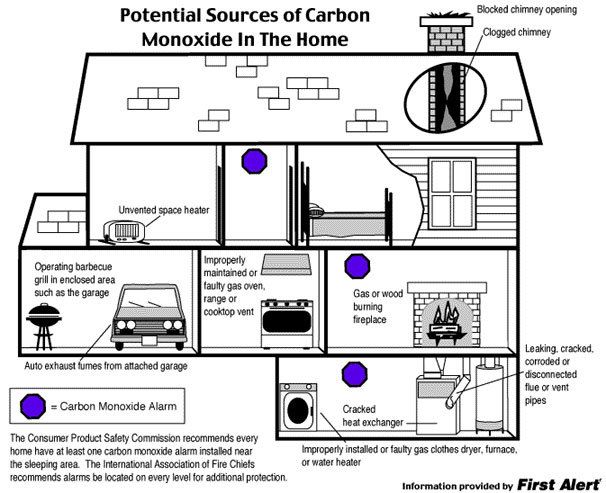
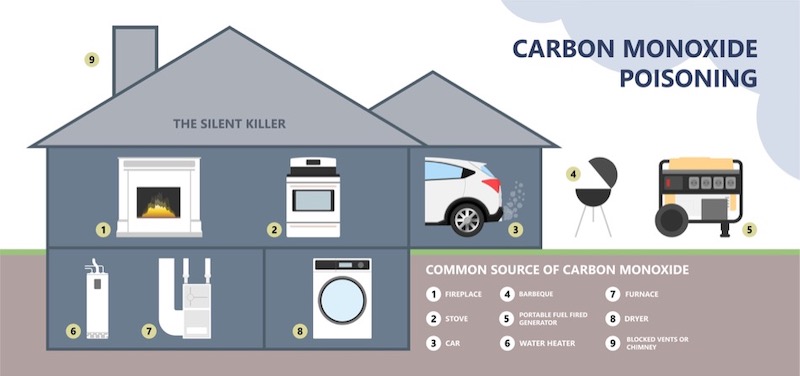
Carbon monoxide is produced by burning fuel. Furnaces, stoves, water heaters, fireplaces – they're all potential CO factories. If you notice anything unusual with these appliances, pay attention. A yellow or orange flame instead of a blue one in your gas appliances? Soot or excessive rusting on the vent pipes? These are red flags waving frantically. Think of it as your appliances staging a tiny, mechanical intervention, begging you to notice them. Don’t ignore their pleas!

Make sure your appliances are properly ventilated. Chimneys and vents need to be clear of obstructions like bird nests or debris. It's like making sure your house can breathe properly. A stuffy house is an unhappy house (and potentially a CO-filled one).
Invest in a CO Detector – Your New Best Friend
Okay, so maybe “best friend” is a bit strong. But a carbon monoxide detector is definitely a valuable ally in the fight against silent, deadly gases. Think of it as a tiny, electronic watchdog, constantly sniffing the air for danger. It's like having a superpower, only you don't have to wear a ridiculous costume (unless you really want to).

Install CO detectors on every level of your home, especially near sleeping areas. Check the batteries regularly. It's a small price to pay for peace of mind. Treat it like changing the clocks for daylight savings time – a biannual ritual that could save your life.
Different detectors have different lifespans. Check the manufacturer's instructions for replacement recommendations. Don’t be a cheapskate when it comes to your safety. Replacing a detector is way cheaper than a hospital bill (or worse!).
When in Doubt, Get Out!
If your CO detector goes off, don't try to be a hero. Evacuate the building immediately. Get everyone outside to fresh air. Call the fire department or 911 from a safe location. Let the professionals handle the situation. They have the tools and expertise to identify the source of the CO and make sure your home is safe. Don’t try to play detective; leave it to the pros. They have cool gadgets and fancy trucks.
Remember, carbon monoxide poisoning is a serious issue. But with a little knowledge and some basic precautions, you can protect yourself and your family. Stay vigilant, stay informed, and stay safe. Now go forth and conquer that invisible menace! You've got this!
And hey, while you're at it, maybe treat yourself to that sushi. Just maybe not the gas station kind.