
How To Know If There's A Carbon Monoxide Leak
Let's talk about something that might not sound fun, but trust me, knowing about it is incredibly empowering – carbon monoxide (CO). Okay, maybe "fun" isn't the right word, but how about life-saving? That's more like it. Think of this as a quick guide to becoming a CO safety superhero in your own home. And hey, who doesn't want to be a superhero?
Why should you care? Well, for beginners, understanding CO is crucial for basic home safety. You'll learn to recognize the signs and take action, ensuring your own well-being. For families, especially those with young children or elderly members, knowing about CO is paramount. You’re protecting your loved ones from a silent and deadly threat. And for all those DIY enthusiasts and hobbyists who love tinkering with gas appliances or running generators, this knowledge is non-negotiable. Working safely is the only way to work!
So, how do you know if there's a CO leak? The tricky thing about CO is that it's odorless, colorless, and tasteless. It's the ultimate sneaky villain. That's why a CO detector is your best defense. Think of it as your personal CO-detecting sidekick. These detectors constantly monitor the air for dangerous levels of CO and sound an alarm when something's amiss. There are a few types. Some are battery-powered, which are great for portability and placement anywhere in your home. Others are plug-in models with battery backup, offering a reliable power source with added security in case of a power outage. You can even get smart detectors that connect to your phone, sending you alerts even when you're away from home.
Must Read
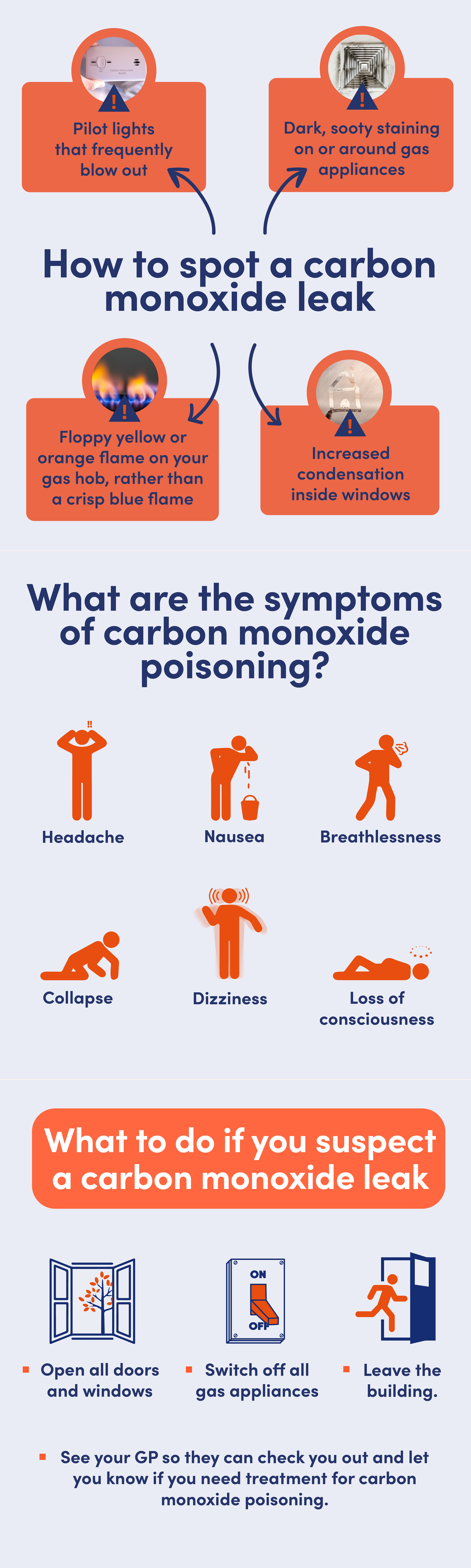
Beyond detectors, be aware of the symptoms of CO poisoning. These can mimic the flu, including headaches, dizziness, nausea, fatigue, and confusion. A key difference is that CO poisoning doesn't usually cause a fever. If multiple people in your household experience these symptoms simultaneously, especially if they subside when you leave the house, it's a major red flag. Another clue? Pay attention to your appliances. Are your gas appliances properly ventilated? Do you notice any soot or unusual smells around them? These could indicate incomplete combustion, a common source of CO.
Here are a few simple, practical tips to get started:
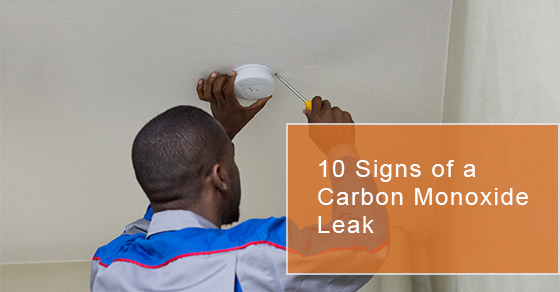
- Install CO detectors on every level of your home, especially near sleeping areas.
- Test your detectors monthly to ensure they're working correctly.
- Replace batteries at least once a year, or as recommended by the manufacturer.
- Have your gas appliances inspected annually by a qualified professional.
- Never use generators, grills, or charcoal-burning devices indoors.
Taking these steps isn't just about safety; it's about peace of mind. Knowing you've taken precautions to protect yourself and your loved ones allows you to relax and enjoy your home without unnecessary worry. Think of it as leveling up your home security – you're not just protecting your stuff, you're protecting your life. And that's a pretty awesome feeling.


