How To Know If Its The Alternator Or Battery
Let's face it, few things are as frustrating as turning the key in your ignition and hearing... nothing. Or maybe a pathetic, drawn-out whirr. Our cars are our trusty steeds, getting us to work, the grocery store, soccer practice, and everything in between. When they betray us, it's not just inconvenient, it's a real disruption to our lives. Understanding basic car troubleshooting, like knowing whether your problem is a dead battery or a failing alternator, can save you time, money, and a whole lot of stress.
Why bother learning this stuff? Well, picture this: you're stranded in a parking lot after a late meeting. Knowing the difference between these two culprits allows you to make an informed decision. Do you call for a jump start (battery issue) or a tow truck (potential alternator problem)? A jump start might get you home, but if the alternator is the real issue, you'll be stranded again soon. This knowledge empowers you to communicate effectively with your mechanic, preventing unnecessary repairs and getting you back on the road faster.
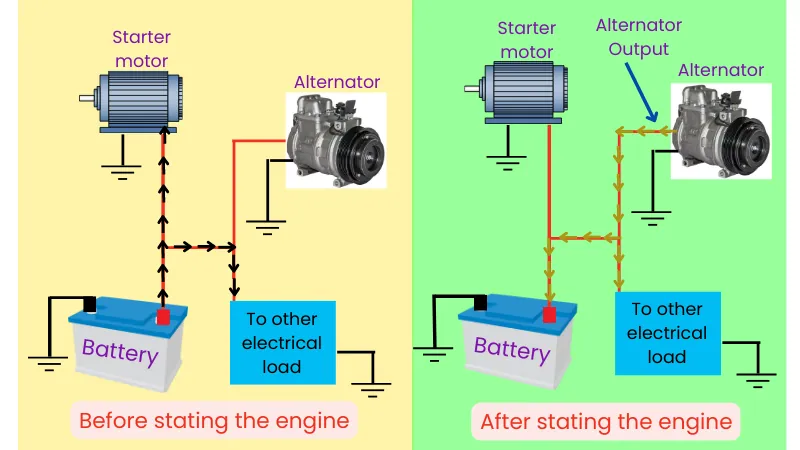
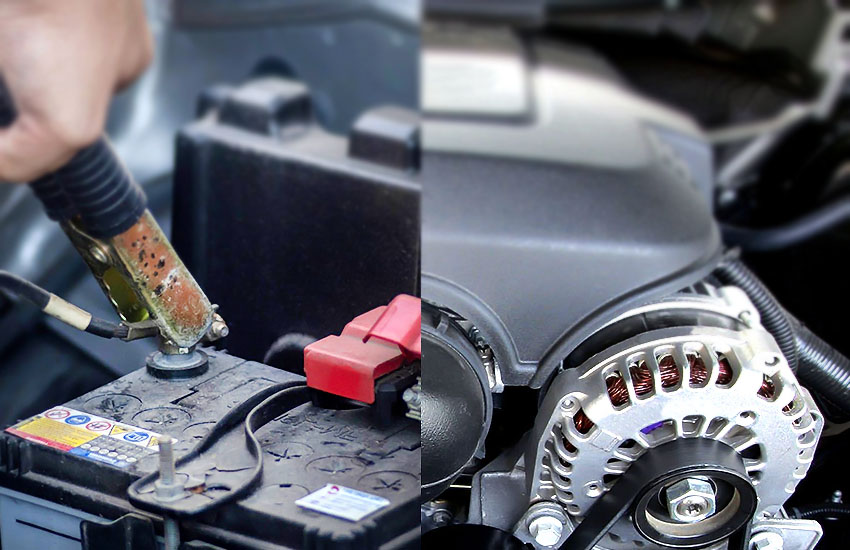
We encounter batteries and alternators every day, even if we don't realize it. Your car's battery provides the initial jolt of electricity to start the engine. The alternator, on the other hand, is the workhorse, generating power to keep the engine running while you drive and recharging the battery. Common examples of battery failure include leaving your lights on overnight or consistently making very short trips, which don't allow the battery to fully recharge. Alternators can fail due to wear and tear, especially as the car ages. Signs of alternator issues can be dimming headlights, a whining noise from under the hood, or electrical problems like a malfunctioning radio.
Must Read
So, how do you tell the difference? Here are a few practical tips:
- The Jump Start Test: If your car starts with a jump, but dies soon after disconnecting the jumper cables, the alternator is likely the problem. The battery might be dead, but the alternator isn't generating enough power to keep the engine running.
- The Voltage Test: Use a multimeter to check the voltage of your battery while the car is off. It should read around 12.6 volts. Start the engine and check again. If the alternator is working correctly, the voltage should increase to around 13.5-14.5 volts. A reading below this indicates a potential alternator issue. Always be careful when working with electricity and car batteries!
- Listen Carefully: A failing alternator often makes a whining or grinding noise. Pay attention to any unusual sounds coming from your engine compartment.
- Check Your Lights: While driving at night, observe your headlights. If they dim and brighten erratically, especially when you use other electrical components like the wipers or radio, it could signal a failing alternator.
While these tips can help you diagnose the problem, it's always best to consult with a qualified mechanic for a proper diagnosis and repair. Understanding the basics, however, will give you the confidence to discuss the issue intelligently and ensure you're getting the right service. A little knowledge can go a long way in keeping your trusty steed running smoothly and avoiding those dreaded roadside breakdowns.