
How To Know If Gas Is Leaking
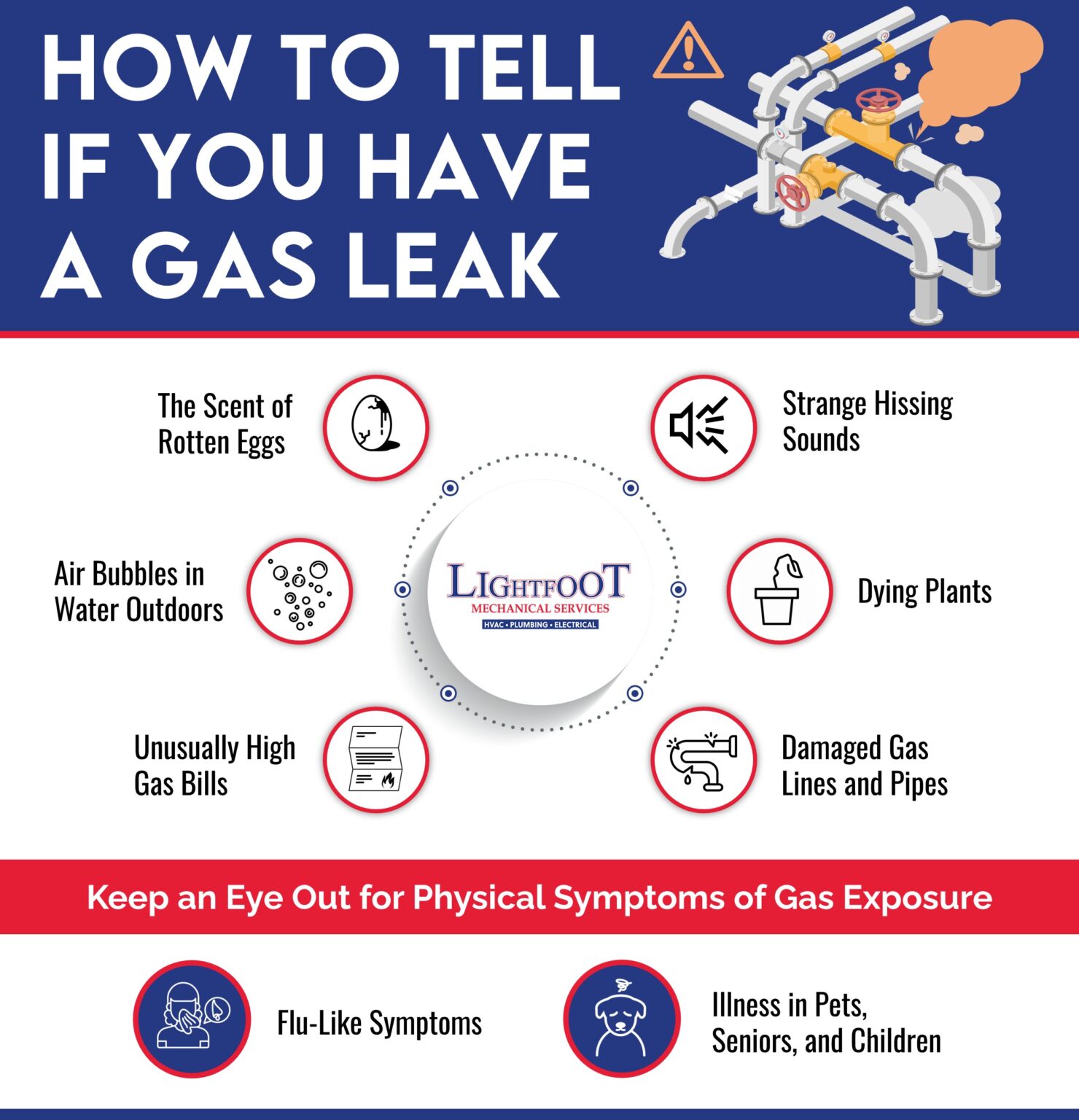
Ever walked into your kitchen and thought, "Is that… garlic? Or something else entirely?" Or maybe you've been sitting peacefully, and suddenly, a faint hissing sound makes you perk up like a meerkat on alert. Life, my friend, is full of delightful mysteries and occasional head-scratchers. And while some mysteries are best left to detective novels, knowing if gas is leaking in your home is one superpower you definitely want in your utility belt!
Now, I know what you’re thinking: “Gas leak? That sounds serious! How can that be fun or inspiring?” Ah, but that’s where you’re wrong! Learning about potential dangers isn't about fear; it's about empowerment. It’s about arming yourself with knowledge, turning everyday awareness into a skill that brings peace of mind and, dare I say, a little sprinkle of everyday heroism into your life. Imagine being the calm, collected person who knows exactly what to do. Pretty cool, right?
So, let's dive into the fascinating world of knowing when your natural gas might be staging a tiny, unwelcome escape. Trust me, it’s easier than figuring out your smart TV's remote!
Must Read
Your Nose Knows: The Rotten Egg Detective!
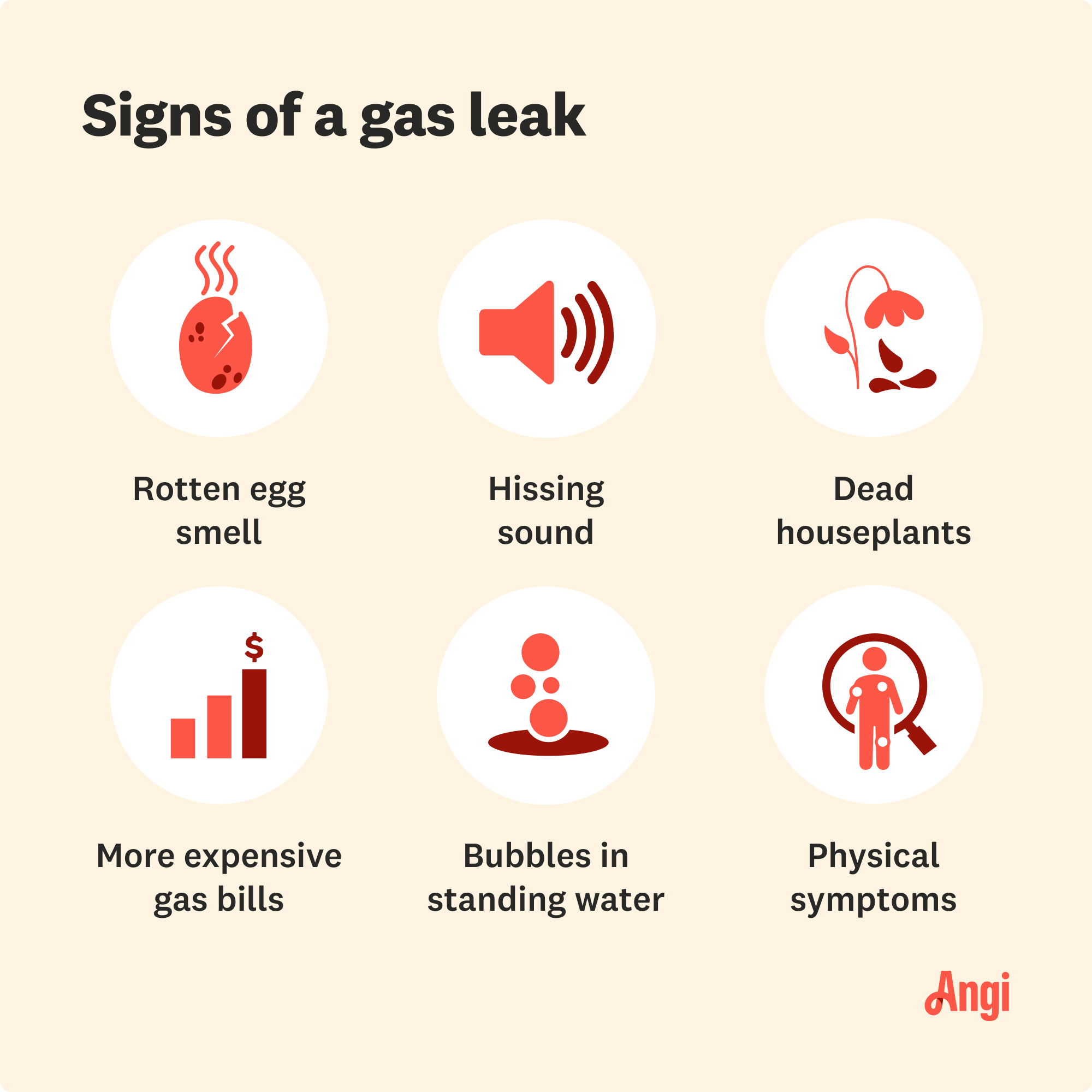
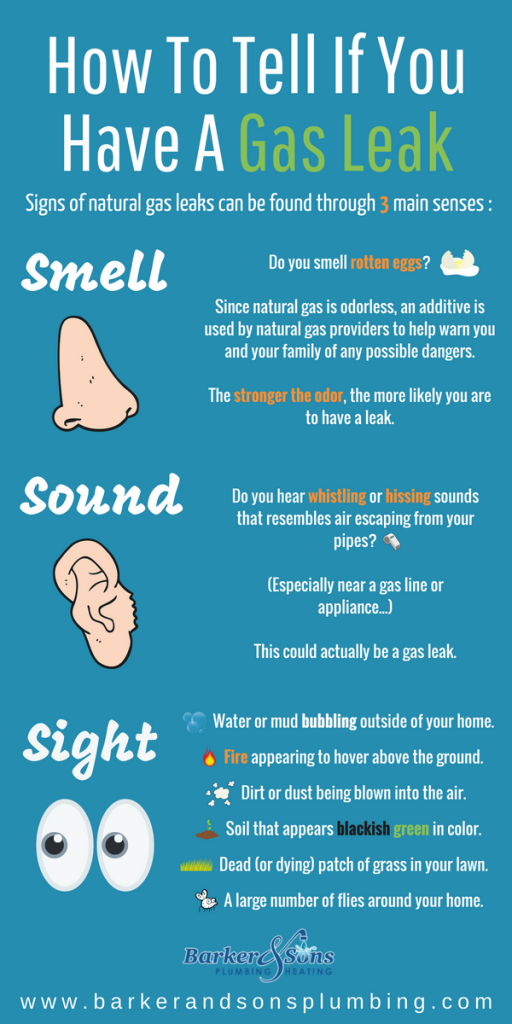
This is probably the most famous clue, and for a very good reason! Natural gas, in its pure state, is actually odorless. Sneaky, huh? But gas companies are super smart. They add a harmless chemical called mercaptan to it, which gives it that distinctive, unmistakable aroma. Think of it as nature's very own alarm system, disguised as... well, a really, really bad smell.
What does it smell like? Picture this: a plate of rotten eggs. Or sulfur. Or maybe even something vaguely gassy from your digestive system, but intensified! It’s not subtle. It’s designed to grab your attention and yell, "Hey! Something's up!" So, if you catch a whiff of this unpleasant aroma, don't dismiss it. Your nose is your first, best friend in this scenario.
Listen Up! The Hissing Whisper of Trouble
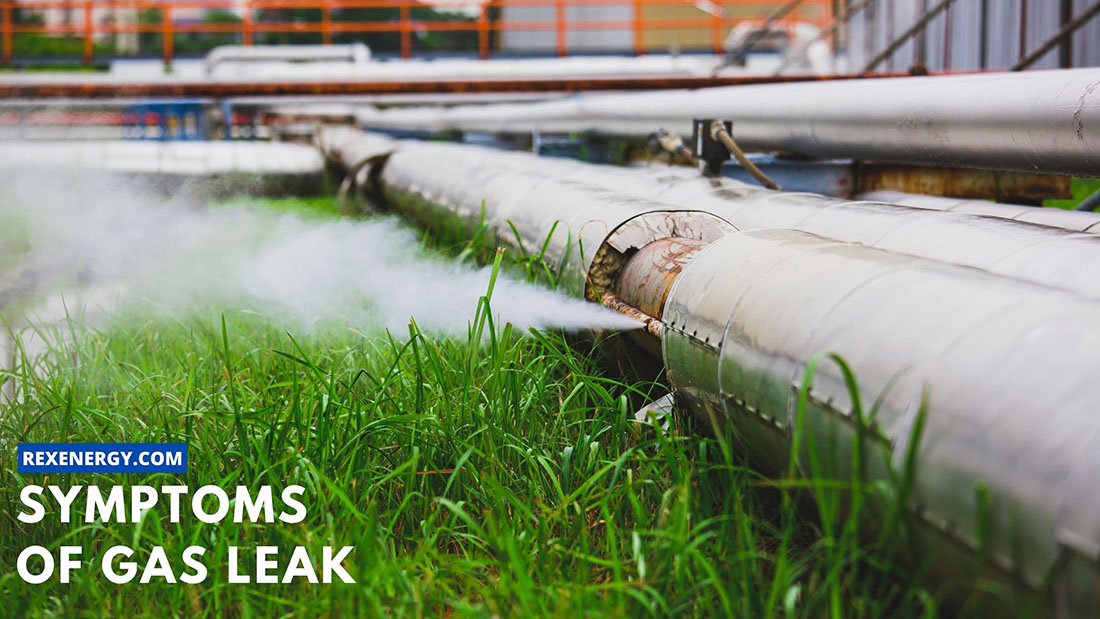
Sometimes, gas doesn't just smell; it also makes itself heard. If you're near a gas appliance (like your stove, oven, water heater, or furnace) or a gas line, and you hear an unusual hissing, whistling, or blowing sound, that's another big red flag flapping in the wind. Think of it like a tiny, invisible pressure cooker letting off steam, but instead of steam, it's gas.
It might be a subtle whisper, or it could be a more noticeable rush of sound. Either way, if your ears pick up something that sounds out of place, especially near areas where gas is used, it’s worth investigating (safely, of course!). Being attuned to the subtle soundtrack of your home can make all the difference.

Eyes Wide Open: Visual Clues Around You
Your senses are truly amazing! Beyond smell and sound, your eyes can also spot potential gas leaks, especially if they're outside or near exposed pipes.
- Bubbles in Water: If there's a leak near an outdoor pipe that happens to be in a puddle or wet area, you might see unexplained bubbles rising from the water. It’s like a tiny, impromptu hot tub, but definitely not for relaxing!
- Dying Plants: Has a patch of vibrant greenery suddenly withered and died for no apparent reason, especially if it’s near your outdoor gas line? Natural gas can deprive plants of oxygen, so unexplained dead or discolored vegetation can be a silent indicator. Nature's way of saying, "Help!"
- A "Shimmer" in the Air: In very rare cases, a large leak might even cause a visible "shimmer" or cloud in the air, like heat rising from a road, but near the ground.
Who knew being observant could be so exciting? It's like having X-ray vision, but for gas!
When Your Body Talks: Pay Attention to Yourself
While the initial signs usually involve your external senses, prolonged exposure to high levels of natural gas can also affect you physically. If you or others in the household start experiencing dizziness, nausea, fatigue, headaches, or difficulty breathing, and these symptoms appear or worsen when you're at home, but get better when you leave, it's a serious red flag. These are also common symptoms of carbon monoxide poisoning (which is odorless and requires a separate detector!), but they can also be linked to significant natural gas exposure reducing oxygen levels. Always listen to your body – it’s a brilliant warning system!
The Action Plan: Your Moment to Shine!
Alright, so you’ve spotted a sign. What’s next? This is where you become the calm, capable hero of your own story! The most important thing is to act quickly and safely.
- DO NOT PANIC! Deep breath. You’ve got this.
- Leave Immediately: Get everyone (including pets!) out of the house. Don't linger to grab things. Fresh air is your friend.
- Call from a Safe Distance: Once you're a good distance away from the building, call your gas company's emergency line or 911. Do NOT call from inside your home. Even picking up a phone could create a tiny spark.
- Avoid Anything That Could Spark: This means no light switches, no appliances, no cell phones inside, no garage door openers, no starting cars in the driveway. Just get out!
- Do Not Try to Fix It: This is a job for the pros.
Why This Makes Life More Fun (Seriously!)
Knowing how to spot a gas leak isn’t just about safety; it’s about empowerment. It transforms a potentially scary situation into one where you feel prepared and capable. It’s about building confidence, not just in an emergency, but in your ability to observe, interpret, and act in everyday life. Think of it! You’re not just living in your home; you’re its guardian, its protector, armed with knowledge that gives you incredible peace of mind.
Instead of living with a vague anxiety about "what ifs," you can live with the quiet confidence of knowing "I know what to do if." Isn't that a far more enjoyable way to live? It makes life richer, less anxious, and frankly, a whole lot more fun when you feel like a capable participant rather than a helpless bystander.
So, go forth! Be observant. Trust your senses. And remember that learning to recognize these crucial signs isn't just about avoiding trouble; it’s about embracing a more aware, confident, and ultimately, a more inspired way of navigating the world around you. You’ve just unlocked a new level of everyday superhero! Keep learning, keep growing, and keep that brilliant mind of yours ready for anything!