
How To Know If Fan Is Spinning The Right Way
Ever stared at a spinning fan, lost in thought, and suddenly wondered, "Wait a minute... is that thing even going the right direction?" You're not alone! We've all been there, contemplating the deep mysteries of rotational physics (or, you know, just trying to get some relief from the heat). Fear not, dear friend, for figuring this out is easier than microwaving popcorn – and way less likely to result in a burnt offering to the kitchen gods.
Ceiling Fans: The Big Boys of Airflow
Let's tackle the big kahuna first: the ceiling fan. These guys are the MVPs of room temperature regulation, but only if they're spinning the right way! Think of them as tiny, whirring helicopters designed to either push air down or suck it up – depending on the season, of course.
The "Summer Breeze" Test
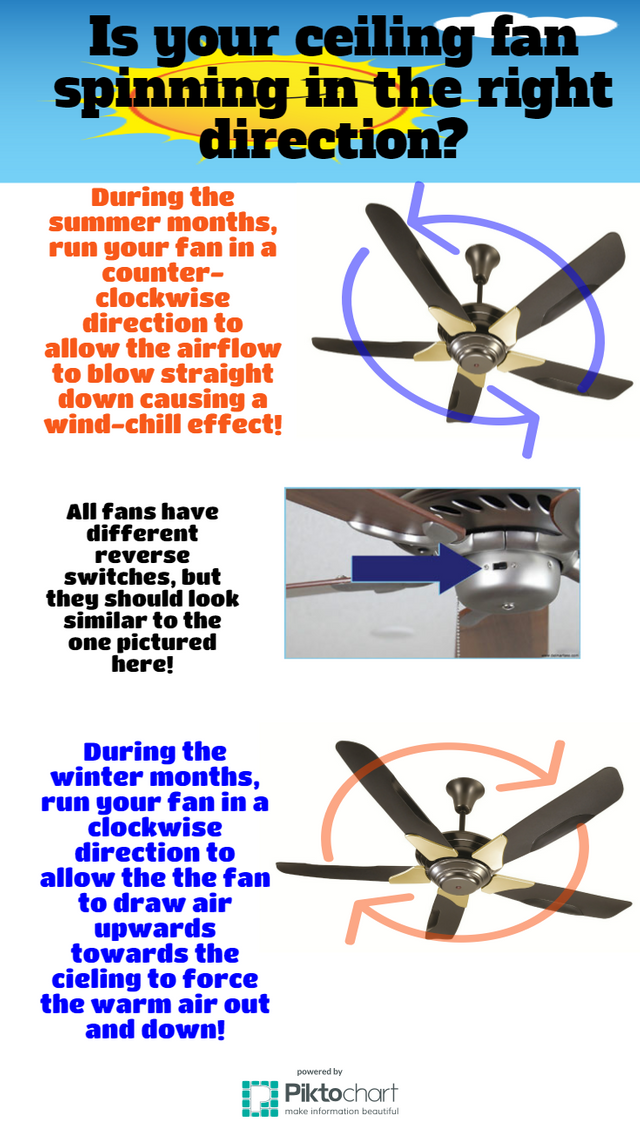
Ah, summer! That glorious time of year when ice cream drips down your hand faster than you can lick it, and the only thing standing between you and a heat-induced meltdown is your trusty ceiling fan. During these months, your fan needs to be in "summer mode."
Must Read
What does that mean? It means it needs to be spinning counter-clockwise (when viewed from below). Imagine a clock on the ceiling, going backward.
How do you tell? Stand directly under the fan. If you feel a refreshing downward breeze, congratulations! Your fan is doing its job. You're essentially standing in the fan's personal wind tunnel of awesomeness!
No breeze? Just a slight feeling of... stagnation? Uh oh. Looks like your fan is playing hooky. It's probably spinning clockwise, which is about as helpful as a chocolate teapot in July.
The "Winter Warmth" Test
Brrr! Winter's here, and suddenly that refreshing summer breeze feels like an arctic blast. Time to switch gears and put your fan into "winter mode."
![Ceiling Fan Directions for Summer vs Winter [Infographic]](https://airflowacademy.com/wp-content/uploads/2021/06/Ceiling-fan-direction-768x384.jpg)
This means the fan needs to spin clockwise (again, when viewed from below). Think of it like a gentle massage for the air in your room.
This time, the fan is gently pulling air upwards, which pushes the warm air (that naturally rises to the ceiling) back down into the living space. No need to stand directly under the fan this time.
Instead, walk around the room. Do you feel a more even temperature? Is the air less stuffy? If so, your fan is working its winter magic. If not, you might as well be trying to heat your house with a hairdryer.
The Switcheroo: Finding the Direction Switch
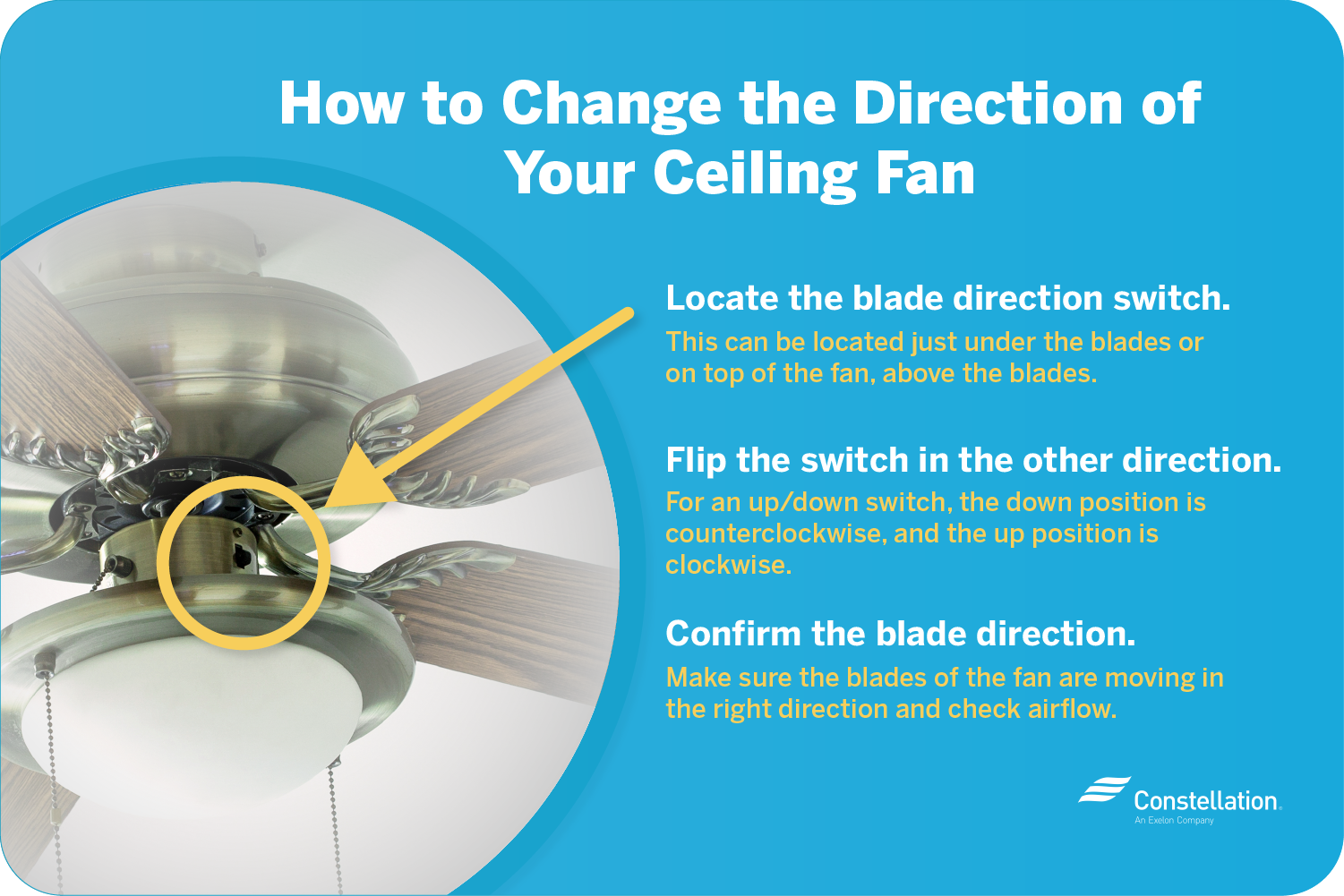
Okay, so you've determined your fan is going rogue. Don't panic! Most ceiling fans have a little switch on the motor housing that controls the direction. It’s usually a small slider switch that can be moved up or down.

Turn the fan off (safety first, always!), grab a step ladder (if needed), and locate that switch. Flip it to the opposite position. Now turn the fan back on and repeat the "Summer Breeze" or "Winter Warmth" test to confirm you've fixed the issue. You're a troubleshooting superstar!
Small Fans: Desk Fans, Box Fans, and Their Spinning Secrets
Now let’s move on to the smaller fans – the desk jockeys and boxy powerhouses of personal cooling. These guys usually have a more straightforward mission: blow air at you. But even they can sometimes leave you scratching your head (and sweating profusely).
The "Paper Test" for Desk Fans
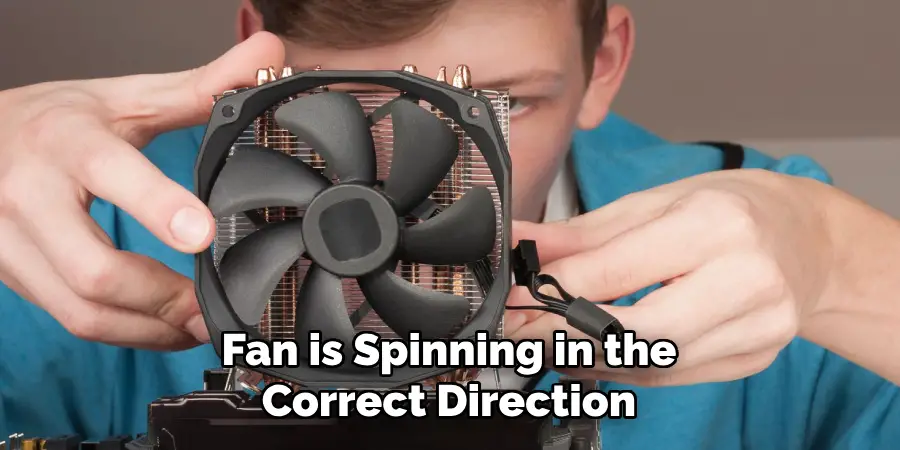
Desk fans are all about that direct airflow. To check if they're doing their job, grab a piece of paper. A regular sheet of printer paper works perfectly.
Hold the paper in front of the fan. If the paper blows away from the fan, you're golden! The fan is successfully pushing air. You can almost hear it saying, "Take that, stuffy air!"
If the paper gets sucked toward the fan, that's a problem. It likely means the fan is installed backward (which is rare, but not impossible). In this case, you'll need to consult the fan's manual or, if you're feeling brave, carefully disassemble the fan and re-install the blades in the correct orientation. Remember safety first!
Box Fans: The Guardians of the Window
Box fans are the unsung heroes of airflow, often found perched in windows, bravely battling the heat and humidity. They can either pull air in or push it out, depending on your needs.
The easiest way to tell which way they're blowing is to simply feel the airflow. Place your hand in front of the fan. Is it pushing air towards you (exhausting air out of the room) or pulling air away from you (bringing fresh air in)?
You can also use the paper test for this one. If the paper blows away from the fan, it's exhausting air. If the paper is pulled towards the fan, it's bringing air in.
Remember to consider which direction you want the air to flow. During cooler evenings, you might want to pull in the fresh, cooler air. During the hottest part of the day, you might want to exhaust the hot air from inside.
A Note on Grills and Guards
Most fans have grills or guards to prevent accidental finger-meets-spinning-blade incidents (a very good thing!). These guards can sometimes make it a little trickier to see the direction of the blades. Don't worry, though! The airflow tests described above still work perfectly.
You can also try shining a flashlight through the grill. Observe the direction the blades are curving. The curved portion of the blade will always be the leading edge of the blade.
Troubleshooting Tips and Tricks
Sometimes, even with the fan spinning in the "correct" direction, you might not be feeling the desired airflow. Don't despair! Here are a few troubleshooting tips:
- Check for Obstructions: Make sure there's nothing blocking the fan's airflow. A strategically placed pile of laundry can negate even the most powerful fan's efforts.
- Clean the Blades: Dust and grime can weigh down the blades and reduce their efficiency. Give them a good cleaning with a damp cloth. You might be surprised at how much of a difference it makes!
- Ensure Proper Installation: If you're still having trouble, double-check that the fan is installed correctly. Loose screws or wobbly blades can affect performance. Consult the manufacturer's instructions or call in a professional if needed.
- Consider Fan Size: A tiny desk fan isn't going to cool an entire living room. Make sure you have the right size fan for the space you're trying to cool.
- Check for other air flow blockages: Make sure furniture is not blocking air flow for your fans.
Embrace the Breeze!
So there you have it! You're now equipped with the knowledge to conquer the spinning mysteries of your fans. Go forth and optimize your airflow, my friend! May your summers be cool, your winters be cozy, and your fans always spin in the right direction. And remember, when in doubt, a little experimentation (and a well-placed piece of paper) can go a long way. Stay breezy!
And if all else fails, just crank up the AC and blame the fan on gremlins.