How To Keep Your Pipes From Freezing Without Heat
Let's face it, nobody wants to think about frozen pipes. It's right up there with root canals and tax audits on the list of things we'd rather avoid. But hey, what if I told you that prepping your pipes for a freeze doesn't have to be a stressful, wallet-busting ordeal? In fact, you can often do it without even turning up the heat! Think of it as a fun little DIY project that could save you from a plumbing disaster (and a hefty bill) down the road. We're talking about pipe-saving superpowers, people!
The purpose of this little exercise is simple: to prevent your pipes from freezing. When water freezes, it expands. This expansion can put tremendous pressure on your pipes, causing them to crack or burst. A burst pipe isn't just a minor inconvenience; it can lead to serious water damage, costing you thousands in repairs and potentially disrupting your life for weeks. So, the benefits are clear: prevent damage, save money, and keep your sanity intact.
So, how do you become a pipe-protecting pro without cranking up the thermostat? Here are a few simple and effective strategies:
Must Read
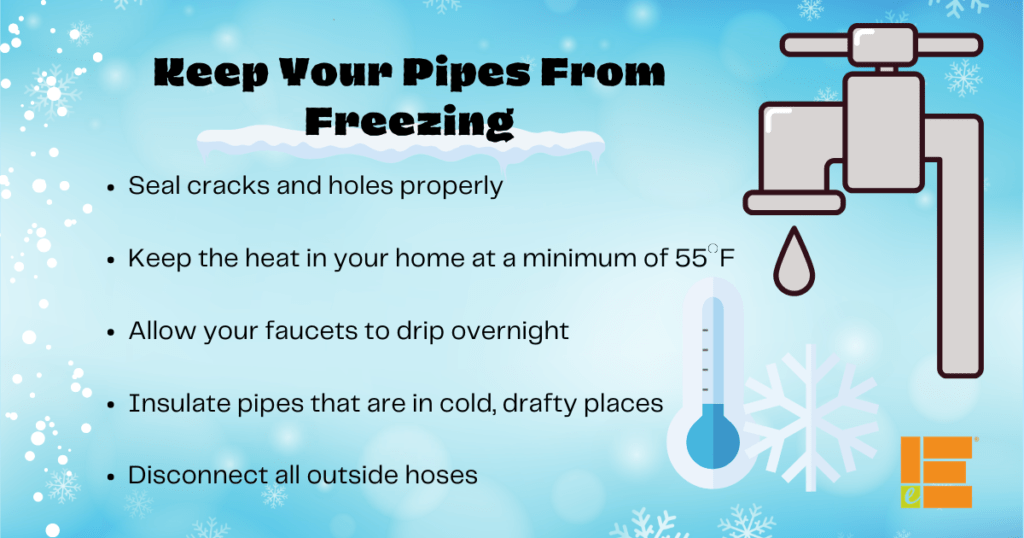
1. Insulate, Insulate, Insulate! This is your first line of defense. Focus on pipes located in unheated areas like basements, crawl spaces, attics, and exterior walls. You can use inexpensive foam pipe insulation sleeves, readily available at any hardware store. They're easy to install – just slip them over the pipes and secure with tape. Think of it as giving your pipes a cozy winter coat! For trickier spots, consider using heat tape or heat cables, but be sure to follow the manufacturer's instructions carefully and only use UL-listed products.
2. Seal Those Drafts! Cold air is the enemy. Check for cracks and openings around pipes where they enter your home, or where they pass through walls. Seal these gaps with caulk or spray foam insulation. Even a small draft can significantly lower the temperature around your pipes, making them more vulnerable to freezing.
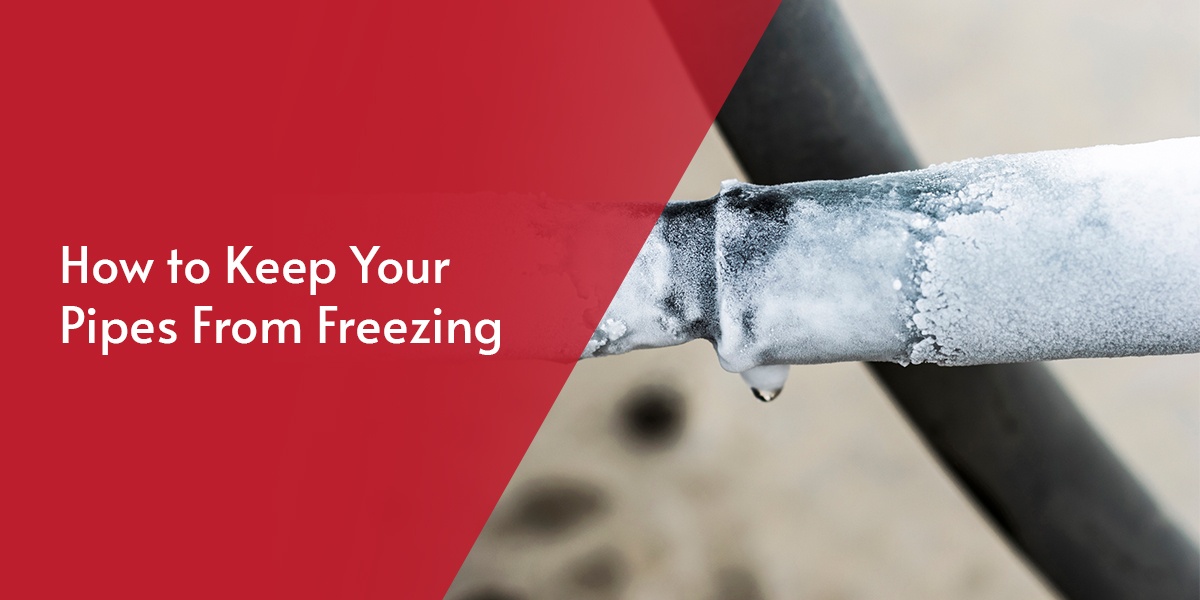
3. Let the Water Drip (Just a Little)! This might seem counterintuitive, but a slow, steady drip from a faucet connected to exposed pipes can prevent freezing. Moving water is less likely to freeze than stagnant water. It doesn't need to be a torrent; a trickle will do. This is especially important during extended periods of sub-freezing temperatures.
4. Open Cabinet Doors! During a cold snap, open cabinet doors under sinks, especially those on exterior walls. This allows warm air to circulate around the pipes and help prevent them from freezing.

5. Know Your Shut-Off Valve! In the unfortunate event that a pipe does freeze, knowing where your main water shut-off valve is located can be a lifesaver. Familiarize yourself with its location and how to operate it so you can quickly shut off the water supply and minimize damage.
Protecting your pipes from freezing without relying solely on heat is a smart, practical, and surprisingly easy way to safeguard your home. It's all about being proactive and taking a few simple steps to prepare for the cold. So, go ahead, embrace your inner pipe-protecting superhero! Your wallet (and your pipes) will thank you.