How To Keep Indoor Air Clean
Ever walked into a room and just felt... refreshed? Or perhaps, the opposite – a bit stuffy, dusty, or even a little stale? We spend an incredible amount of our lives indoors, often without giving a second thought to the very air we’re breathing. But what if I told you there’s an entire invisible world right inside your home, and understanding it can be surprisingly fun and rewarding? Learning about how to keep indoor air clean isn't just for science enthusiasts; it’s a delightful journey into making our personal spaces feel better, look better, and even contribute to our overall health.
The purpose of diving into indoor air quality is simple yet profound: to create a healthier, more vibrant living environment. Imagine fewer sniffles, less sneezing, and that invigorating feeling of truly fresh air – even when the windows are closed. The benefits are numerous: improved respiratory health, particularly for those with allergies or asthma, better sleep quality, enhanced concentration, and a general boost to your mood. A cleaner home environment also means fewer unpleasant odors and even less dust settling on your furniture. It’s about transforming your living space into a sanctuary of well-being, one breath at a time.
This isn’t just abstract science; it plays out in our daily lives constantly. Think about parents striving to create the cleanest nursery for their newborn, or students in a classroom feeling more focused because the air isn't heavy and stale. In the kitchen, using an extractor fan isn't just about removing cooking smells; it’s about pulling out airborne grease and potential irritants. Even in educational settings, understanding indoor air quality can be a fantastic way to teach about environmental science, respiratory systems, and the impact of our choices on our immediate surroundings. Schools might explore the effects of different cleaning products or conduct simple experiments to visualize dust particles, turning an invisible topic into a tangible lesson.
Must Read
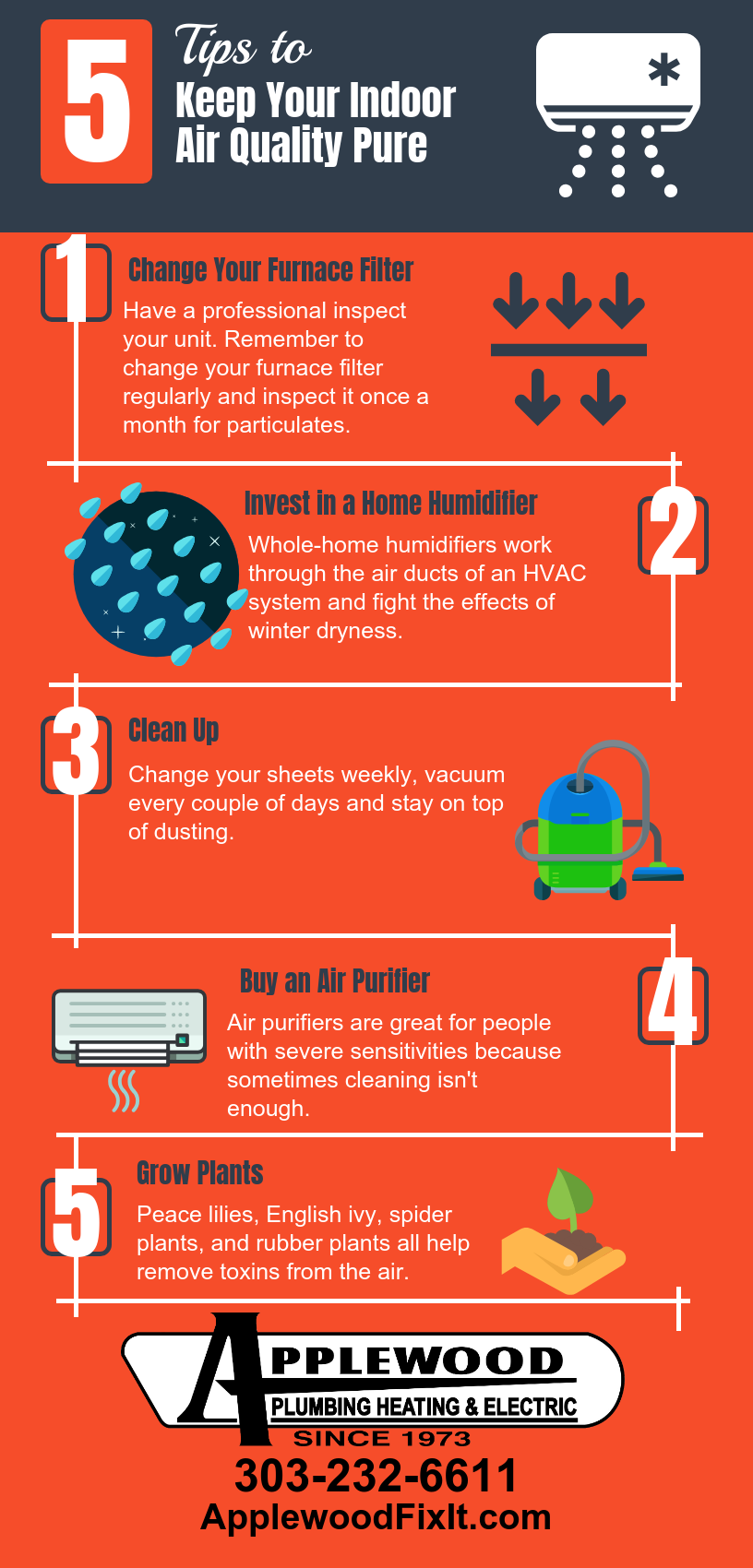
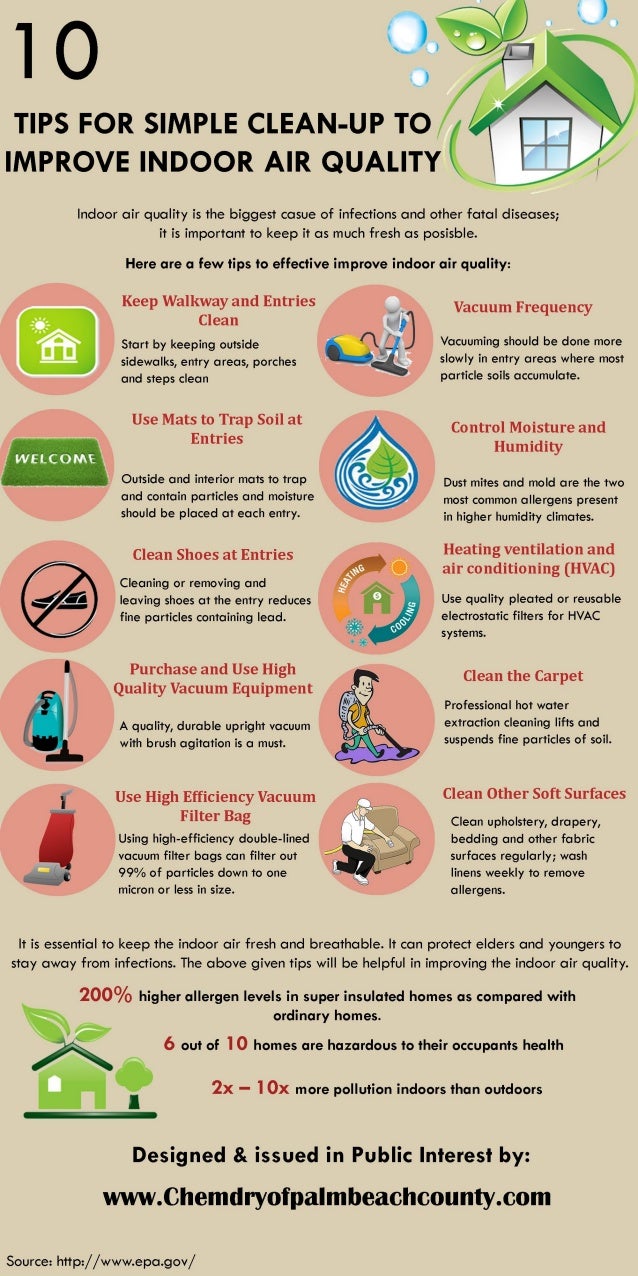
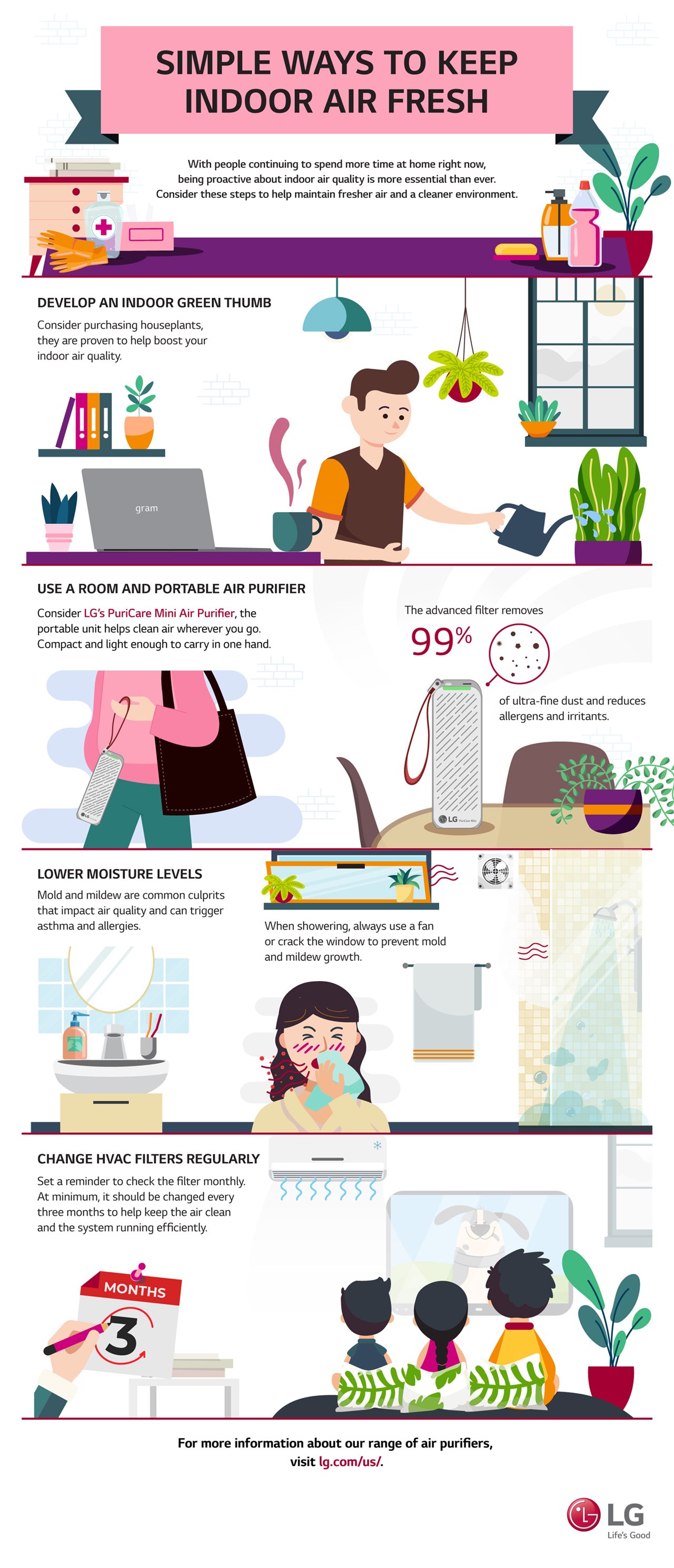
Ready to become an indoor air quality detective? It’s easier than you might think! One of the simplest and most effective tips is ventilation. Even on chilly days, cracking a window for just 5-10 minutes can work wonders, flushing out stale air and bringing in fresh oxygen. Another practical step is consistent, mindful cleaning: use a damp cloth for dusting to capture dust rather than just scattering it, and consider a vacuum cleaner with a HEPA filter. Be mindful of moisture; address leaks quickly and use extractor fans in bathrooms to prevent mold, a common indoor pollutant. For a bit of fun exploration, you could try placing a few indoor plants known for their air-purifying qualities, like a snake plant or spider plant (though they are more for aesthetic and minor contribution). If you're curious to see the invisible, a simple, affordable air quality monitor can be a fascinating tool, revealing levels of particles you never knew were there and showing you the direct impact of your efforts. Embrace these small changes, and you’ll soon find your home feeling lighter, brighter, and wonderfully fresh.