
How To Join Two Pieces Of Metal Without Welding

Okay, picture this: I'm trying to build a super-advanced, definitely-going-to-revolutionize-the-world birdhouse (don't judge, everyone needs a hobby). I've got these two sweet metal sheets, perfect for the roof. But, uh oh, no welder. Cue the dramatic music. Panic sets in. Do I admit defeat and buy a pre-fab bird condo? Absolutely not! That's when I discovered the glorious world of joining metal without setting everything on fire.
So, you're in a similar boat? Maybe your welder's on the fritz, maybe you don't even own one (gasp!), or maybe you just like doing things the non-conventional way. Whatever your reason, welcome! There are actually a bunch of surprisingly effective ways to join metal without resorting to the fiery embrace of welding. Let's dive in!
Screws and Bolts: The OG Metal Joiners
Let's start with the classics, shall we? Screws and bolts are like the peanut butter and jelly of metal joining. Reliable, easy to use, and readily available. I mean, who hasn't used a screw before? (If you haven't, where have you been?!)
Must Read
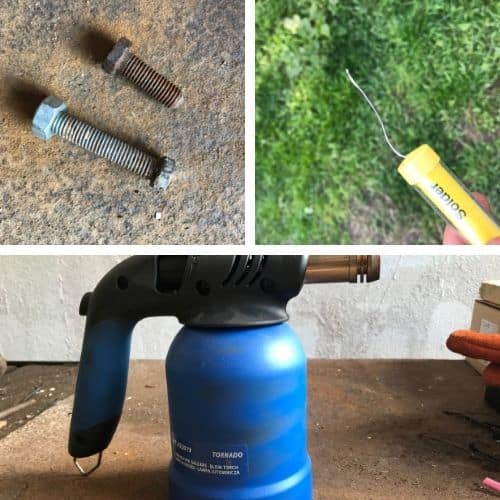
The beauty of screws and bolts is their simplicity. Drill a hole (or two!), insert the fastener, and tighten. Boom! Metal joined. Now, the key here is choosing the right type of screw or bolt for the job. Think about the thickness of your metal, the load it needs to bear, and whether it'll be exposed to the elements. Rust is the enemy, my friend!
Pro Tip: Use washers! They distribute the load and prevent the screw or bolt head from digging into the metal. Think of them as tiny metal cushions.
Rivets: The Pop-tastic Option
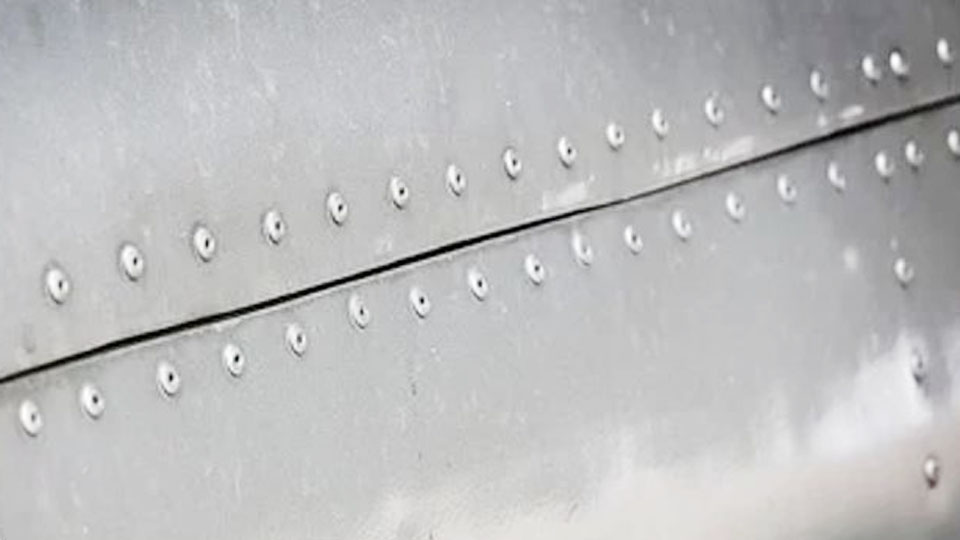
Rivets are another fantastic option, especially for projects where you want a clean, flush finish. Ever wondered how airplanes are put together? A lot of it is rivets! (Okay, maybe a little welding too, but still!).
The process is pretty straightforward. Drill a hole, insert the rivet, and then use a rivet gun (super fun to use, by the way!) to deform the rivet, creating a strong and permanent bond. Pop! And the metal is joined! Rivets are great for joining thinner sheets of metal, and they look pretty darn cool, too.
Side note: Make sure you get the right size rivet for the thickness of your material. Too long, and you'll have a wobbly mess. Too short, and it won't hold. Trial and error, my friends, trial and error!

Adhesives: The Sticky Situation (But in a Good Way!)
Okay, adhesives. I know, I know, it sounds a little…sketchy. Glue and metal? Really? But hear me out! Modern metal adhesives are surprisingly strong. We're not talking about your Elmer's Glue here. We're talking about epoxies and structural adhesives that can hold up to some serious stress.
The key to success with adhesives is surface preparation. You need to make sure the metal is clean, dry, and free of any grease or rust. A little sanding can also help to create a better bond. Follow the manufacturer's instructions carefully, and you might just be surprised at how strong the bond can be.
Be warned: Adhesives take time to cure. Don't go hanging a ton of weight on your newly glued metal piece immediately. Patience, young Padawan, patience!
Crimping: The Cold Fusion of Metal Joining
Crimping is another method that's particularly useful for joining sheet metal. It involves folding or bending the edges of the metal together to create a mechanical interlock. Think of it like creating a little metal seam.
Crimping tools can range from simple hand tools to more sophisticated (and expensive) power tools. The strength of the crimped joint depends on the type of metal, the design of the crimp, and the quality of the crimping tool.
Heads up: Crimping can sometimes distort the metal, so it's not always the best option for projects where precision is critical.
In Conclusion: Joining Metal Without the Flames
So, there you have it! A few ways to join metal without resorting to welding. Each method has its pros and cons, so choose the one that best suits your project. Don't be afraid to experiment and try different techniques. After all, that's how you learn!
And as for my birdhouse? Well, let's just say it's still a work in progress. But hey, at least the roof is securely fastened, thanks to the power of screws and rivets! Now, if you'll excuse me, I have some birds to impress.